The silence of a corporate parking lot at 7:00 AM usually tells a story of efficiency. But this morning, at the sprawling headquarters of Samsung and SK in Seoul, the silence feels heavy. It is the sound of an absence.
Usually, the air would be thick with the low hum of idling internal combustion engines and the rhythmic thwack-thud of car doors closing. Thousands of commuters normally pour out of their sedans, minds already drifting toward semiconductor yields or global logistics. Today, the asphalt is strangely bare. The few cars that do arrive are tucked into corners, looking like survivors of a storm.
Halfway across the world, a flare rises over the Strait of Hormuz.
Geopolitics is often treated as an abstraction. It is a series of lines on a map or a volatile ticker tape on a news broadcast. But for the giants of South Korean industry, the escalating tension between Israel and Iran is not a headline. It is a physical weight. It is the literal fuel that keeps the lights on in the cleanrooms where the world’s most advanced microchips are etched into existence. When the Middle East holds its breath, the Korean economy begins to choke.
The Fragile Thread of the Supply Chain
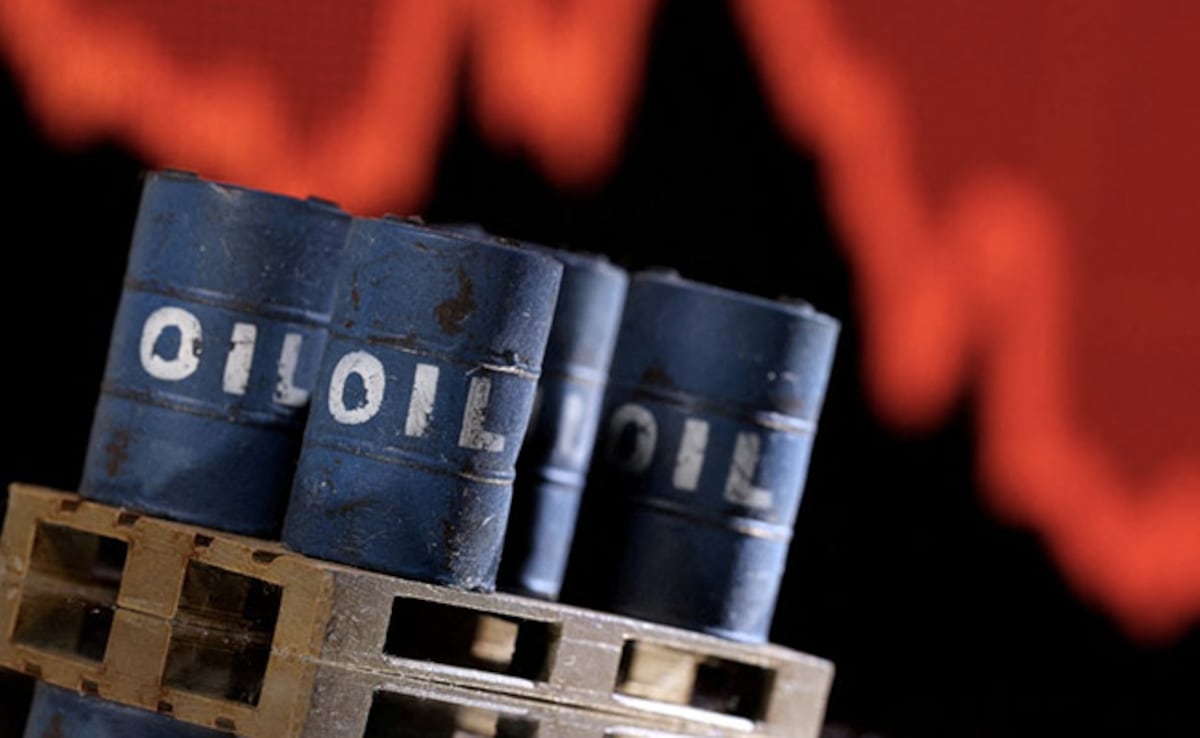
Imagine a single strand of silk stretching from the Persian Gulf to the ports of Busan. This thread carries nearly 70% of South Korea’s crude oil and a massive portion of its liquefied natural gas. It is the lifeblood of a nation that produces almost nothing in the way of its own energy.
Now, imagine a pair of scissors hovering over that thread.
The "Iran crisis" is those scissors. For Samsung Electronics and SK Group, the threat of a closed strait or a regional war isn't just about the price of gas at the pump. It is about the existential survival of a manufacturing machine that requires constant, staggering amounts of power. High-end chip fabrication is a glutton for energy. A single power dip—even for a millisecond—can ruin an entire batch of wafers worth millions of dollars.
To protect those wafers, these companies have issued an extraordinary plea to their employees: Stop driving.
It sounds almost quaint. How can a salaryman’s decision to take the subway instead of his Kia impact a global energy crisis? The answer lies in the aggregate. By slashing internal energy consumption across their massive campuses, these conglomerates are attempting to build a buffer. They are signaling to the government and the markets that they are in "emergency management mode." They are bracing for a world where the silk thread finally snaps.
The Human Cost of High Stakes
Consider Ji-hoon, a hypothetical lead engineer at SK Hynix. For a decade, his morning ritual has been a solitary forty-minute drive. It is his only time to think without the pressure of a looming deadline.
This week, he is standing on a crowded subway platform. He is rubbing shoulders with hundreds of others who received the same internal memo. The memo didn't just suggest carpooling or public transit; it framed it as a necessity for national economic security.
The weight of that responsibility is immense. Ji-hoon knows that if energy costs spike by 30% or 40% because of a blockade in the Middle East, the profit margins of his division will evaporate. If the power grid falters, his lab goes dark.
This is the invisible stake. We talk about "energy risks" as if they are weather patterns. We forget that these risks are carried on the backs of people who have to change how they live, how they commute, and how they work just to keep the gears turning. Samsung and SK are not just asking for a change in transportation; they are asking for a collective sacrifice to stave off a systemic collapse.
The Arithmetic of Anxiety
The numbers are cold. South Korea imports roughly 92% of its energy needs. During the last major oil shock, the nation’s GDP didn't just slow; it recoiled.
In the boardrooms of Suwon and Seoul, the spreadsheets are being rewritten. Executives are looking at "Level 3" and "Level 4" emergency protocols. These include:
- Mandatory carpooling for all staff.
- The shutdown of non-essential lighting and air conditioning in office towers.
- A shift toward graveyard hours for high-energy testing to balance the national grid.
- Potential halts on new construction projects to divert energy to existing fabrication lines.
They aren't doing this because they want to be green. They are doing this because they are terrified.
The tension in the Middle East behaves like a fever. One day it's a slow burn of diplomatic barbs; the next, it’s a spike of drone strikes and retaliatory threats. For a country like South Korea, which sits at the end of a very long and very vulnerable pipe, there is no such thing as a "local" conflict in the Gulf. Every explosion in Isfahan or Tel Aviv vibrates through the floorboards of a Samsung factory.
Why This Time Feels Different
In previous decades, an oil crisis meant higher prices. You paid more, but the oil still flowed.
Today, the world is different. We are in an era of "weaponized interdependence." Energy isn't just a commodity; it’s a leverage point. If Iran chooses to obstruct the Strait of Hormuz, they aren't just hurting their immediate enemies. They are cutting the power to the global digital economy.
Without the chips produced by Samsung and SK, the world stops. No new smartphones. No servers for the clouds we live in. No processors for the cars we (used to) drive.
The "urging" of employees to cut car use is a canary in the coal mine. It is the first visible crack in the facade of business-as-usual. It is an admission that the globalized world we built—one where a factory in East Asia can rely on a well in the Middle East—is far more fragile than we cared to admit.
The View from the Commute
Back on the subway, Ji-hoon watches the sunrise through the window of the train. He sees the rows of empty parking spaces at the tech park.
There is a strange, quiet solidarity in it.
The people on this train are the architects of the future, yet they are currently at the mercy of ancient animosities thousands of miles away. They are participants in a grand, desperate experiment: Can a modern industrial titan survive a world that is rapidly closing its borders and tightening its grip on resources?
The memo from management wasn't just about gas mileage. It was a wake-up call. It was a reminder that the sleek, glass-and-steel world of high technology is still built on a foundation of crude oil and precarious shipping lanes.
The lights in the Samsung offices are dimmer today. The hallways are a bit warmer as the HVAC systems are dialed back. The executive floors are quiet.
We often think of progress as a straight line upward. We assume that tomorrow will always be brighter and more powered than today. But as the sun rises over a Seoul skyline shaped by the absence of cars, it becomes clear that progress is a privilege, not a right. It is a house of cards held together by the hope that the silk thread doesn't break.
The employees at Samsung and SK aren't just taking the bus. They are holding the line. They are waiting to see if the world beyond their borders will allow them to keep building the future, or if they will be forced to learn how to live in a much darker, much smaller version of the present.
The commute home will be long. The trains will be packed. And as the city glimmers in the distance, every flickering light serves as a question.
How much of our lives are we willing to change to keep the machine running?