In the predawn silence of the Eastern Province, the air usually tastes of salt and dry heat. It is a quiet that costs billions of dollars to maintain. Thousands of miles of steel pipe, some of it wide enough for a man to stand inside, hum with a low-frequency vibration—the sound of 5 million barrels of crude oil rushing toward the Red Sea.
Then came the buzzing. It wasn't the sound of a desert insect. It was the high-pitched, mechanical whine of a drone engine, a sound that has replaced the whistle of a falling shell as the modern herald of disaster.
When the explosives detonated against Pumping Stations 8 and 9, the vibration in the East-West Pipeline didn’t just change pitch. It stuttered. For a moment, the global economy suffered a literal heart attack. We often talk about "market volatility" or "supply chain disruptions" as if they are weather patterns, distant and uncontrollable. We forget that these phrases are just polite ways of saying that someone, somewhere, just blew a hole in the straw through which the modern world drinks.
The immediate fallout was a number: 5 million barrels. That is the daily capacity of the Petroline, Saudi Arabia’s strategic bypass that allows oil to avoid the treacherous chokepoint of the Strait of Hormuz. When the drones struck, the Saudi energy minister had to make a choice that felt less like a business decision and more like a battlefield triage. They shut it down.
Imagine a control room technician named Ahmed. He isn't a CEO or a king. He is a man who watches a screen full of green lines. When those lines turn red, he feels it in his gut before he sees it in the data. He knows that if those pumps stay off, ships in the Mediterranean will wait. Refineries in New Jersey will recalibrate. The price of a gallon of gas in a suburb in Ohio will creep up by twelve cents while the driver is still asleep.
This isn't just about oil. This is about the terrifying fragility of the things we take for granted.
The East-West Pipeline exists because the world is afraid of a door being slammed shut. That door is the Strait of Hormuz, a narrow strip of water where a single sunken tanker or a few well-placed mines could paralyze global trade. The pipeline was the workaround—a 745-mile safety valve. By striking the valve, the attackers weren't just hitting a piece of infrastructure; they were attacking the very idea of security.
We live in an age where the distance between a remote desert outpost and your bank account has shrunk to zero. This strike was a demonstration of "asymmetric' reality." A group of rebels or a rogue state can spend a few thousand dollars on a hobbyist drone and some commercial explosives to threaten a system worth trillions. It is the ultimate leverage. It is a David and Goliath story where David has a GPS-guided payload and Goliath is a sprawling, unblinking network of steel that cannot hide.
Critics and analysts spent the morning debating the "geopolitical implications." They used words like "provocation" and "escalation." But if you look at the scorched earth around those pumping stations, the reality is much simpler. It is a message. The message says: You are not as safe as you think.
Consider the physics of the thing. Crude oil under pressure is an angry beast. When a pump station fails or is sabotaged, you cannot just flip a switch to fix it. You have to inspect every inch. You have to ensure the integrity of the heat-treated steel wasn't compromised by the thermal shock of the blast. While the engineers work, the oil sits.
While the oil sits, the world holds its breath.
The markets reacted with their usual frantic energy. Brent crude jumped. Speculators placed their bets. But for the people living in the shadow of the infrastructure, the anxiety is more visceral. Security forces flooded the region. Black smoke hung over the horizon, a dark smudge against the blinding blue of the Arabian sky. It served as a reminder that our entire civilization is built on a foundation of flammable liquid moved across hostile terrain by people we will never meet.
We have built a world of incredible complexity and efficiency, but we have forgotten to make it resilient. We have optimized for the "just-in-time" delivery of everything. We want our energy cheap and we want it now. But the cost of that efficiency is a loss of margin for error. When a drone hits a pump in the middle of a desert, there is no backup plan that doesn't involve pain.
The East-West Pipeline is a feat of engineering, a testament to human ambition. It crosses mountains and shifting dunes. It defies the geography of the Middle East to keep the lights on in London and Tokyo. But on that Tuesday, it was just a target.
The fire was eventually contained. The flow of oil was eventually restored. The news cycle moved on to the next crisis, the next tweet, the next scandal. But the scar on the pipeline remains. More importantly, the scar on our collective sense of stability has deepened.
We are addicted to the flow. We don't want to think about the pipes under the floorboards or the cables under the sea or the stations in the desert. We want the magic to just work. We want the car to start and the heater to kick in and the plastic to be manufactured and the world to keep spinning.
But the world doesn't spin on its own. It is pushed. And every once in a while, something reaches out of the dark to stop the pushing.
In the silence that followed the attacks, after the sirens stopped and the smoke cleared, there was a moment of profound clarity. The engineers looked at the twisted metal and the scorched earth and they didn't see a political statement. They saw a leak. They saw work. They saw the relentless, exhausting reality of trying to keep a fragile world running in a time of chaos.
The drones are still out there. The pipes are still there, humming in the heat. The green lines on the screens have returned, pulsing with the steady beat of 5 million barrels a day. But Ahmed, or whoever is sitting in that chair today, isn't just watching the lines anymore. He is listening for the buzz.
He knows that the distance between a normal Tuesday and a global catastrophe is exactly the width of a piece of shrapnel.
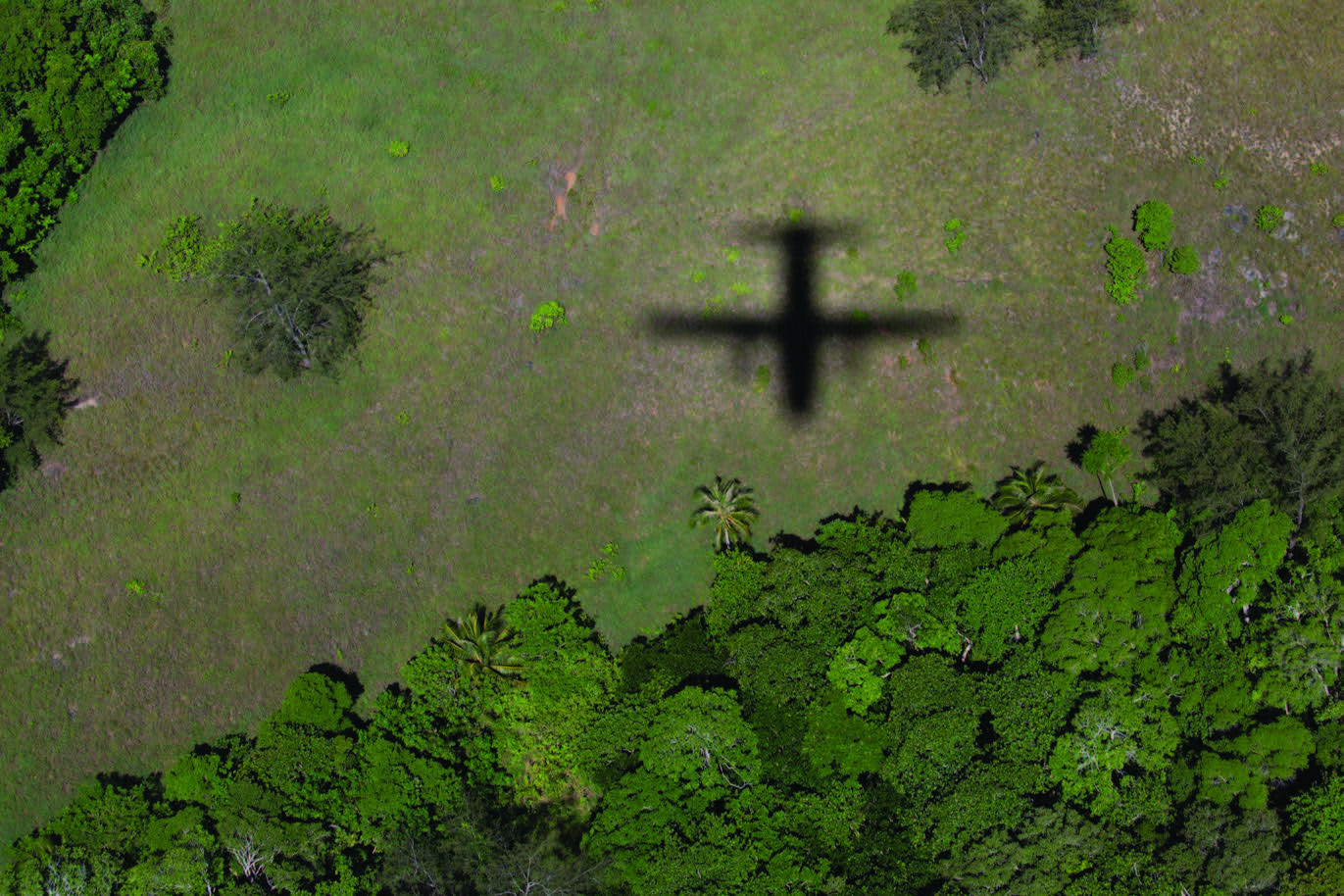
The world continues to drink through its long, thin straw, hoping that the next shadow over the desert is just a bird.