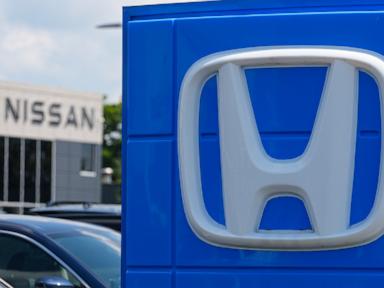
Traditional car manufacturing is dead. Today, building a competitive car has less to do with the engine under the hood and everything to do with the code running on the dashboard. That reality finally forced two historic rivals into an unexpected alliance. Nissan and Honda just signed a formal joint development agreement to build standardized electronic control units and a shared software architecture for vehicles hitting the market in fiscal 2029.
If you've followed the automotive industry over the last few years, this partnership comes as a shock. Just months after high-profile merger talks completely collapsed due to corporate governance friction, these two Japanese giants realized they couldn't afford to build next-generation car operating systems on their own. Software-defined vehicles require massive capital investment, and neither company wants to get left behind by fast-moving tech giants and Chinese EV makers.
What This Partnership Actually Changes
Instead of trying to merge corporate structures, Honda and Nissan kept things strictly operational. The agreement zeroes in on standardizing core electronic control units (ECUs), middleware, and in-vehicle operating systems.
Think of the electronic control unit as the brain of the car. Modern vehicles contain dozens of these units managing everything from window motors to advanced driver assistance systems. By pooling their engineering resources, Honda and Nissan can split the staggering development bills.
The target rollout for these jointly developed systems is 2029. That timeline gives both automakers a runway to catch up to competitors like Tesla or Chinese volume leaders who have spent years optimizing vehicle software architectures.
The Pressure From the Global Market
Why team up now? Financial pressure tells the whole story. Nissan is fighting to execute a major turnaround after volatile quarterly swings and slipping market share. Honda has faced its own share of turbulence, including painful adjustments in its electric vehicle strategy.
Meanwhile, traditional metrics like horsepower and transmission smoothness no longer guarantee sales. Consumers expect over-the-air updates, smartphone integration, and autonomous driving capabilities that improve long after the car leaves the lot. Developing those features independently drains billions of dollars from corporate balance sheets.
Gartner's digital automaker index highlights the urgency. Industry rankings consistently place traditional Japanese legacy brands behind U.S. and Chinese competitors when it comes to monetizing digital cockpit features and vehicle software. Sharing a foundational software layer is a survival tactic. It lets both brands pool their engineering heft while keeping their physical vehicle designs, exterior styling, and brand identities completely separate.
How Traditional Brands Fight Back
Legacy automakers face a steep uphill battle against software-first competitors. Building a car that functions like a smartphone requires a cultural shift that old-school manufacturing plants struggle to adopt.
- Splitting R&D costs: Joint development prevents redundant spending on invisible backend infrastructure.
- Standardizing hardware: Shared core ECUs streamline supply chains and lower component manufacturing costs.
- Integrating external tech: A common foundational platform makes it easier to plug in third-party advancements, whether working with artificial intelligence startups or autonomous driving vendors.
Car buyers won't see the impact of this agreement on showroom floors tomorrow. But by 2029, the digital architecture powering your next Honda or Nissan will share a common Japanese DNA. If this partnership succeeds, it proves that even bitter industry rivals must share the digital foundation if they want to survive the electric and software-driven era.