We love a winner. Society conditions us to obsess over gold medals, championship trophies, and undefeated streaks. If you aren't first, you're last.
That mindset is completely exhausting. It's also entirely wrong.
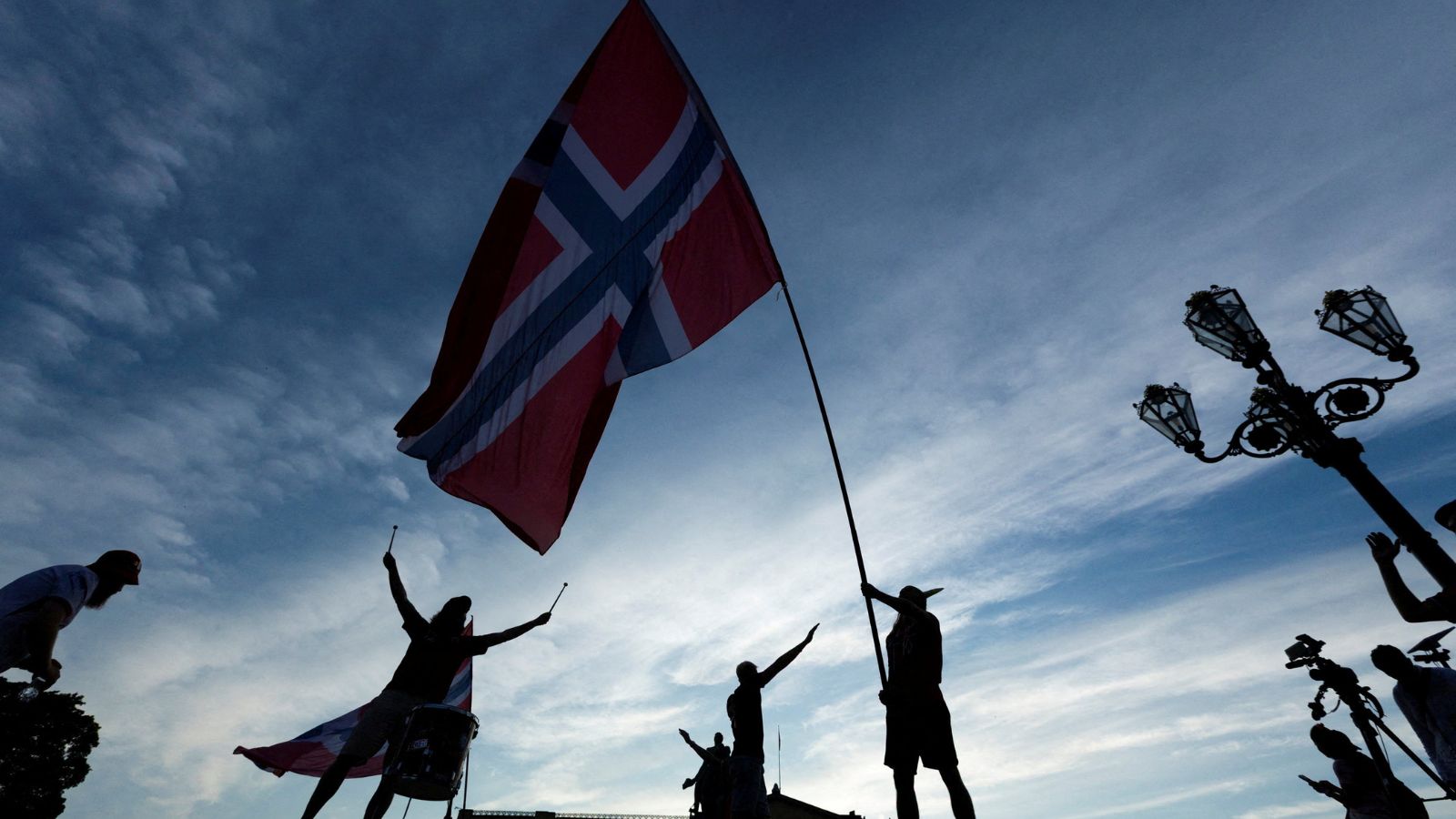
When Norway turns World Cup quarter-final loss into celebration, it drives traditional sports pundits crazy. They don't get it. They see a quarter-final exit as a failure, a brutal end to a dream, or a missed opportunity. But if you watch the thousands of fans who packed the arrivals terminal to give their team a thunderous heroes' welcome, you realize something else is happening. They aren't celebrating a defeat. They're celebrating a journey.
This isn't about participation trophies. It's about a deeply ingrained cultural philosophy that the rest of the sporting world desperately needs to copy.
The Toxic Myth of Win or Bust
Most sports cultures are deeply broken. Look at how fans in England, South America, or Italy react when their national teams crash out of a major tournament. The flight home is usually shrouded in shame. Players sneak through back exits at the airport to avoid angry mobs. The media spends weeks hunting for scapegoats.
Norway rejects that entire toxic loop.
Getting to the final eight of a global tournament is incredibly hard. Only eight teams on the planet get to say they made it that far. When the Norwegian squad bowed out, their fans didn't look at the scoreboard and see a definitive judgment on the team's worth. They saw months of sacrifice, thrilling group-stage victories, and a group of athletes who poured everything onto the pitch.
When you judge an entire tournament solely by the final match, you miss the point of sports. The fans cheering at the airport understood that a single bad bounce or a controversial refereeing decision shouldn't wipe out weeks of collective pride.
The Power of Idrettsglede
You can't understand Norwegian sports culture without understanding a word that doesn't translate perfectly into English. That word is idrettsglede. It basically means the pure joy of sport.
In Norway, youth sports are heavily regulated to protect this exact feeling. Children aren't allowed to keep official scores or standings until they turn 13. The focus stays entirely on social development, health, and having fun with friends.
- No elite travel teams at age eight.
- No screaming parents treating a weekend match like the Champions League final.
- No burning kids out before they even hit high school.
This foundational approach creates adults who view competition through a completely different lens. When these fans watch their senior national team play on the world stage, they don't look at the players as high-priced entertainment commodities. They see them as extensions of their own community. The connection isn't transactional. It's personal.
The Paradox of Less Pressure
Here is the funniest part about the whole situation. Hard-nosed critics think that by celebrating a quarter-final loss, Norway is accepting mediocrity. They think a team needs harsh criticism and intense, suffocating pressure to reach the top.
The data says otherwise.
Norway routinely punches far above its weight in global sports. They dominate the Winter Olympics. They produce generational talents in track, tennis, and football. This happens precisely because their athletes aren't terrified of failure.
When an athlete knows that their home country will still love them, respect them, and show up at the airport even if they drop a match in the quarter-finals, it removes a massive psychological burden. They can play free. They can take risks. Fear of failure paralyzes players; the security of unconditional support makes them dangerous.
How to Build a Healthier Fandom
You don't have to live in Oslo to adopt this mindset. We can all change how we interact with the teams we support, from local youth leagues right up to professional franchises.
Start by changing the conversation after a tough loss. Instead of analyzing every single mistake made under pressure, highlight the effort. Talk about the moments of brilliance that happened earlier in the tournament.
Stop checking social media comment sections immediately after a big defeat. Those spaces are designed to reward the loudest, angriest voices. They don't reflect real community or true appreciation for the game.
Show up when things go wrong. It's incredibly easy to be a fan when the team is lifting a trophy. True fandom shows itself in the moments right after the whistle blows on a heartbreaking loss. That's when athletes actually need the support.
Next time your favorite team falls short of the podium, don't throw away your jersey or curse the coach. Take a page out of the Norwegian playbook. Gather your friends, wear your colors proudly, and celebrate the fact that you got to go on the ride in the first place.