Concrete doesn't grow food. Yet, across Washington State, thousands of acres of fertile soil vanish beneath asphalt and housing subdivisions every single decade. While population booms grab headlines, a quieter erosion happens on rural roads. Once a farm turns into a strip mall, it never goes back.
That grim reality is what makes recent preservation efforts in Snohomish County stand out. Brian and Connie Foster spent decades working the soil in the Stillaguamish Valley along State Route 530 NE. Their property served as a dairy operation, a hay producer, and an agritourism destination over a span exceeding seventy years. Instead of cashing out to developers eyeing the booming Snohomish housing market, the family made a permanent choice. Nearly forty acres of their land are now locked into agricultural use forever.
The family still owns the acreage. They still farm it. But the development rights are gone permanently. This deal highlights a growing movement across the Pacific Northwest to shield working lands from irreversible conversion.
The Reality of Disappearing Washington Farmland
Washington agriculture spans millions of acres and produces hundreds of distinct commodities, yet producers face brutal economic pressures. State reports show that Washington has lost roughly ten percent of its total farmland over recent decades. Urban expansion around Pierce, Snohomish, and Spokane counties eats up rural acreage at an alarming pace.
Farmers face high operational costs, thin profit margins, and generational handoff friction. When an aging operator reaches retirement age without a successor eager to take over, selling to commercial developers often looks like the only financially viable exit strategy. Real estate checks offer immediate millions, while farming offers endless uncertainty, volatile weather, and razor-thin margins.
When prime agricultural soil gets paved over for industrial parks or residential tracts, the region loses more than just crops. It loses local food security, wildlife corridors, and rural character. The loss is permanent. Soil that took thousands of years to form gets buried under concrete in a single afternoon.
How Agricultural Conservation Easements Actually Work
Many people misunderstand how farmland preservation programs function. Critics often assume the government or nonprofit land trusts seize private property or dictate what crops a farmer can grow. That is entirely false.
Programs managed by organizations like Forterra, local county offices, and land trusts rely on voluntary conservation easements. A landowner applies to participate. Independent appraisers evaluate the property value. If accepted, the landowner receives a substantial financial payout in exchange for permanently extinguishing the right to develop the property.
The title remains with the family. The daily operations stay under the farmer's control. The only thing that disappears is the option to subdivide the dirt into residential lots.
For the Foster family, this setup solved a major dilemma. They secured financial equity from their land without having to sell it off to outsiders. The soil stays productive. The family keeps their home and their livelihood. Future generations can step in and farm the exact same ground without worrying about suburban encroachment.
More Than Just Dirt and Crops
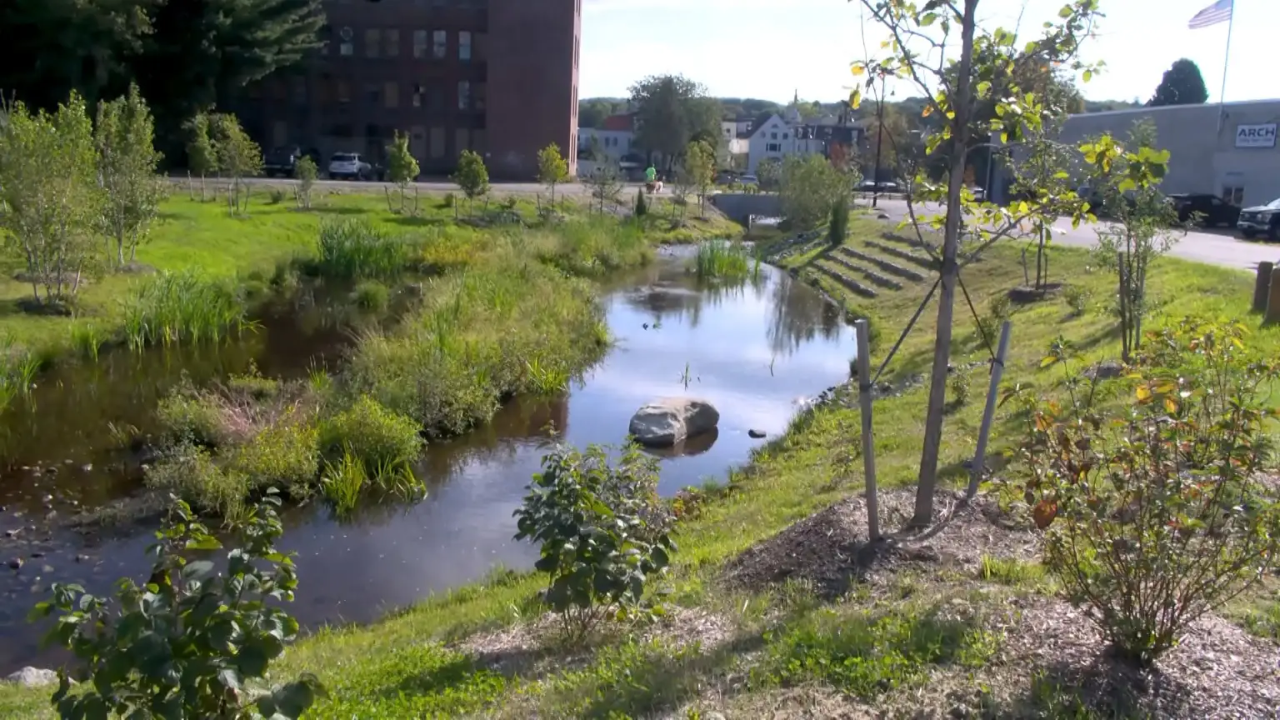
The nearly forty acres preserved in the Stillaguamish Valley carry ecological significance that extends far beyond agricultural yields. The parcels sit directly adjacent to the Portage Creek Wildlife Area. They also fall within a designated Flood Hazard Zone critical area.
Preserving open farmland in a floodplain serves a vital hydrological function. Unlike impermeable pavement, open agricultural soil absorbs heavy seasonal rains, slowing runoff and reducing downstream flood risks for neighboring communities. It creates a natural buffer zone that protects local watersheds and maintains critical habitat for migrating birds and native wildlife.
When conservation groups and local tribes partner to protect these parcels, they are managing regional water systems and wildlife corridors simultaneously. Keeping a farm active in a sensitive river valley achieves environmental goals that zoning laws alone often fail to secure.
Overcoming Common Misconceptions About Preservation
Land preservation often triggers skepticism. Let's clear up some common myths floating around rural communities.
Some assume that preserved farms drop in resale value because of the development restrictions attached to the title. Market data from recent years shows the opposite trend. In many rural counties, preserved farms command prices comparable to unrestricted parcels because buyers recognize the stability and tax benefits involved.
Another misconception is that conservation easements freeze innovation. People think a preserved farm must remain stuck in time, unable to adopt new technology or diversify operations. In reality, farmers retain total freedom to upgrade equipment, transition to organic methods, or launch agritourism ventures like the Fosters did. The easement only restricts non-agricultural development.
Others worry that these programs create government oversight into daily chores. County administrators don't tell farmers when to harvest hay or how to milk cows. The agreement is strictly about land use longevity, not micro-management.
The Broader Movement Across the Pacific Northwest
The Stillaguamish Valley project is part of a statewide wave of agricultural protection. Counties and land trusts across Washington race against time to lock in remaining acreage before development pressures become insurmountable.
In neighboring Pierce County, conservation groups recently secured permanent protections for acreage at historic dairy operations. Skagit County similarly invests millions into purchasing development rights on prime valley floors.
These localized victories matter because regional food systems rely on proximity. Hauling fresh produce short distances from valley farms to urban grocery stores and farmers markets reduces carbon footprints and insulates communities against supply chain disruptions. When local farms vanish, cities become entirely dependent on distant, fragile supply chains.
Practical Steps to Support Local Farmland Preservation
If you care about local food security and rural heritage, you don't have to sit on the sidelines. Actionable steps exist for citizens, landowners, and community advocates alike.
Support local producers directly by buying from farmers markets, farm stands, and community-supported agriculture programs. Direct revenue helps independent operators survive lean years without feeling forced into selling their acreage.
If you own rural property and want to explore conservation options, reach out to regional land trusts or county agricultural advisory boards. Learn how conservation easements work and whether your land qualifies for programs that offer financial compensation while protecting your family estate from future subdivision.
Advocate for sensible county planning and zoning policies that prioritize rural resource lands over sprawling suburban expansion. Attend local council meetings and voice support for agricultural zoning buffers.
Protecting the ground that feeds us requires deliberate choices. When families like the Fosters choose longevity over quick development cash, they secure a working legacy for the entire region. The dirt beneath our feet is finite. Once it's gone, it's gone for good.