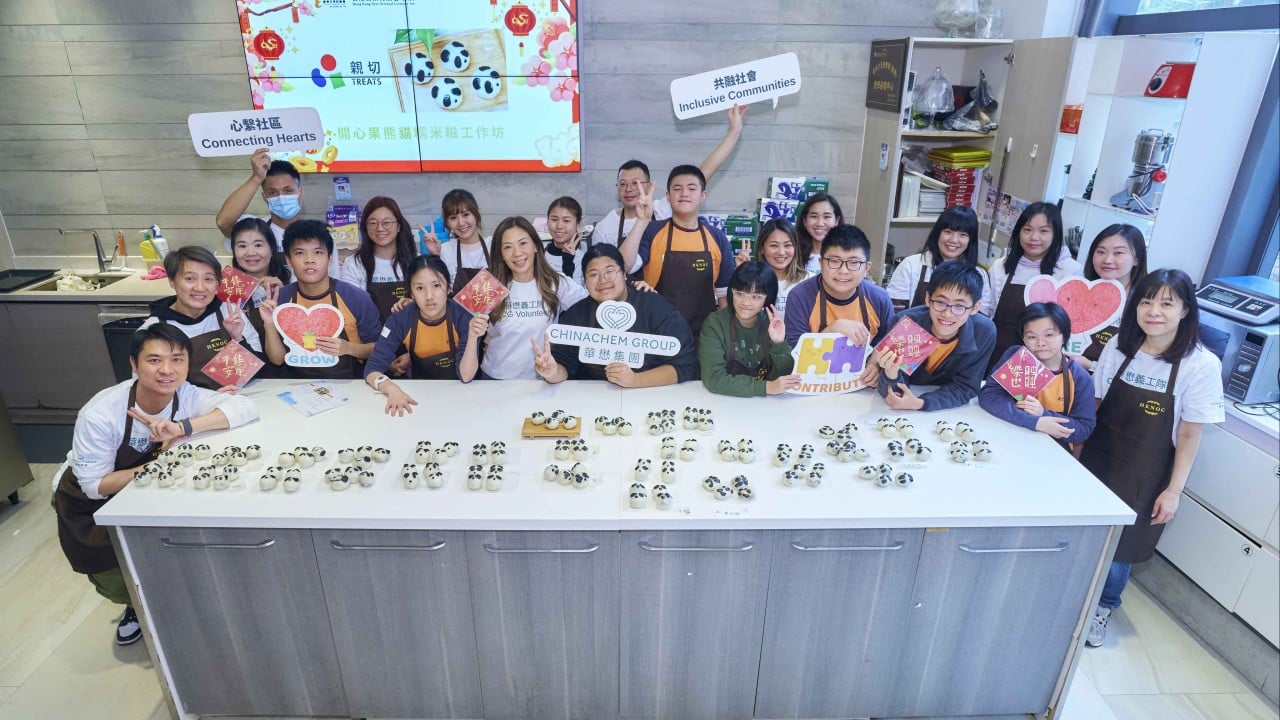
Making mochi isn't just about sticky rice and sweet fillings. For a group of children in Hong Kong, it's about finding a place where they actually belong. Operation Santa Claus (OSC) recently organized a session that proved how simple traditions can bridge huge gaps in our community. Most people think of charity as just handing over a check. They're wrong. Real impact happens when you put kids from different backgrounds in a room and give them a common goal, even if that goal is just shaping a perfect ball of dough.
This wasn't your typical high-society gala. It was messy. It was loud. It was exactly what Hong Kong needs more of. By focusing on inclusion through hands-on activities, OSC and its partners are tackling the social isolation that often hits children from marginalized groups the hardest.
The Magic of Getting Your Hands Dirty
There’s something uniquely therapeutic about the tactile nature of mochi. You can’t overthink it. You just have to feel the texture. For children who might struggle with language barriers or physical disabilities, this kind of sensory play is a massive equalizer. It removes the pressure of "saying the right thing" and replaces it with "doing the right thing" together.
During the event, you could see the shift in energy. At first, kids were hesitant. They stayed in their own bubbles. But as the flour started flying and the sticky rice got stubborn, the walls came down. They started helping each other. One child would hold the tray while another dusted the mochi. It was organic. It wasn't forced by a script or a teacher's lecture.
That’s the secret sauce of Operation Santa Claus. They've been doing this since 1988, and they've learned that the best way to help a child is to let them be a child alongside their peers.
Breaking Down the Barriers of Inclusion
Inclusion is a word that gets tossed around a lot in corporate boardrooms, but it rarely looks like this in practice. In Hong Kong, the divide between different social groups can feel like a canyon. Children with special educational needs (SEN) or those from ethnic minority backgrounds often grow up in silos.
When you bring them together for a workshop like this, you’re not just teaching them how to cook. You’re teaching them that their neighbor isn't "the other." They're just another kid who likes sweets and probably gets as much powder on their shirt as everyone else.
The facilitators from the participating NGOs didn't just stand back. They got involved, showing that mentorship is about being in the trenches. This hands-on approach builds trust much faster than any formal classroom setting ever could. It’s about creating a shared memory. Long after the mochi is eaten, those kids will remember the afternoon they spent laughing with someone they might have been afraid to talk to before.
Why Local Traditions Drive Social Change
Using a traditional snack like mochi was a brilliant move. It’s culturally relevant, but it’s also accessible. You don't need expensive equipment. You just need patience and a bit of technique. In a city as fast-paced as ours, taking two hours to slow down and focus on a craft is a radical act.
It also connects these kids to the broader story of Hong Kong. By participating in a local tradition, they feel like they own a piece of the city's identity. This is particularly vital for kids who might feel like outsiders. It says: "This culture is yours, too."
Small Actions Create Large Ripples
Don't underestimate the power of a single afternoon. Critics might say a cooking class won't fix systemic inequality. They’re partially right—it won't fix everything overnight. But it starts a conversation. It changes the mindset of the volunteers, the parents, and the children.
When a major brand or a charity like OSC puts its weight behind these "small" events, it sends a signal to the rest of the city. It says that inclusion is a priority. It encourages other organizations to look at their own resources and ask how they can open their doors.
We often wait for massive policy changes to improve lives. Sometimes, the most effective thing you can do is clear off a table, buy some glutinous rice flour, and invite people in.
How to Get Involved Beyond the Holidays
The biggest mistake people make is thinking Operation Santa Claus only matters in December. While the name suggests a seasonal focus, the funding and the partnerships provide year-round support for dozens of charities across Hong Kong.
If you want to move beyond just reading about these stories, here’s what actually works:
- Look at the Beneficiary List: Every year, OSC publishes a list of the specific projects they’re funding. Pick one that resonates with you. Whether it’s mental health, disability support, or elderly care, find a cause you actually care about.
- Don't Just Give Money: If you have a skill—whether it’s baking, coding, or even just being great at organizing—reach out to the smaller NGOs. They are often desperate for talent, not just cash.
- Show Up in Your Neighborhood: Inclusion starts on your street. Say hello to the family that looks different from yours. Support the community centers in your district.
The mochi-making event was a success because people showed up. They didn't just send a donation; they gave their time and their presence. That is the only way Hong Kong becomes a truly inclusive city. Start by finding a local charity through the OSC portal and see which upcoming workshops need an extra pair of hands. Most of these groups are running projects right now that could use your specific background. Don't wait for next December to make a move.