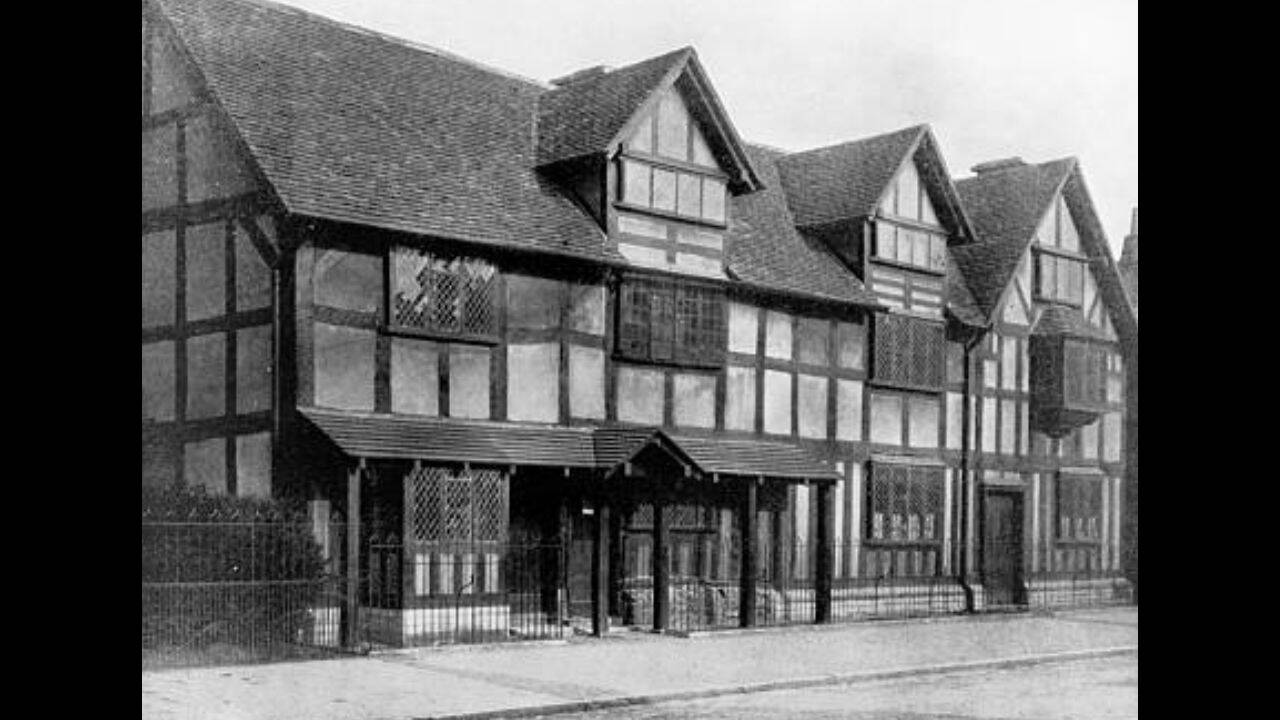
P.T. Barnum wanted to pack up the house where William Shakespeare was born, load it onto a ship, and reassemble it in America as a carnival sideshow.
It sounds like a joke. It isn't. In the mid-nineteenth century, the world's most famous showman hatched a serious plan to buy the Stratford-upon-Avon property timber by timber, haul it across the Atlantic Ocean, and charge American tourists twenty-five cents a ticket to gawk at it.
You read that right. America nearly owned the most sacred literary shrine in England.
The State of Stratford Before the Rescue
If you visit Stratford-upon-Avon today, Henley Street looks pristine. Millions of travelers walk through the half-timbered rooms every year, snapping photos and reading plaques.
Back in the 1840s, things looked very different. The property had fallen into deep disrepair. Following the death of Shakespeare’s last direct descendant, the estate passed through various hands before being split into multiple lots. By 1847, the historic birthplace operated as a humble butcher shop, while the adjacent building functioned as the Swan and Maidenhead Inn.
Visitors hacked their names into the walls. Souvenir hunters chipped away at the wooden beams. Nobody treated the place like a national monument because the modern concept of historic preservation barely existed.
Enter the greatest promoter of the Victorian era.
The Barnum Proposal
P.T. Barnum smelled opportunity. He understood the massive, surging American obsession with British culture. He also knew that owning the actual physical birthplace of the Bard would print money.
Barnum dispatched agents to England. They approached the owners with a lucrative offer, aiming to purchase the building outright. The plan was terrifyingly simple: dismantle the sixteenth-century structure piece by piece, box it up, ship it to New York, and rebuild it as a permanent exhibition.
Barnum wanted to turn Stratford's loss into his own personal goldmine. He wasn't malicious, exactly. He was just a capitalist operating without guardrails. To him, old wood was just raw material waiting for a paying audience.
The British Wake-Up Call
News of the impending sale leaked to the public. Panic followed.
Intellectuals, writers, and preservationists realized they were about to lose a irreplaceable piece of cultural heritage. Charles Dickens stepped up. A coalition of prominent writers, actors, and public figures formed the Shakespeare Birthplace Committee. They launched a frantic fundraising campaign to buy the property back before Barnum's agents could finalize the deal.
The asking price was steep. The owners demanded three thousand pounds.
That amount equaled roughly four hundred thousand dollars in modern value, but the real purchasing power at the time made it a fortune. Ordinary citizens donated small sums. Queen Victoria contributed. Dickens and his theatrical troupe put on benefit performances to plug the financial gap.
They raised the cash just in time. The committee handed over the three thousand pounds, thwarting the American showman and securing the property for the public trust.
What Most People Get Wrong About the Rescue
Most history books frame this event as a straightforward victory for British nationalism. It is usually told as a cute anecdote about a cheeky American showman getting outmaneuvered by proper gentlemen.
That version misses the sheer chaos of the situation.
The committee didn't just buy a house; they bought a ruin surrounded by industrializing clutter. The butcher shop had altered the interior layout. Outbuildings had been tacked on haphazardly. The committee had to hire architects to peel back centuries of ugly modifications to restore the building to something resembling its sixteenth-century appearance.
They basically invented modern historic preservation on the fly. Before 1847, historic houses weren't routinely bought by the public to be kept as pristine museums. Barnum forced their hand. If he hadn't tried to steal the building, the British government and cultural elite might have let the whole thing crumble into dust naturally.
Visiting the Site Today
When you stand inside the low-ceilinged rooms on Henley Street, you are standing in a salvaged space. The wooden floors bear the scars of millions of footsteps. The glass panes in the windows still hold graffiti scratched by nineteenth-century visitors who got there before the docents stopped them.
You can trace the ghosts of the rescue effort in every room. Every timber stays in place because a group of nineteenth-century writers panicked and emptied their pockets.
P.T. Barnum didn't get his prize. He went back to promoting humbugs, thumb-sized generals, and circus acts, leaving Stratford to the purists.
Take a trip to Warwickshire if you want to see what three thousand pounds bought. Walk through the garden where they grow every plant mentioned in the plays. Look at the documents behind glass in the visitor center.
Remember that it was almost all loaded onto a barge.
,webp/023/183/427/v2/2560x1440.234.webp)