The sky over Kabul turned a violent orange at 9:00 PM on Monday, March 16, 2026. Within minutes, the Omid drug rehabilitation center—a 2,000-bed facility meant for the city's most vulnerable—was a pile of burning concrete. The Taliban says 400 people are dead. Pakistan says they only hit "military installations" and "ammunition depots."
If the 400-person death toll is even remotely accurate, we're looking at the single bloodiest event in a conflict that's been spiraling out of control since February. This isn't just a border skirmish anymore. It’s an open war between two neighbors who can’t agree on who’s a terrorist and who’s a victim.
The Night the Omid Hospital Burned
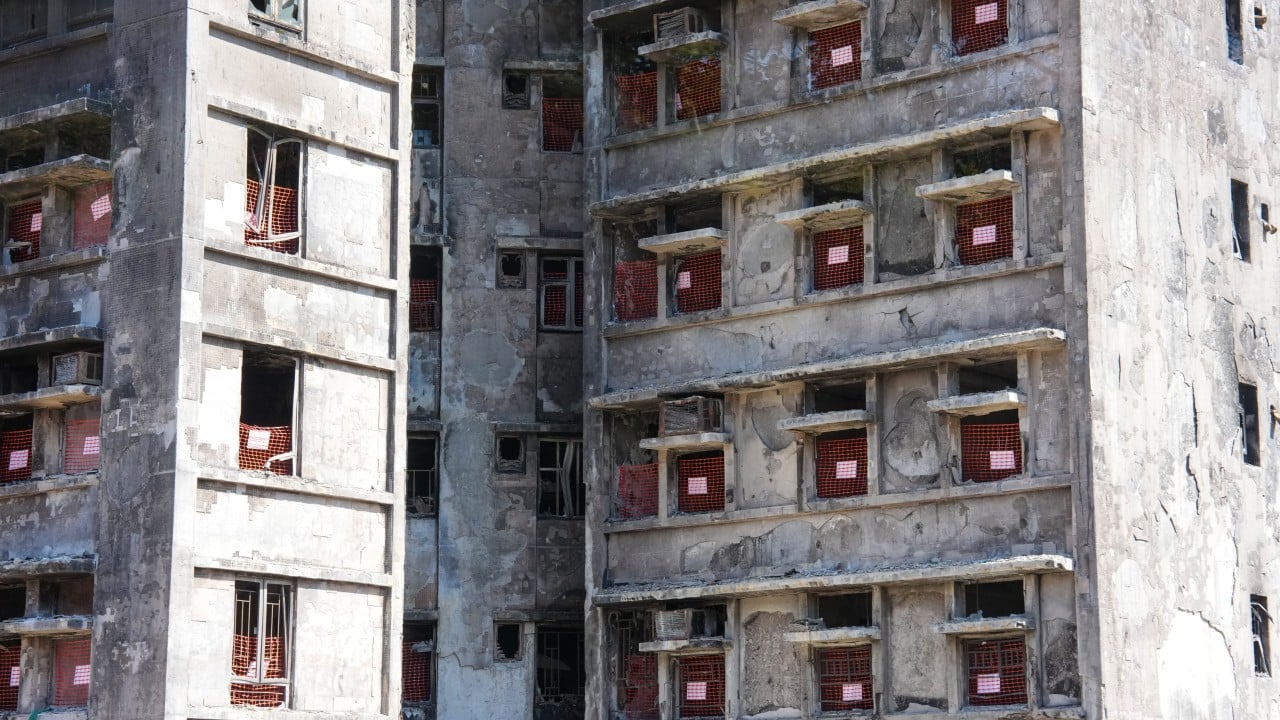
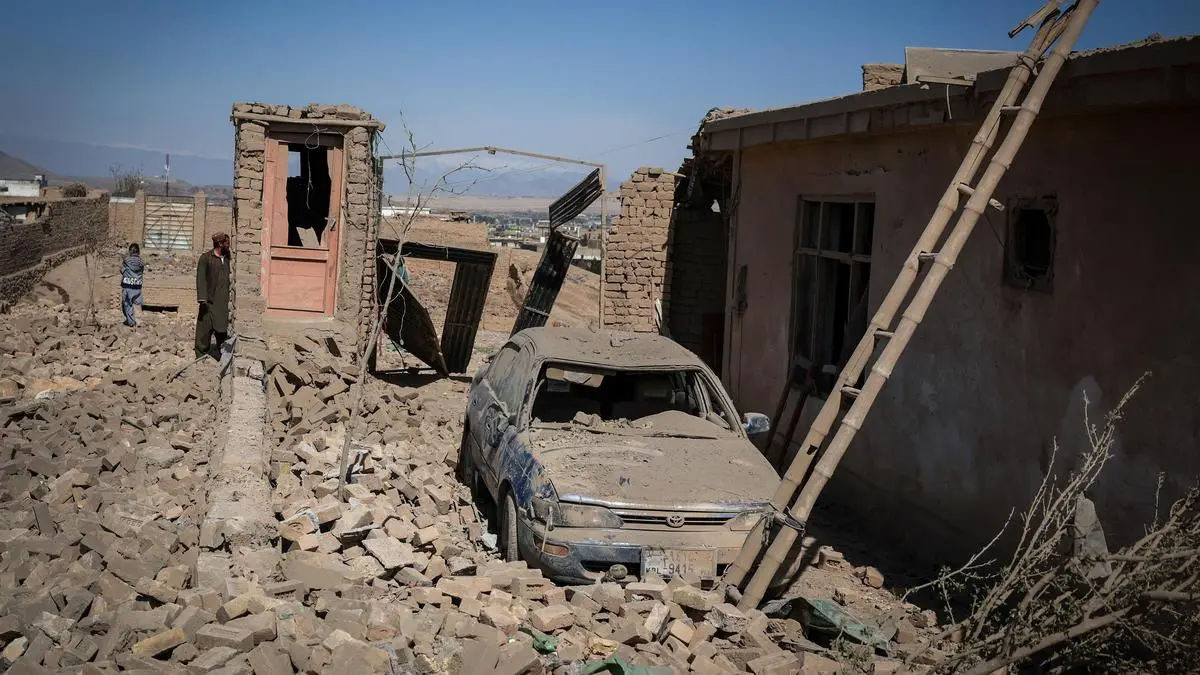
Taliban officials didn't hold back on the details. Hamdullah Fitrat, the deputy government spokesman, posted on X that the strike leveled large parts of the hospital, leaving rescue teams to dig through rubble with flashlights. Videos from the scene show firefighters struggling against massive secondary blazes.
The Taliban's narrative is clear: Pakistan targeted a civilian health facility filled with addicts undergoing treatment. They’ve labeled it a "crime against humanity." But there’s a massive gap between the two sides. Pakistan’s Ministry of Information claims the site was actually being used to store technical equipment and ammunition for the Pakistani Taliban (TTP).
What We Know About the Strike
- Time: Approximately 9:00 PM local time, March 16.
- Location: Police District 9, Kabul.
- Casualties: 400 dead, 250 injured (per Taliban); Pakistan claims zero collateral damage.
- Operation Name: Pakistan reportedly dubbed this "Operation Ghazab lil-Haq" (Wrath for the Truth).
Why Is Pakistan Bombing Kabul
You can't understand this strike without looking at the last three weeks. Since late February 2026, Pakistan has been on a war footing. Islamabad is fed up. They’ve seen a wave of suicide bombings—including a devastating attack on an Islamabad mosque in February—that they blame on the TTP operating out of Afghan safe havens.
Pakistan’s Information Minister, Attaullah Tarar, argues that these strikes are "intelligence-based" and "selective." From their perspective, the Taliban is playing a double game: claiming they don't host terrorists while allowing the TTP to plan massacres from Kabul and Nangarhar.
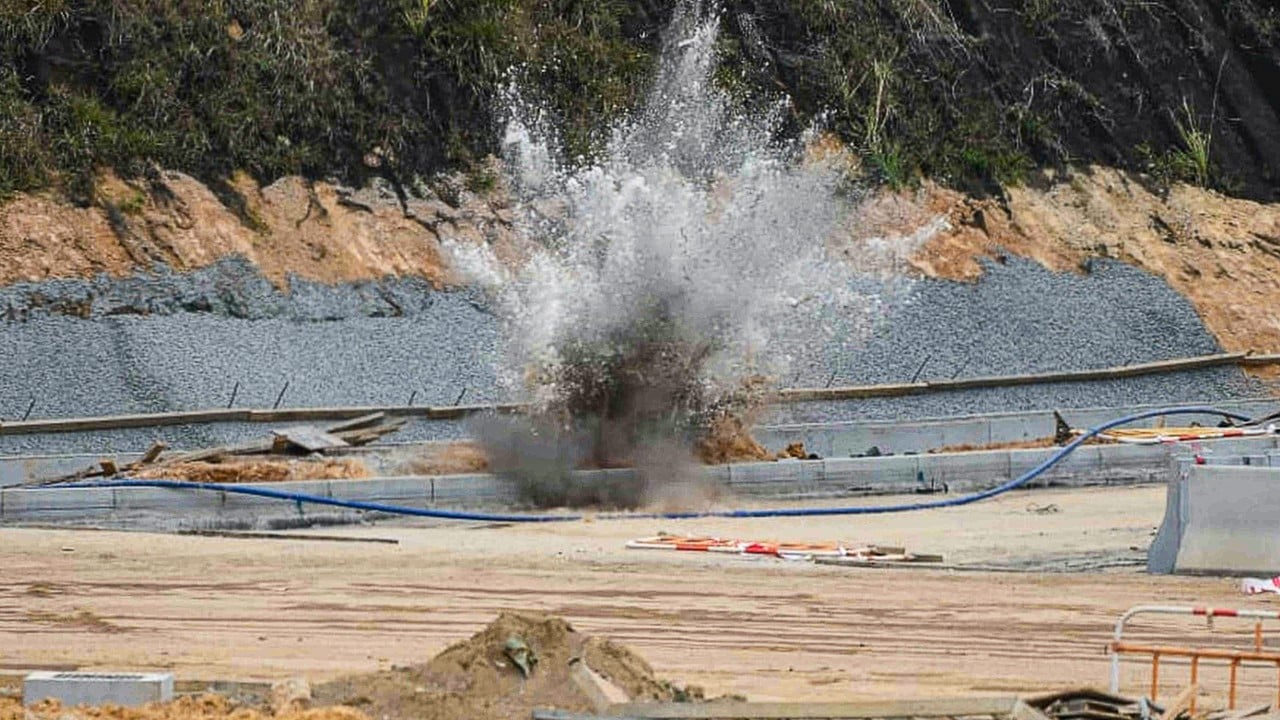
The tragedy here is the "secondary detonations." Pakistan claims that when they hit these targets, the buildings blew up again and again because of the ammo stored inside. The Taliban says that’s a lie to cover up the slaughter of patients. Honestly, in a war zone this chaotic, the truth is usually buried under the same rubble as the victims.
A Region on the Brink of Total War
This isn't just about one hospital. The entire border is on fire. In the hours leading up to the Kabul strike, both sides were already trading heavy artillery fire along the Durand Line. That exchange alone killed four people in Afghanistan.
We’re seeing a massive humanitarian fallout. Over 115,000 people have been displaced. Trade has dried up. The Torkham and Chaman crossings—the lifeblood of the regional economy—are closing and opening like a flickering lightbulb. Pakistan’s exports to Afghanistan have plummeted by over 50%. It’s a lose-lose situation that’s destroying the livelihoods of millions of regular people who don't care about geopolitics.
The India Factor
There’s a deeper strategic anxiety in Islamabad. By launching these strikes, Pakistan is using the same "pre-emptive strike" logic that India used against them in 2019 and 2025. It’s a dangerous precedent. If Pakistan justifies hitting Kabul today to stop the TTP, they lose the moral high ground the next time New Delhi decides to strike inside Pakistan.
What Happens Next
The UN Security Council recently called on the Taliban to step up their counter-terrorism efforts. That hasn't happened. Instead, the Taliban is reportedly pressuring civilians to join anti-Pakistan protests and even forcing former soldiers back into service.
If you're following this, watch the border crossings. If Torkham stays closed for more than a week, expect food prices in Kabul to skyrocket and the Taliban to retaliate with even more cross-border shelling. This is no longer a "contained" security issue. It’s a full-scale regional crisis that could redraw the maps of South Asia.
How to stay informed:
- Monitor UNAMA reports: The United Nations Assistance Mission in Afghanistan is the only semi-neutral body tracking civilian deaths right now.
- Watch the Durand Line: Clashes in Nangarhar and Paktika provinces are the primary indicators of whether a ground invasion is coming next.
- Check trade data: If the Chaman crossing remains blocked, the economic pressure on the Taliban might force a diplomatic opening—or a desperate escalation.
The situation is fluid, and both sides are winning the propaganda war on social media while losing the actual war on the ground. Don't expect the death toll to stop at 400.