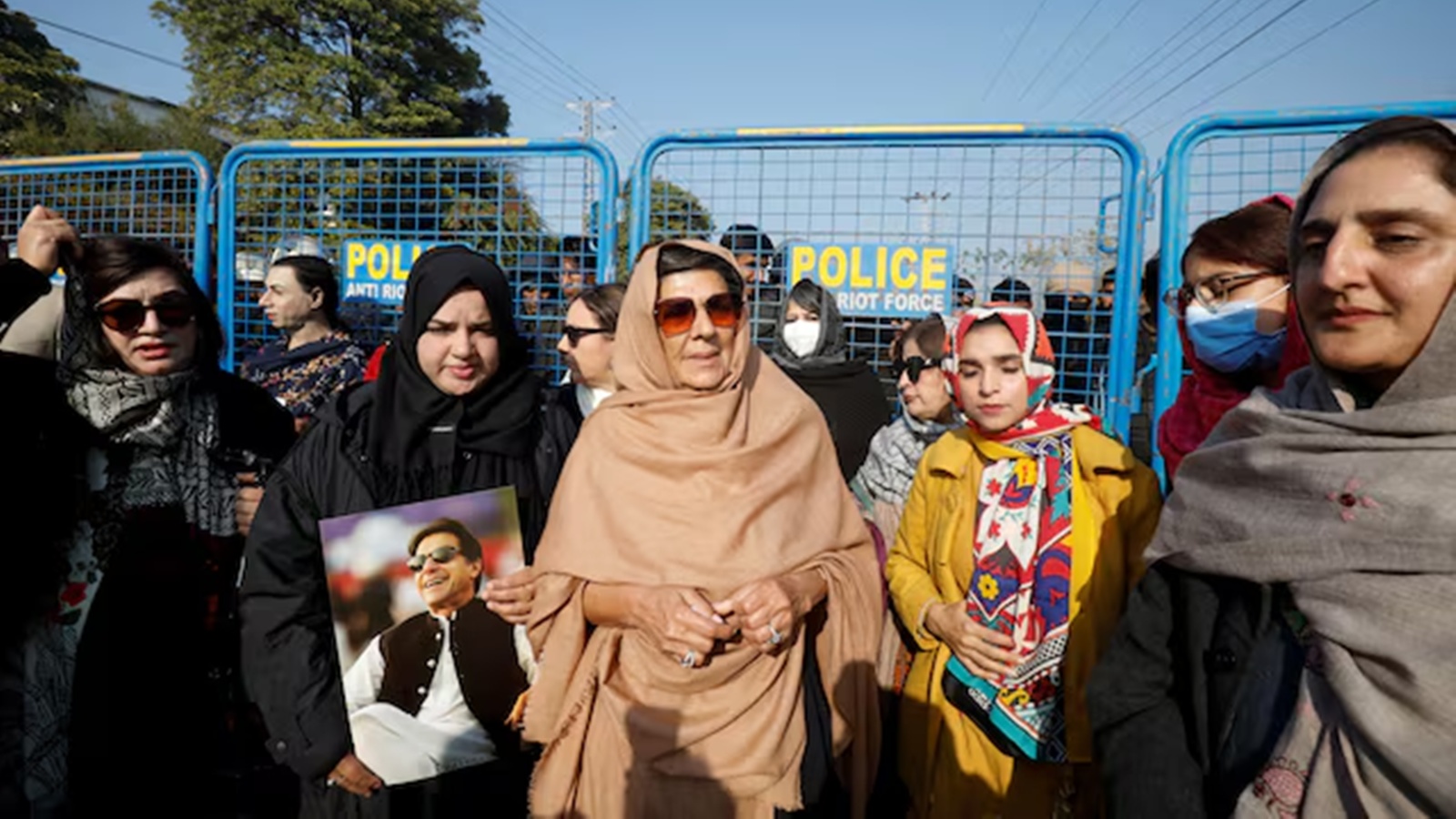
When state authorities decide that locking up a politician's relatives is a smart move to stop a protest, history usually proves them wrong. Pakistan's ongoing political saga hit a predictable yet tense new low when high-profile arrests targeted the inner circle of jailed former Prime Minister Imran Khan.
Instead of snuffing out public dissent, these pre-emptive detentions poured gasoline on an already burning fire. Let's look at what actually happened, why the strategy failed, and what it means for the country's fragile political stability.
The Crackdown Before the Storm
The showdown began heating up as the Pakistan Tehreek-e-Insaf (PTI) party prepared for a massive mobilization push toward Islamabad. The government panicked. Rather than allowing lawful political assembly, security agencies launched a sweeping preventive crackdown.
Aleema Khan was detained in Lahore on a Sunday, while her sisters Uzma Khan and Noreen Niazi were swept up in predawn home raids shortly after. Authorities leaned heavily on the Maintenance of Public Order (MPO) ordinances, locking individuals away for weeks without formal charges or immediate trials.
Targeting family members who have become vocal political proxies is a high-risk gamble. When incarcerated leaders lack a physical voice on the outside, their relatives often step into the vacuum. By throwing Khan's sisters into jail, the state inadvertently amplified their platform, drawing fierce domestic and international condemnation, including sharp rebukes from human rights groups like Amnesty International.
Why the State's Playbook Keeps Failing
Pakistan's establishment relies on an old script. Whenever pressure mounts from street protests or economic anxiety, the response is simple: arrest organizers, block major highways, cut mobile networks, and criminalize dissent.
It doesn't work anymore.
Decades of political engineering have left the public deeply cynical. When citizens see septuagenarian family members and female relatives hauled off in midnight raids, sympathy shifts instantly. The optics are terrible. It projects weakness, not strength. An administration confident in its mandate doesn't need to lock up a politician's family to stop a march.
Furthermore, these heavy-handed tactics fail to address the core grievances driving the protests. Rampant inflation, economic instability, and widespread anger over judicial and political maneuvering cannot be tear-gassed away. Every time the state tightens the screws, PTI's base hardens its resolve.
The Reality Behind the Revolving Door
The limits of this containment strategy became clear when courts and shifting political pressures forced a retreat. After weeks of detention under Section 3 of the MPO, sisters like Uzma and Noreen were released after detention orders were withdrawn.
The abrupt releases triggered a predictable wave of speculation. Rumors immediately flooded Islamabad about backroom deals between the party and the military establishment, especially amid reports regarding Khan's medical checkups. Government ministers scrambled to deny any grand bargain, insisting that any relief came strictly through regular legal channels.
Yet, the revolving-door nature of these arrests exposes the erratic nature of the government's approach. Holding relatives for over fifty days without trial only to let them walk free later exposes a lack of coherent strategy. It alienates the legal community, frustrates international observers, and leaves the political temperature just as hot as it was before the raids.
What Comes Next
The cycle of confrontation in Pakistan is locked on repeat until both sides recognize the limits of absolute coercion. Imran Khan remains a potent political force from behind bars, and silencing his family has proven impossible.
If the administration wants genuine stability, the answer isn't another round of midnight raids or arbitrary detentions. Real political de-escalation requires transparent legal proceedings, lifting restrictions on assembly, and accepting that political opposition cannot be legislated or policed out of existence. Until that shifts, the country remains braced for the next inevitable flashpoint.