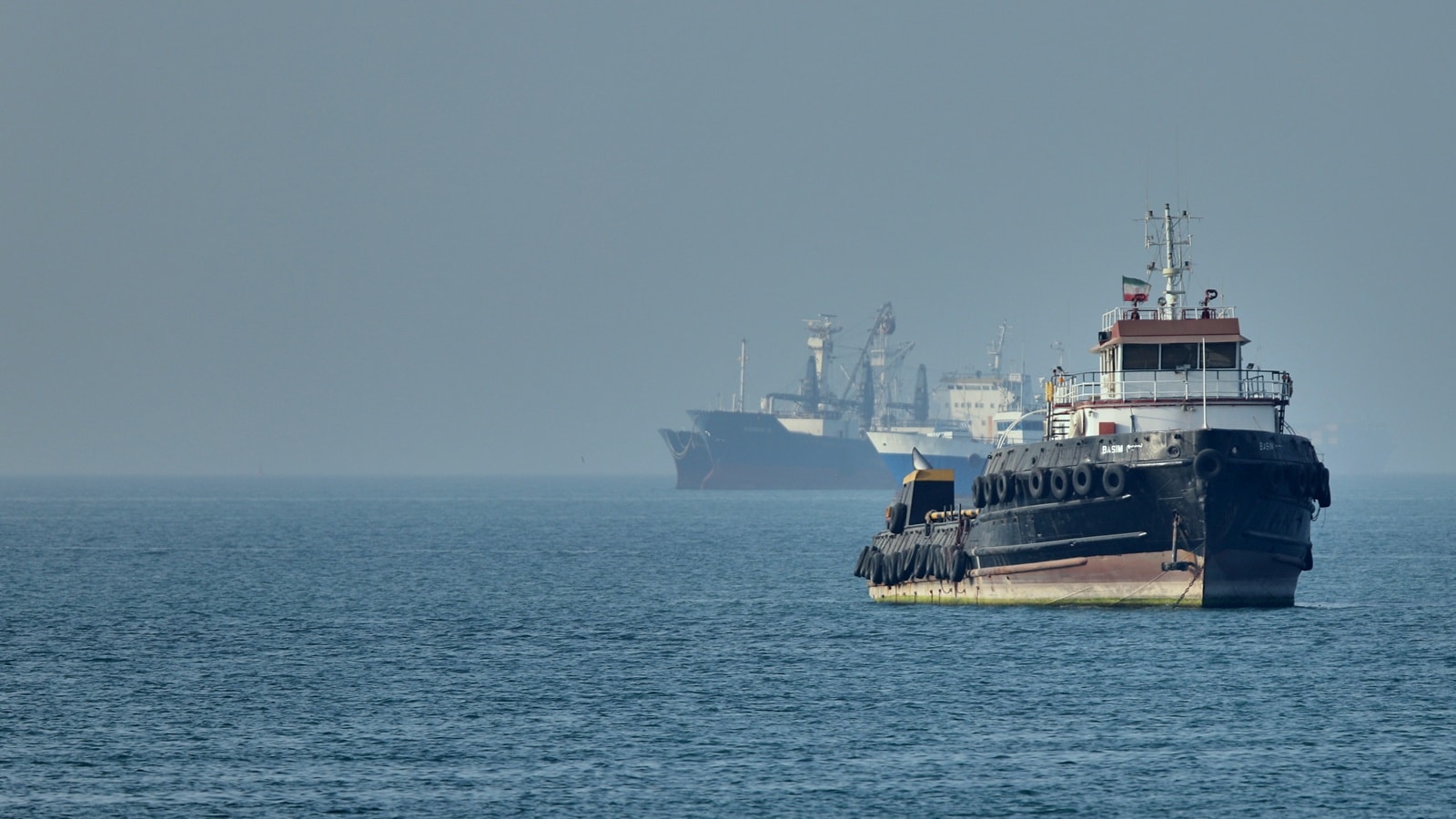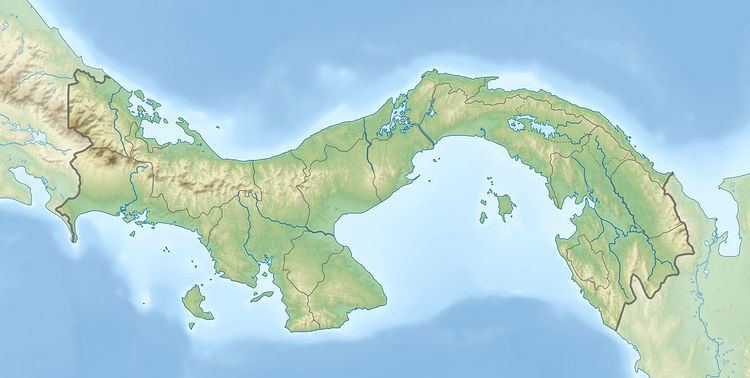
The global logistics map is being redrawn by fire. While conflict in the Middle East has historically signaled disaster for global trade, the Panama Canal is currently witnessing an unexpected financial windfall, with revenues climbing by nearly 15% as a direct consequence of regional instability. This surge is not a matter of luck. It is the result of a massive, forced migration of maritime traffic fleeing the high-risk zones of the Red Sea and the Suez Canal. When the Suez becomes a liability, the world’s shipping giants look for the only other shortcut available, even if it means crossing an entire ocean to get there.
The mechanics of this shift are grounded in cold, hard math. Shippers are currently facing a choice between the threat of missile strikes in the Bab al-Mandab Strait or the predictable, albeit expensive, transit through the Isthmus of Panama. For many, the choice is easy. The insurance premiums for vessels navigating near Yemeni waters have skyrocketed, sometimes exceeding the actual cost of fuel for the entire journey. By rerouting cargo from Asia to the U.S. East Coast through Panama instead of Suez, carriers are trading volatility for a steep but manageable toll fee. For a different perspective, consider: this related article.
The Suez Exodus and the Shift to the West
For decades, the Suez Canal was the undisputed king of the Asia-to-Europe and Asia-to-US East Coast routes. It offered deep water and high capacity. But war changes the geometry of trade. As drone attacks and boardings became a daily reality in the Red Sea, the world’s largest shipping lines—Maersk, MSC, and Hapag-Lloyd—began diverting their fleets. Initially, many chose the long way around the Cape of Good Hope. While this avoided the conflict zone, it added twelve to fourteen days to a round trip, burning thousands of tons of additional bunker fuel.
This is where the Panama Canal Authority found its opportunity. Carriers realized that for certain routes, particularly those originating in Southeast Asia and heading to the American Atlantic seaboard, Panama offered a more efficient alternative to the African detour. The influx of these "displaced" vessels has filled the Canal’s coffers. This isn't just about more ships; it’s about the value of the slots. The Canal operates on a booking system that functions like a high-stakes auction when demand outstrips supply. Related reporting on the subject has been shared by MarketWatch.
When the Suez is compromised, the "Neopanamax" locks—the massive chambers that handle the world’s largest container ships—become the most valuable real estate in the maritime world. We are seeing shipping companies pay multimillion-dollar premiums at auction just to skip the line. These "shadow fees" are driving the 15% revenue spike even more than the standard transit tolls.
Rain and Risk the Two Great Variables
To understand why this revenue jump is so significant, you have to look at where Panama was just a year ago. The region was gripped by a historic drought. The Gatun Lake, which feeds the canal’s locks, hit record low levels, forcing the Authority to slash the number of daily transits from 36 down to 22. It was a crisis of thirst.
The timing of the Middle East conflict has, ironically, provided a financial cushion that saved the Canal’s balance sheet from the effects of that drought. Just as the rains finally returned in early 2026, allowing the Canal to ramp back up to full capacity, the Suez crisis intensified. Panama went from begging for water to being flooded with ships.
However, the canal’s reliance on freshwater is its Achilles' heel. Every time a ship passes through, 50 million gallons of freshwater are flushed into the ocean. The current revenue boom is a temporary high if the Authority cannot solve the underlying infrastructure problem. They are currently looking at a $1.6 billion project to dam the Indio River to create a new reservoir. This is a massive engineering gamble. If they don't do it, the next drought will render the Canal useless, regardless of how many wars are happening elsewhere.
The Logistics of the Toll Hike
The Panama Canal Authority (ACP) has been aggressive with its pricing strategy. They didn't just wait for more ships to show up; they restructured their toll system to maximize profit from the most profitable vessels. Container ships and Liquefied Natural Gas (LNG) carriers are the primary targets.
The Breakdown of Revenue Drivers
- Auction Premiums: When the Suez is blocked or dangerous, the desperation to maintain "just-in-time" delivery schedules causes a bidding war for transit slots.
- Freshwater Fees: A recently introduced surcharge based on lake levels means that even as traffic stabilizes, the "tax on water" keeps revenues high.
- Vessel Size Displacement: We are seeing larger vessels that previously would have used Suez attempting to squeeze through Panama, which carries significantly higher base tolls.
The 15% revenue increase is a staggering figure when you consider the base is already in the billions. For the Panamanian government, this money is vital. The Canal contributes roughly 3% to the country’s GDP directly, but its indirect impact on the logistics and banking sectors is nearly 20%.
The Counter Argument Chokepoint Fatigue
Not everyone is celebrating the shift to Panama. The logistics industry is beginning to suffer from what analysts call "chokepoint fatigue." Relying on a single, narrow strip of water—whether in Egypt or Panama—is a systemic risk that the 2020s have exposed repeatedly.
Some shipping giants are looking at the "Land Bridge" alternatives. This involves offloading containers at West Coast ports like Los Angeles or Long Beach and moving them by rail to the East Coast. While more expensive than a standard water route, it bypasses the geopolitical risks of the Middle East and the climatic risks of Central America. If Panama pushes its tolls too high during this period of high demand, it may find that it has priced itself out of the market once the Middle East eventually stabilizes.
The current windfall is a windfall of necessity, not preference. Shippers are in Panama because they have to be, not because they want to be. The moment the Red Sea is cleared of threats, the Suez will reclaim its price advantage. Panama is currently operating in a "war economy" mode, and smart analysts know that these cycles never last forever.
The Geopolitical Chessboard
This revenue shift also has a political dimension. China is a massive user of both canals. By shifting more of its trade to the Panama route, China is deepening its economic footprint in the Western Hemisphere. This puts the U.S. in a complicated position. Washington wants the Canal to be profitable and stable, but it is wary of the increased influence of Chinese state-owned enterprises that manage ports at both ends of the waterway.
The Panama Canal is no longer just a piece of infrastructure; it is a barometer for global chaos. When the Middle East bleeds, Panama prospers. It is a cynical reality of the globalized economy. The 15% revenue jump is a metric of fear, representing the literal cost of avoiding a war zone.
The Bottom Line for Global Trade
For the consumer, this 15% spike in canal revenue isn't a victimless statistic. It is a hidden tax on every television, pair of sneakers, and gallon of fuel moved between hemispheres. Those increased toll fees and auction premiums are passed directly down the supply chain. You might not see the Panama Canal on your receipt, but you are paying for its record-breaking year.
The Authority must now decide what to do with this capital. If they pour it into the Indio River project, they might secure their future for another fifty years. If they treat it as a short-term dividend to patch up the national budget, they will be left vulnerable when the rains stop or the guns in the Middle East fall silent. The true test of a monopoly is not how much it makes during a crisis, but how it prepares for the day the crisis ends.
The shipping industry is currently a captive audience. Panama has the leverage, the location, and—for now—the water. But in the world of high-stakes maritime logistics, today's shortcut is tomorrow's bottleneck. The 15% surge is a warning as much as it is a triumph. It signals a world that is running out of safe ways to move.
Stop looking at the Canal as a static trench. It is a dynamic, high-pressure valve in a global system that is currently overstressed. The revenue is the sound of the pressure rising.