Everyone wants to play the hero. Handing out massive checks, expanding smoke damage payouts, and rushing emergency cash to wildfire victims feels morally bulletproof. Politicians do it for the headlines. Activists do it to feel righteous. Media outlets write tear-jerking pieces about rebuilding lives from the ash.
It is a catastrophic mistake. Meanwhile, you can explore similar stories here: The Geopolitical Arbitrage of Venezuelan Oil Assets A Structural Deconstruction.
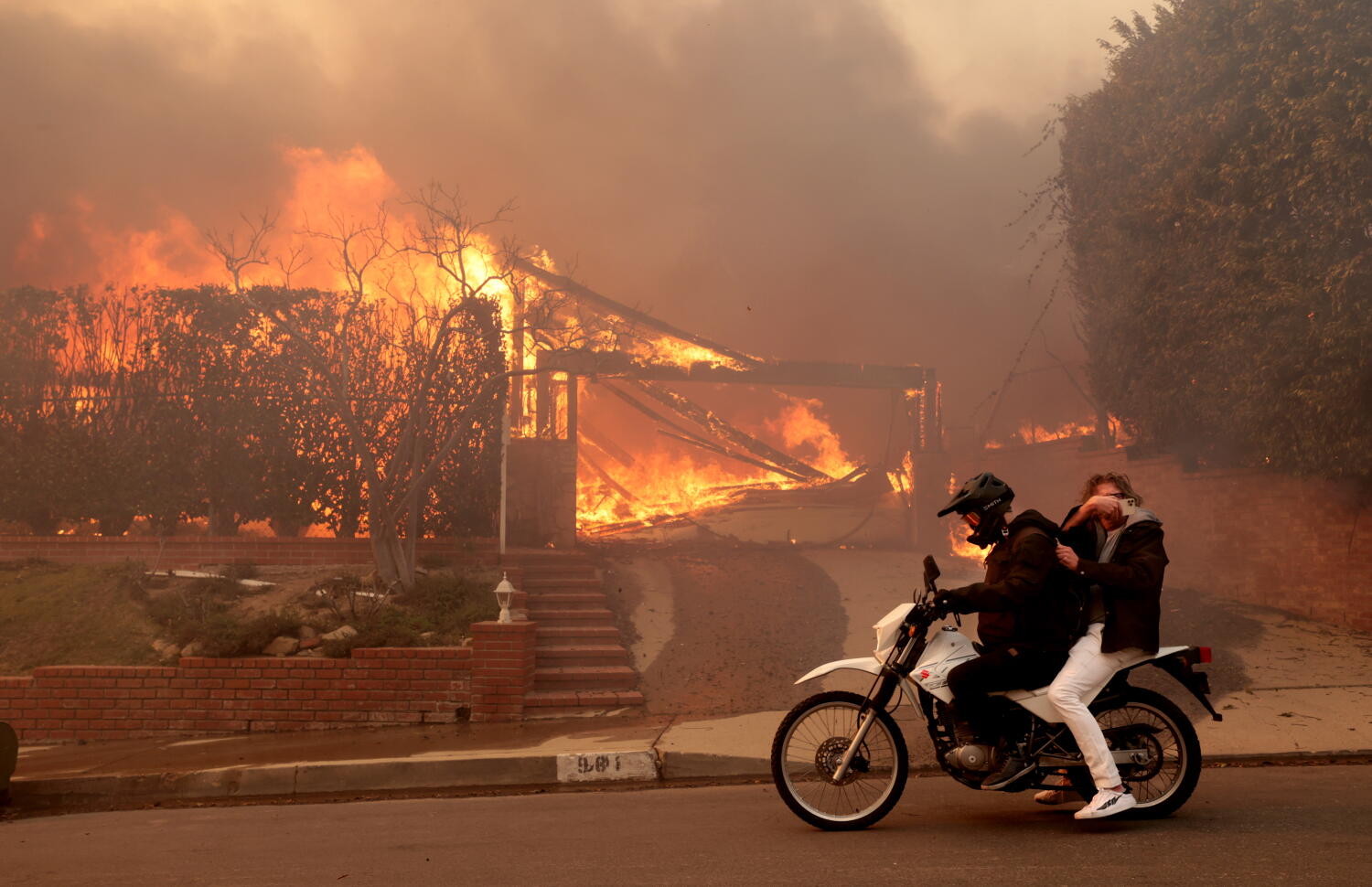
I have watched companies and state funds burn billions of dollars trying to soften the blow of natural disasters, only to guarantee that the next disaster hits twice as hard. The lazy consensus says that insurance should make people whole no matter where they build. That philosophy treats insurance like a charity fund. Insurance is not charity. It is math. When you subsidize construction in high-risk ignition zones and pump unlimited money into rebuilding identical wooden boxes in the direct path of wind-driven infernos, you are not helping victims. You are financing the next catastrophe.
Let us look at the mechanics of modern property insurance. Policies are priced on probability and severity. When a specific geographic area becomes a tinderbox due to decades of fire suppression, shifting climate patterns, and aggressive suburban sprawl into the wildland-urban interface, the cost of coverage should skyrocket. That price signal tells a simple truth: do not build here. To explore the full picture, we recommend the detailed analysis by The Economist.
Instead, state-backed insurers of last resort and legislative mandates force carriers to cap rates and cover properties that defy basic risk management. When a wildfire tears through a subdivision, the payout rush begins. Victims receive full replacement costs plus expansive endorsements for smoke remediation and temporary living expenses.
Sounds great on paper. In practice, it creates a moral hazard so large you can see it from space.
Imagine a scenario where a homeowner builds a timber-frame house in a canyon with a single access road, surrounded by dense brush. If the state guarantees that an insurance check will fully replace that exact house if it burns down, why would the homeowner spend twenty thousand dollars clearing defensible space, installing metal roofs, or upgrading to ignition-resistant vents? They have zero skin in the game. The financial downside of living in a high-risk zone is completely absorbed by the pool of policyholders in safe urban areas who subsidize their lifestyle choices.
This is the dirty secret of disaster relief payouts. They reward bad architecture and worse geography.
Critics argue that denying people full coverage after a tragedy is heartless. They point to smoke damage claims, claiming that microscopic particulates devalue entire neighborhoods and require gutting homes miles away from actual flames. Let us be precise about this. Smoke damage is real, but the claims ecosystem surrounding it has turned into a gold rush for public adjusters and remediation contractors who bill insurance companies astronomical sums for wiping down surfaces that standard cleaning would fix.
When insurance pays out millions for speculative smoke remediation on homes that suffered zero structural damage, policy pools bleed. Premiums spike for everyone else. Within three years, major carriers pull out of entire states entirely, leaving homeowners with zero options except state-run pools that are functionally bankrupt before the next dry season even begins.
You cannot legislate away physics. You cannot regulate away a drought. And you certainly cannot pretend that infinite money solves a structural crisis rooted in bad land use.
If we actually want to protect people from wildfires, we have to stop throwing money at the aftermath and start punishing the pre-disaster negligence. That means moving away from guaranteed replacement cost models in high-risk zones. It means deductibles that sting enough to force behavioral change. If you choose to live in a blowtorch alley, your insurance should reflect that reality on day one, not after the smoke clears.
Stop asking how we can get more money to wildfire victims faster. Start asking why we are encouraging them to stand back up in the exact same line of fire.
Next time the wind shifts and the hillsides go up, remember that every check written without a condition for safer relocation is just a down payment on the next tragedy.
Tear down the houses in the canyons. Make the rebuild conditional on concrete, steel, and stone. Let the market speak through prices before the flames speak through ash.
The fire does not care about your policy limits.