A convicted organizer of one of Canada's boldest cargo thefts takes the stand, melts down stolen gold bars like it's kitchen appliance work, gets abducted in Pakistan, and then tells a Brampton court he can't remember key texts. If you've been following the Pearson gold heist trial, you know this case isn't playing out like a slick Hollywood movie. It's messy, chaotic, and full of uncomfortable questions about what a judge should actually do with a witness whose memory is full of holes.
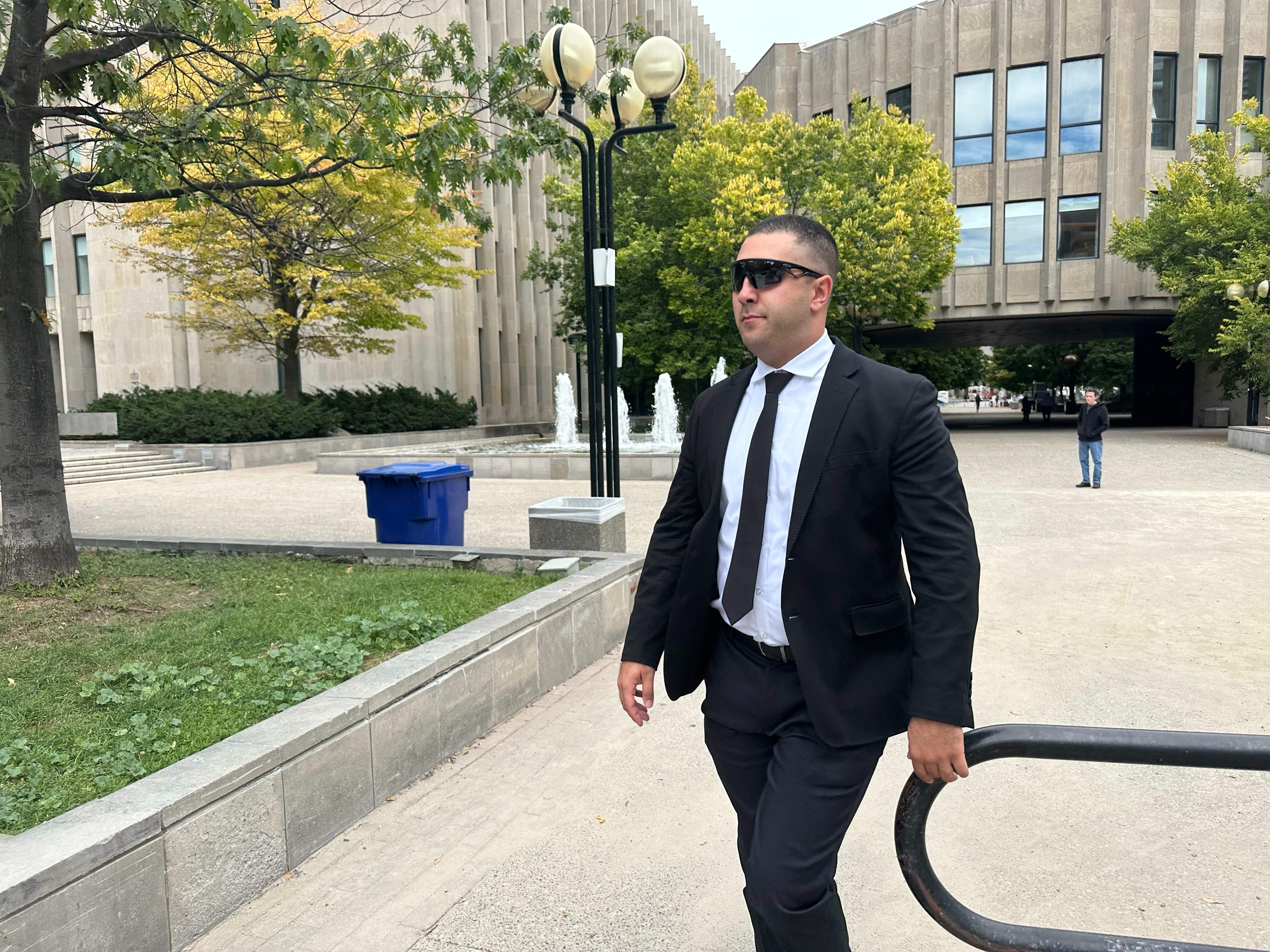
Let's cut straight to what's happening in court. The Pearson gold heist trial centers on Parmpal Sidhu, a former Air Canada employee who has pleaded not guilty to theft over $5,000 and conspiracy to commit an indictable offence in connection with the April 17, 2023 theft at Toronto Pearson International Airport. Prosecutors allege that 6,600 gold bars—weighing more than 400 kilograms and worth roughly $22 million after arriving from Switzerland—vanished when a suspect presented a fraudulent airway bill to warehouse workers and loaded the shipment onto a five-tonne truck. Taking the witness box in October 2026 was Arsalan Chaudhary, a key figure who previously pleaded guilty, received a four-year prison sentence, and was ordered to pay $22 million in restitution over 40 years.
How the Pearson Gold Heist Trial Unfolded on the Stand
Watching a co-accused organizer testify against someone else is always a high-wire act for the Crown. Chaudhary told the court he took 30 percent of the boxes of one-ounce gold bars under an arrangement where another figure, Panesar, took 70 percent. Honestly, the casualness of his testimony is what hits hardest. He didn't describe an intricate criminal mastermind routine. He said he didn't really know Sidhu well and mostly called or texted him when he couldn't reach Panesar.
When the Crown pressed Chaudhary on text messages and group chats tied to the heist, his answers kept sliding into "I don't remember" or "I don't recall." He blamed memory lapses on trauma and PTSD, saying he had been trying to focus on his correctional plan and move forward with his life rather than dig up the past.
Here's my take on that. Trauma can genuinely affect recall, and courts deal with messy human memory all the time. Still, when a star witness for the prosecution can't recall crucial communications involving the person on trial, defense lawyers smell reasonable doubt from a mile away. A judge sitting alone—as is happening in Sidhu's trial, with a ruling expected in late January 2027—has to weigh sincerity against reliability. Saying "I destroyed people's lives" in remorse doesn't automatically supply missing proof against a co-accused.
Melting Gold and an Abduction in Pakistan
One of the strangest twists in Chaudhary's testimony wasn't about airport security at all. It was about how fast stolen wealth can evaporate.
Chaudhary testified that he used a gold-melting machine to melt down part of his share so the bullion couldn't be traced, bringing in roughly $200,000 to $300,000 in cash. He described the process bluntly, comparing it to turning on a machine and heating it up rather than "brain surgery." That detail matters because people often imagine stolen gold sitting in some secret vault waiting for police to kick down the door. In reality, criminals melt it to strip away markings and turn heavy metal into smaller, more liquid value—even if they end up losing a fortune along the way.
According to Chaudhary, things unraveled further in Pakistan. He testified that people in police uniforms abducted him, blindfolded him, and abused him, forcing him to hand over access to remaining gold in a condo in Canada and cash at a cousin's house in Pakistan. He suspected the abductors learned about his money through someone in Pakistan who had helped him get the melting machine and move cash from Canada. Afterward, he went to Dubai before returning to Canada on January 12, 2026.
Think about the irony there. A $22 million cargo heist ends with a convicted participant claiming he had almost nothing left to show for it and facing a 40-year restitution clock. Greed doesn't just ruin lives; it attracts predators who don't care about honor among thieves.
Inside Man or Patsy in High-Value Cargo Theft
As legal coverage from outlets like CTV News and CBC News has highlighted, the central clash in Sidhu's case comes down to two competing stories: was he a crucial inside man who helped enable the theft with a doctored shipping document, or is he being pinned with blame he doesn't deserve? Notably, prosecutors also dropped charges against two other men, Ali Raza and Amit Jalota, ahead of the trial.
In high-value logistics crimes, paper trails are everything. A fraudulent airway bill isn't just a piece of paper; it's the key that convinces busy warehouse staff to hand over multimillion-dollar freight without raising alarms. Yet proving who falsified or facilitated a document—beyond a reasonable doubt—is much harder than proving the shipment was stolen.
From years of watching major fraud and cargo cases play out, I've noticed a pattern that trips up plenty of observers:
- A guilty plea by one conspirator isn't proof of another person's guilt. Someone can admit their own role and still give vague, unhelpful, or self-serving testimony about everyone else.
- Dropped charges don't mean the case is collapsing. Prosecutors routinely narrow witness lists and charges before trial to focus on the strongest admissible evidence.
- Judge-alone trials look quieter than jury trials. Without twelve jurors reacting to dramatic moments, the legal weight rests on transcripts, document chains, credibility findings, and strict criminal standards.
- Physical security fails when process trust is abused. Even major international hubs like Pearson can be exploited if forged paperwork bypasses human verification at the loading dock.
What Readers Often Miss About Major Heist Trials
People love the spectacle of a massive gold theft—6,600 bars, Swiss origin, international travel, fake shipping papers. What they sometimes overlook is how slow and methodical the courtroom reckoning actually is. A heist takes minutes or hours; untangling digital messages, financial transfers, and conflicting accounts takes years.
There's also a real tension around accountability when a key witness claims trauma. Nobody outside the courtroom can look inside Chaudhary's head to measure his PTSD or decide whether his memory gaps are genuine or convenient. That uncertainty is built into the justice system on purpose. The burden stays on the prosecution, and a judge has to separate emotional courtroom moments from hard evidence.
If you're following this case closely or writing about high-stakes trials, don't get swept up in single-day headlines from the witness box. Track the full arc of the evidence, watch how defense counsel tests every gap in the timeline, and wait for the judge's written or delivered ruling expected in late January 2027 to see how the court pieces the puzzle together.
Key figure in Pearson gold heist tells trial kidnappers took his money
This video clip from CityNews summarizes key courtroom testimony from the trial's central witness regarding how the stolen gold was handled and later lost.