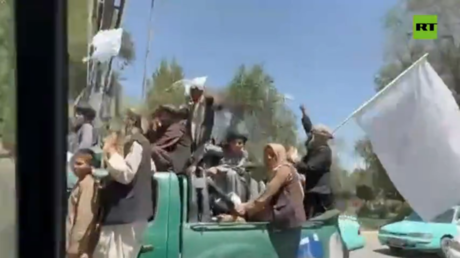
The chaotic scenes at Kabul airport faded from front-page news years ago, but the reality on the ground in Afghanistan keeps shifting in ways western observers frequently misunderstand. Five years have passed since the final U.S. military transport left Hamid Karzai International Airport. That hasty exit ended America's longest war, but it marked a brutal beginning for millions of Afghans left behind under strict Taliban rule.
If you only look at mainstream headlines, you miss the slow, grinding normalization of an authoritarian system that has systematically erased women from public life, shuttered independent media, and locked the country into a severe economic freeze. Let's break down what life actually looks like now, why western isolation policies have backfired on ordinary citizens, and what the five-year milestone really represents.
The Reality of Isolation and Economic Collapse
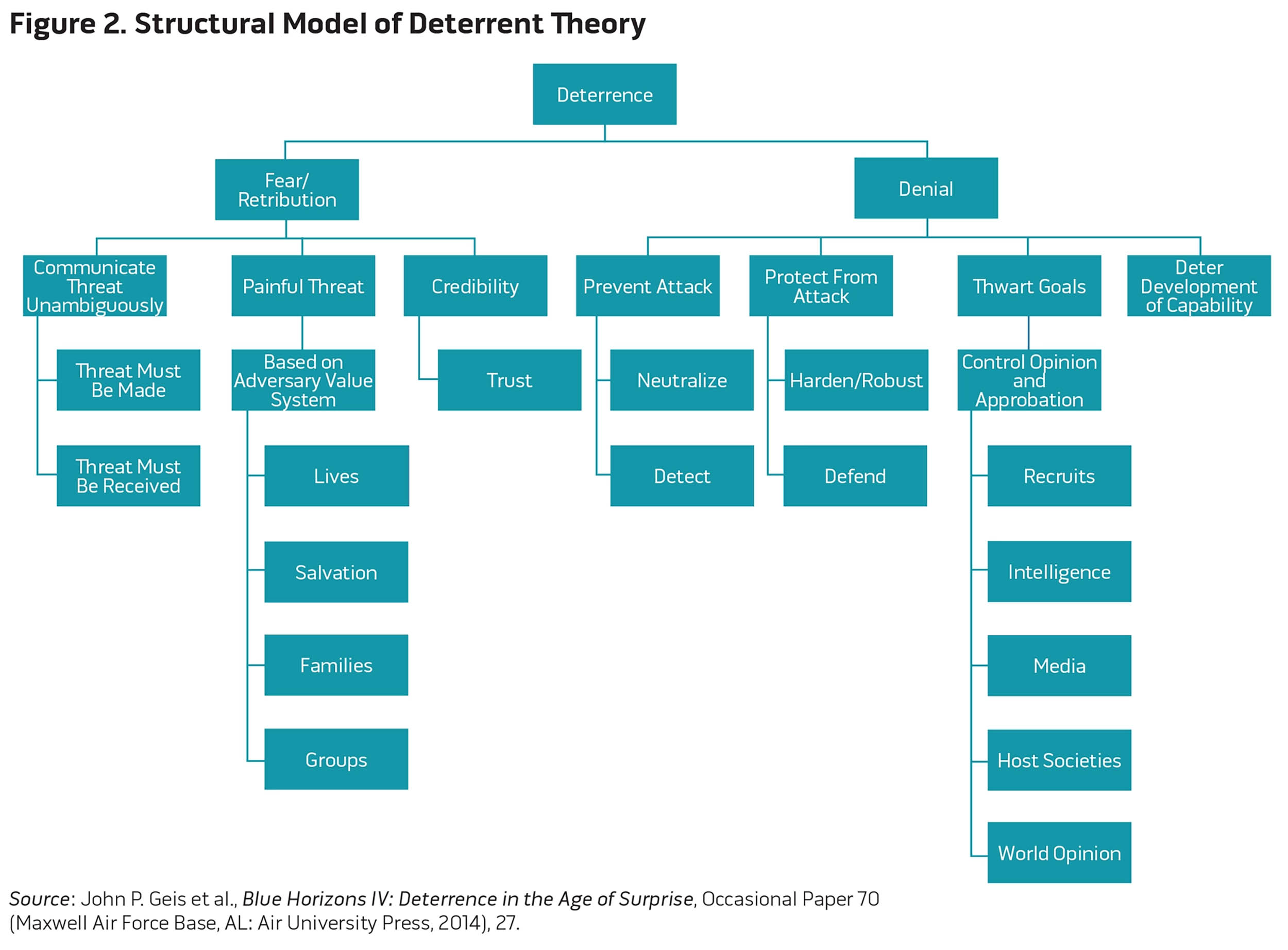
Sanctions and foreign aid cutoffs were supposed to punish the Taliban. Instead, they crushed the civilian population. When western governments froze billions in central bank reserves back in 2021, the ripple effects destroyed the local banking sector and triggered widespread food insecurity.
Organizations like the World Food Programme have repeatedly pointed out that economic pressure rarely forces regime change. It starves the vulnerable. Today, millions of Afghans rely entirely on shrinking humanitarian lifelines just to survive.
The state functions on an austere, hardline administrative model. Tax collection continues, roads are heavily policed, and corruption has dropped in certain bureaucratic layers compared to the republic era, but the price is total domestic suppression. Dissent is met with immediate detention. Civil society basically doesn't exist out in the open anymore.
The Systematic Erasure of Women and Resistance
You cannot talk about modern Afghanistan without addressing the total rollback of women's rights. Girls are officially banned from secondary schools and universities. Women have been pushed out of nearly all professional sectors, barred from public parks, and restricted from traveling long distances without a male guardian.
Yet underground resistance takes quiet, dangerous forms. Secret community schools operate in basements and living rooms across major cities, teaching girls math, science, and literature despite the obvious risks. Organizations like Zan Times rely on covert networks of local journalists to document abuses, proving that domestic opposition hasn't vanished—it's just driven completely underground.
Human rights reporting has grown harder to verify, but data gathered by local monitors indicates that domestic violence and forced marriages have surged under an impunity framework where legal protections for women have been completely dismantled.
Shifting Geopolitics and Regional Realities
While Washington and European capitals maintain a stance of diplomatic non-recognition, regional powers have quietly adapted. Countries like China, Pakistan, Iran, and Central Asian states engage in pragmatic, transactional diplomacy with Kabul. They trade goods, negotiate border security, and discuss regional infrastructure projects because geography forces them to deal with the administration in power.
At the same time, security dynamics remain messy. Cross-border skirmishes with Pakistan have escalated periodically, and the presence of various militant factions complicates regional stability. The Taliban leadership wants international legitimacy and foreign investment, particularly to develop the country's massive mineral wealth, but western governments refuse to budge while human rights violations continue unchecked.
Why the Five-Year Mark Forces a Rethink
Policy analysts are increasingly arguing that the "wait-and-see" approach has failed. Five years of strict isolation haven't moderated Taliban governance, nor have they improved the daily existence of ordinary Afghans.
If you want to understand where things go next, stop expecting a sudden internal collapse or a miraculous democratic reversal. The current order is entrenched. Real progress—if it happens at all—will come from localized survival tactics, persistent underground education networks, and heavily monitored pragmatic engagement that prioritizes humanitarian relief over political posturing.
Afghans who fled their homes during the chaotic U.S. withdrawal reflect on the last year
This video provides a firsthand look at the human cost of the transition through the personal reflections of refugees who lived through the collapse.