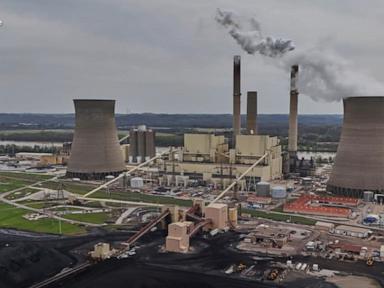
Federal environmental policy just took a massive swing. The Environmental Protection Agency finalized a sweeping repeal of the 2024 carbon pollution standards for fossil fuel-fired power plants, dismantling strict federal limits that utilities and coal operators fought for years. If you are trying to make sense of what this means for energy markets, grid reliability, and industrial power demands, the headlines barely scratch the surface.
Most coverage treats this regulatory shift as a simple political football. It is actually a fundamental collision between aggressive climate mandates and the physical reality of grid infrastructure. Understanding why this rollback happened requires looking at the actual constraints facing power generation today, from technology limits to skyrocketing electricity consumption.
Why the 2024 Rules Collapsed
The 2024 standards rested on a heavy assumption. The agency mandated that long-term coal-fired units and new gas turbines adopt carbon capture and sequestration to achieve a ninety percent reduction in greenhouse gas emissions. Alternatively, medium-term coal units faced mandatory natural gas co-firing.
Under the Clean Air Act, these mandates required a standard known as the best system of emission reduction. That standard requires technologies to be "adequately demonstrated" in practice, not just in theory. The EPA concluded that ninety percent carbon capture had never reached commercial viability at scale. Facilities cited in earlier rulemakings failed to hit those capture rates consistently, and the massive network of pipelines and sequestration sites required for the process basically does not exist.
Furthermore, forcing utilities into natural gas co-firing ran straight into legal roadblocks established by the Supreme Court regarding impermissible generation shifting. When the technology is too expensive, logistically impossible to build by the deadlines, and legally vulnerable, the framework collapses under its own weight.
The Energy Demand Pressure Cooker
Timing matters here. This regulatory pivot arrives just as domestic electricity demand is surging at a historic pace. Artificial intelligence data centers, advanced manufacturing facilities, and widespread electrification are putting an unprecedented load on the grid.
Utilities face a brutal balancing act. Retiring reliable baseload coal and gas plants before replacement capacity is fully operational creates immediate risks of blackouts. By removing strict emissions ceilings that would have forced early plant retirements, the agency aims to keep existing fossil generation online.
Proponents argue this move secures immediate cost savings for the power sector, with estimates running into billions of dollars that would have otherwise gone toward unproven retrofits. They claim it protects consumers from sudden price spikes and ensures stability when weather extremes strain local grids.
What Happens Next in Court and the States
Do not expect this issue to settle quietly. Environmental advocacy groups have already signaled immediate courtroom battles, arguing that the repeal ignores statutory duties to curb greenhouse gas emissions. Legal challenges will test whether the administration's justification holds up against long-standing administrative procedures.
At the same time, federal rules do not exist in a vacuum. State-level climate policies, regional greenhouse gas initiatives, and corporate clean energy targets mean many utilities will still face local pressure to curb emissions. A federal rollback removes a major hurdle, but it does not erase state mandates or market-driven shifts toward renewables.
If you manage industrial assets or track utility investments, stop looking at federal rules as a permanent roadmap. Watch local permit proceedings, state utility commissions, and ongoing litigation. Those are the trenches where the real energy transition is actually being fought.