Donald Trump says he's got a deal. Tehran says he's dreaming. If you've been following the headlines since the military strikes began back in February, you've seen this movie before—two sides screaming past each other while the world waits to see if the Strait of Hormuz stays open or becomes a graveyard for oil tankers.
The latest friction point isn't just about a ceasefire. It's about the physical possession of roughly 970 pounds (440 kilograms) of highly enriched uranium. Trump claimed on Friday that Iran "agreed to everything," including the total removal of its nuclear stockpile to the United States. Within hours, Iran's Foreign Ministry called that a "non-starter," comparing their enriched uranium to sacred soil.
So, who's telling the truth? Most likely, neither of them. This is high-stakes psychological warfare masquerading as diplomacy.
The Nuclear Dust Dispute
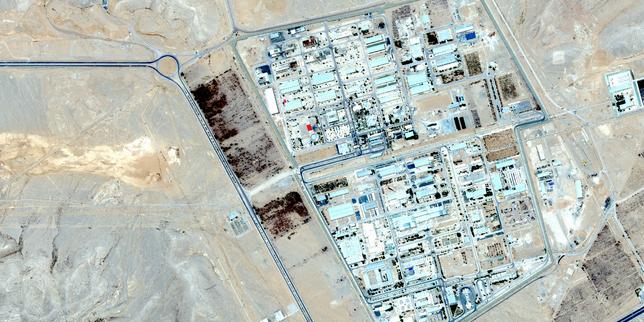
Trump’s version of the story is typically cinematic. He told reporters that "our people" would go in with big machinery to "excavate" the material from sites damaged by last year's bombing campaign. He's talking about the rubble at Fordow and Natanz. He claims this will happen at a "leisurely pace" without American ground troops, which sounds great on a campaign trail but makes almost zero sense to anyone who knows how hazardous nuclear material is to transport.
The Iranians aren't having it. Deputy Foreign Minister Saeed Khatibzadeh was blunt: no material is being shipped to the U.S. period.
You've got to understand the Iranian perspective here to see why they're digging in. To Tehran, giving up the uranium is a total surrender. They’ve spent decades—and faced a massive bombing campaign in early 2026—to protect this program. Handing over the physical "dust" to the U.S. is the ultimate humiliation. Instead, they’re proposing a three-to-five-year moratorium or diluting the material back down to low-grade levels.
The Hormuz Stranglehold
While the nuclear talk gets the clicks, the real crisis is the water. The Strait of Hormuz is currently a mess of "maybe" and "if."
Iran opened the waterway for a 10-day ceasefire to allow aid into Lebanon, but they’ve already threatened to shut it again. Why? Because the U.S. naval blockade on Iranian ports hasn't moved. Trump says the blockade stays until a final agreement is signed. Iran says if the blockade stays, the Strait closes.
Here is the current state of play on the water:
- The IRGC demands all ships obtain Iranian permission to pass.
- Passage is limited to a "coordinated route" approved by Tehran.
- Trump maintains that any interference with shipping will lead to resumed attacks.
If you're a shipping company, you're not celebrating "peace" yet. Insurance rates for tankers haven't dropped because the "agreement" Trump is touting doesn't actually exist on paper.
Money vs. Sacred Soil
There’s a massive gap in the math. Reports surfaced that the U.S. might release $20 billion in frozen assets in exchange for the nuclear stockpile. Trump immediately shot that down, saying "no money is changing hands."
This is where the "Expertise" part of the analysis comes in. Historically, Iran doesn't give up strategic assets for free. They've demanded lifting all economic sanctions and reparations for the damage caused by the February strikes. If Trump thinks he can get the uranium and keep the $20 billion, he's ignoring how the regime has operated for the last forty years.
Honestly, it feels like both leaders are performing for their home audiences. Trump wants to look like the ultimate dealmaker who stopped a nuclear war with a phone call. The Iranian leadership needs to look like they haven't been broken by the U.S. and Israeli air campaigns.
The Reality Check
Don't be misled by the noise. The IAEA (International Atomic Energy Agency) has confirmed that many of Iran's facilities were "affected" by the attacks, but they still haven't been given access to verify the current status of the 60% enriched material.
If you want to know what’s actually happening, watch the Strait of Hormuz. If tankers start moving freely without IRGC "coordination" and without a U.S. blockade, a deal is real. Until then, it's just two guys arguing about who won a war that hasn't actually ended.
What to Watch Next
If you're tracking this for business or just trying to understand if gas prices are going to skyrocket, here’s what to look for:
- The Pakistan Meeting: Watch for official joint statements from the upcoming talks in Pakistan. If they don't produce a signed document, ignore the social media posts.
- IAEA Inspections: The moment Iran allows inspectors into the damaged sites at Fordow, you’ll know they are serious about a nuclear compromise.
- The 10-Day Window: The current ceasefire in Lebanon is the clock. If no broader deal is reached before it expires, expect the strikes—and the blockade—to ramp back up.
The situation is fluid, but don't buy the "everything is agreed" narrative just yet. We’re in a period of "media warfare," where the truth is usually found somewhere in the middle of the rubble.