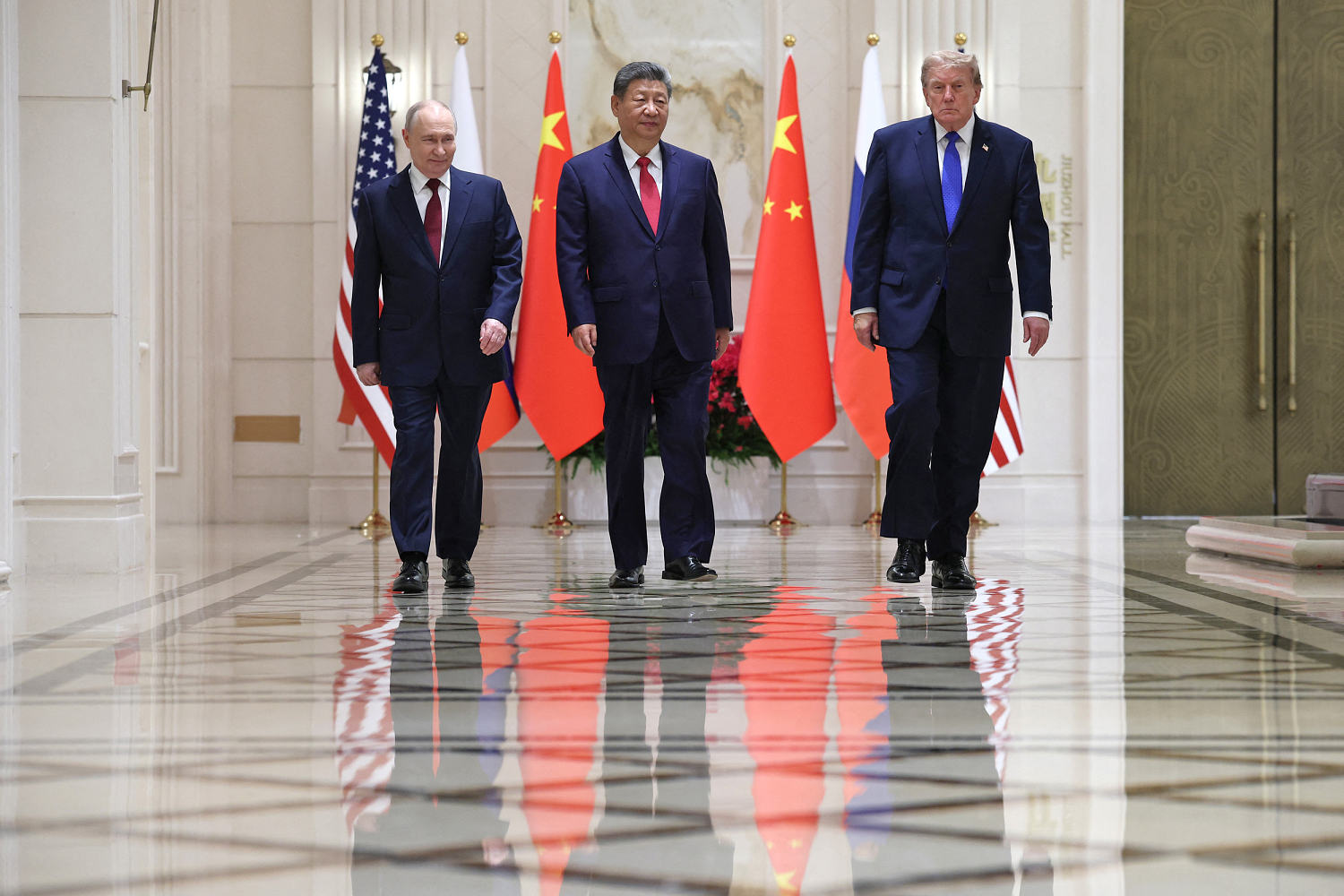
You probably saw the photo. Donald Trump, Xi Jinping, and Vladimir Putin standing side by side at the Kylin Villa in Shenzhen, smiling for cameras on the sidelines of the Asia-Pacific Economic Cooperation gathering on November 19, 2026.
Most coverage called it empty theater. Some commentators panicked about a new Yalta, while others rolled their eyes at a vague four-point communique that didn't even mention Ukraine or Iran. Both reactions miss what actually happened behind closed doors—and why that single afternoon in southern China reshaped the diplomatic math heading into December's G20 summit in Miami.
Calling the Shenzhen meeting "purely symbolic" sounds smart until you read the actual text they signed.
Why the Shenzhen Summit Was More Than Just Photo Ops
When three nuclear-armed presidents sit in the same room for the first time in modern history, optics aren't trivial. Optics are policy.
For years, Washington treated bilateral talks with Beijing and Moscow as separate tracks—and insisted Beijing refused to enter nuclear risk discussions at all. By pulling Xi and Putin into a single trilateral format at Kylin Villa, Trump broke a diplomatic taboo that had held through multiple administrations. Secretary of State Marco Rubio defended the format bluntly afterward, arguing that keeping the three countries holding the overwhelming majority of global nuclear warheads out of the same room was "not just absurd, it's dangerous".
Here is what the White House and China's Ministry of Foreign Affairs actually published in their joint Heads of State Declaration toward Peace:
- United Nations Security Council reform aimed at making the body respond faster to global crises.
- Expanded production and supply of refined petroleum products alongside commitments to stable global energy flows.
- Joint opposition to International Criminal Court overreach, affirming state consent and immunity for sitting state officials.
- Formal nuclear risk-reduction dialogue, reviving the classic Reagan-Gorbachev formula that a nuclear war cannot be won and must never be fought.
Notice what's sitting right in point three. That wasn't filler.
The ICC Clause Nobody Read Closely Enough
If you want to understand why Putin and Trump found instant common ground in Shenzhen, look at the International Criminal Court language.
Putin has lived under an active ICC arrest warrant since 2023 over alleged war crimes in Ukraine, which is why he hadn't attended an APEC summit since 2017. Washington, meanwhile, has spent months fighting the ICC's arrest warrant targeting former Israeli Prime Minister Benjamin Netanyahu. Having the United States, Russia, and China jointly declare that international tribunals "must not abuse their jurisdiction" and must respect sovereign immunity gives Moscow diplomatic cover it hasn't enjoyed since invading Ukraine.
In international diplomacy, joint declarations rarely include enforcement mechanisms or ratification timelines. Legal scholars point out that the Shenzhen text functions as a political commitment rather than a binding treaty under the Vienna Convention. Still, getting Washington's signature alongside Moscow's and Beijing's on sovereign immunity creates immediate leverage for Russia in non-Western capitals.
Who Walked Away With the Real Win
Let's be honest about the scoreboard. Xi Jinping hosted the party, controlled the venue, and got exactly what Beijing wanted after watching Republicans lose both chambers of Congress in the November midterms.
Think about the timing. Democrats take control of the House and Senate on January 3, 2027. Beijing knew Trump was coming to Shenzhen weakened domestically and eager for a foreign policy headline before gridlock hits Capitol Hill. By staging the trilateral summit on Chinese soil, Xi positioned himself as the indispensable convener between Washington and Moscow.
What Beijing Gained
- Buffer against U.S. chip enforcement: Days before the summit, Washington tightened restrictions over advanced American AI chips reaching Chinese firms. Yet in Shenzhen, Trump avoided public confrontation, telling reporters earlier that week he didn't want to "insult China" while preserving a working relationship.
- Four framing principles on record: Alongside the joint statement, China's Foreign Ministry highlighted Xi's personal framework—mutual respect, peaceful coexistence, mutually beneficial cooperation, and dialogue—allowing Beijing to project stability while trade talks tick toward a January 10, 2027 truce deadline.
- Zero concessions on Taiwan: Trump had predicted Xi would raise Taiwan. When the dust settled, Beijing gave up nothing on cross-strait military pressure or U.S. arms packages.
What Washington Actually Got
Trump left China calling the summit "unbelievable" and referring to Putin as his "friend"—a line that triggered immediate fury from Senate Democratic Leader Chuck Schumer, who called the trip a "historic embarrassment". Director of National Intelligence Jay Clayton spent Sunday morning on ABC defending the president's phrasing while insisting Putin is "not America's friend in Ukraine".
Strip away the cable news shouting, though, and Washington did secure two things that matter:
- China's entry into trilateral nuclear talks. For years, Beijing argued its nuclear arsenal was too small compared to U.S. and Russian stockpiles to justify three-way talks. Getting Xi's name on a nuclear risk-reduction commitment cracks that door open.
- Backchannel pressure on Tehran. Even though the written declaration skipped Iran and the Strait of Hormuz completely, Treasury Secretary Scott Bessent suggested two days later that Washington secured quiet alignment from Beijing and Moscow regarding Tehran. Iranian officials themselves appeared rattled and divided over whether a side understanding was reached behind closed doors.
Why European Allies Are Quietly Panicking
While American pundits argued over whether Trump looked too friendly with Putin, European leaders reacted with alarm.
Polish Prime Minister Donald Tusk warned immediately after the Kylin Villa meeting that any discussions touching Europe's security architecture held over the heads of Europeans would provoke fierce pushback. His concern wasn't paranoid. Trump told reporters before leaving for Asia that Ukraine would definitely come up in the trilateral room—even though no Ukrainian officials were invited to Shenzhen.
Just days after the summit, on November 26, Trump publicly urged Putin from Florida to halt military aggression in Europe to clear a path for a Ukraine settlement, while Washington simultaneously delayed its long-awaited review of U.S. troop posture across the continent. European diplomats heading into next week's NATO foreign ministerial in Brussels now have to guess whether Washington is negotiating European security in private rooms with Moscow and Beijing.
Three Dates That Will Prove Whether Shenzhen Mattered
Symbolic summits only stay symbolic if nothing follows them. Over the next six weeks, three concrete tests will show whether the Kylin Villa declaration had real teeth or died on the tarmac:
- December 14–15, 2026 in Miami: Trump hosts the G20 Leaders' Summit at Trump National Doral. Xi is expected to attend, and Trump has publicly stated Putin is welcome. Watch whether Putin actually shows up on American soil—and whether any working groups on nuclear risk or UN reform materialize before they meet.
- January 3, 2027 on Capitol Hill: The new Democratic-controlled Congress is sworn in. Expect immediate oversight hearings on U.S. chip export enforcement, sanctions relief rumors, and any side deals struck with Moscow or Beijing.
- January 10, 2027 trade deadline: The current U.S.-China trade truce expires on this date. If Beijing retaliates against U.S. semiconductor rules with rare-earth export restrictions—or if Washington slaps new tariffs on foreign-built data centers as Trump threatened after returning home—the warm Shenzhen rhetoric vanishes overnight.
If you're tracking how this affects markets, defense policy, or transatlantic alliances, stop watching the handshake clips. Keep your eyes on the January 10 trade truce expiration and the upcoming NATO ministerial in Brussels—those two calendar dates will tell you everything the Kylin Villa communique left out.
For further perspective on how observers viewed the outcomes in Shenzhen, watch Historic Trump-Putin-Xi summit draws skepticism over lack of progress, which breaks down the immediate reaction to the three leaders' historic gathering.