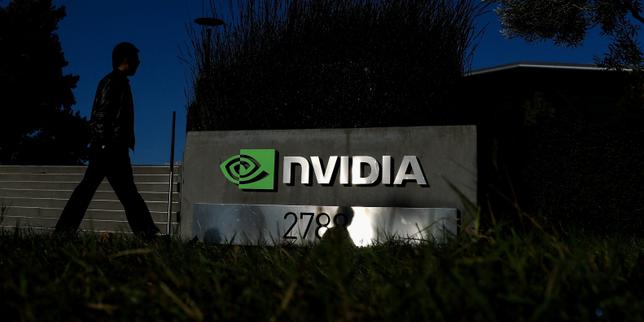
Most Wall Street analysts gave Jensen Huang zero chance of getting his job back. Eleven days after resigning from Nvidia in disgrace on November 12, 2026, he walked back into the Santa Clara headquarters to cheering employees and triggered a 31% single-day stock surge.
People think that reversal happened because Nvidia's board suddenly forgave him. They didn't. It happened because a tightly coordinated Silicon Valley "war room" bypassed traditional corporate governance and took their case straight to Donald Trump and JD Vance.
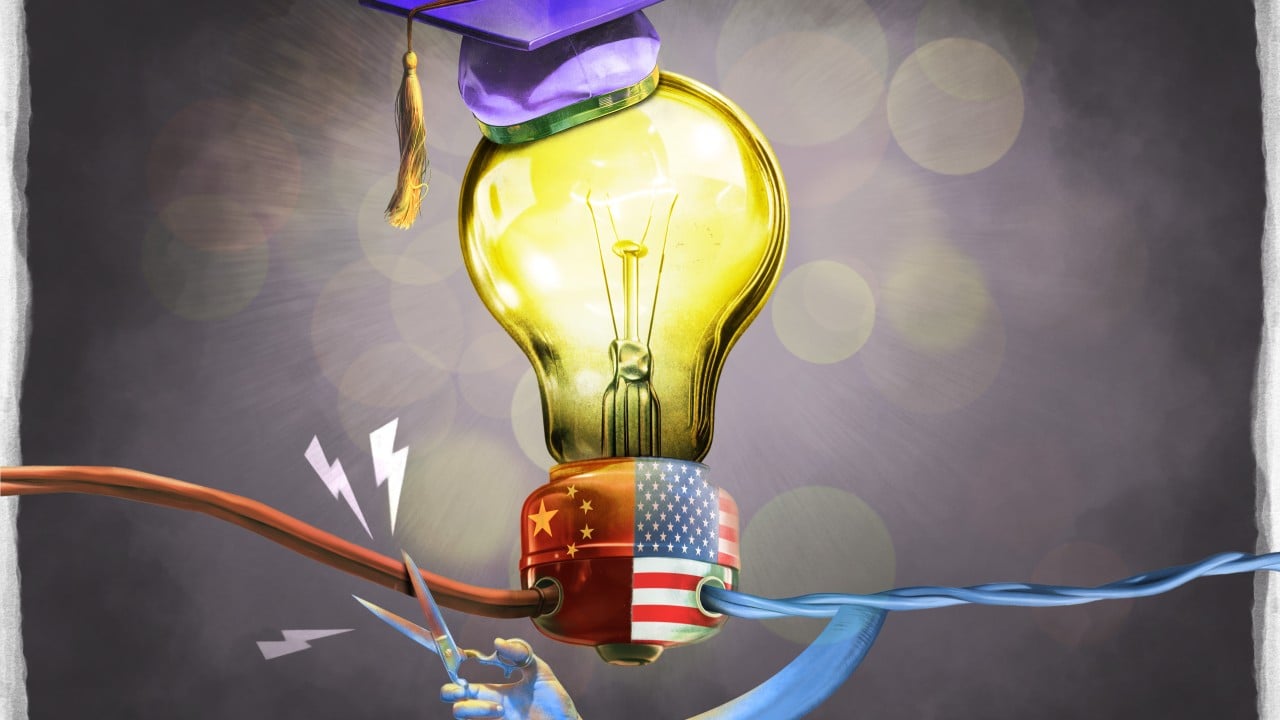
If you only followed the surface-level headlines about Huang's workplace affairs, you missed the real story. This wasn't a standard PR crisis. It was a high-stakes geopolitical lobbying campaign that pitted billionaire tech founders against U.S. national security officials—and the tech founders won.
Why Huang Was Forced Out in the First Place
To understand how crazy this comeback really is, you have to look at why Huang stepped down on November 12.
Corporate boards rarely fire a founder who built a multi-trillion-dollar monopoly unless the liability becomes existential. In Huang's case, two separate scandals collided at the exact same time. First, reports surfaced of an extramarital relationship with a subordinate, violating Nvidia's internal code of conduct. Second—and far more dangerous—was his affair with Alice Huang, an executive at Megaspeed.
Megaspeed isn't just another cloud customer. Based in Singapore, the firm accounted for a massive chunk of Nvidia's revenue. U.S. intelligence officials suspected Megaspeed was acting as a front to covertly funnel restricted, high-end Nvidia chips into China. Worse yet, American officials believed Alice Huang was a Chinese intelligence asset.
That detail turned a messy personal scandal into a national security nightmare.
When Nvidia's board accepted his resignation and named CFO Colette Kress as interim CEO, Wall Street panicked. Over the next ten days, Nvidia shed roughly $1.2 trillion in market value. On November 17, board chair Harvey Jones publicly stated that the company had no intention of bringing Huang back. A day later, Jones told employees at an all-hands meeting that Huang had shown a "lack of candor".
By every normal metric of corporate America, Jensen Huang was finished.
Inside the Silicon Valley War Room
Within hours of Huang's resignation, a group of Silicon Valley power brokers decided they weren't going to let the board's decision stand.
According to reporting from the Financial Times, this informal war room included Uber co-founder Travis Kalanick, venture capitalist Marc Andreessen, investors Gavin Baker and Brad Gerstner, and Goldman Sachs executive John Underwood. Shervin Pishevar also joined the push, framing Huang's ouster as an attack on pioneering founders.
Kalanick brought personal experience to the fight. Having been ousted from Uber years earlier, he published a 12-step action plan on X and sent Huang screenshots of old employee petitions from his own battle. He called the media coverage a psychological operation and urged Huang to assemble loyalists to crush the board's rebellion.
The war room operated on two distinct tracks.
Track One Public Pressure and Employee Revolt
First, they needed to prove that Nvidia couldn't function without its founder.
Elon Musk and Epic Games CEO Tim Sweeney publicly backed a "Bring Jensen Back" campaign. David Sacks argued on his podcast that removing Huang would hand the artificial intelligence race directly to Beijing. Meanwhile, an open letter demanding Huang's reinstatement gathered more than 200,000 signatures, with Nvidia engineers warning of "irreplaceable talent loss" if the board kept him out.
Track Two The Backchannel to Washington
Public petitions don't scare corporate directors who are worried about federal espionage probes. The war room knew that Nvidia's board would never reinstate Huang unless the U.S. government explicitly cleared him of national security risks.
So they went straight to the top.
An ally inside the war room arranged a 45-minute phone call between Jensen Huang and Vice President JD Vance. On that call, Huang didn't just beg for his job. He defended his track record on chip export controls, remote hardware access, and his dealings with Megaspeed. He argued that he was the single biggest defender of American open-weight AI models—especially following Nvidia's August agreement to acquire Hugging Face.
The pitch worked. Both Trump and Vance came to view Huang as indispensable to American AI dominance.
How Trump Forced the Board's Hand
Once the White House bought into the war room's framing, the corporate governance rules went out the window.
Behind the scenes, Attorney General Todd Blanche informed Trump and Vance that the Justice Department had found no evidence of criminal wrongdoing by Huang and that he wasn't a DOJ target. Even though intelligence advisers had warned Trump at least twice about Alice Huang's suspected ties to Chinese intelligence, the president downplayed those concerns.
Instead, Trump went public. On November 20, as Nvidia's stock dropped nearly 14% in a single session, Trump told reporters he wanted to see Huang get a second chance.
Over the weekend of November 21 and 22, the pressure turned into direct intervention. Vance led phone calls with Nvidia's directors, and Trump personally dialed into a secret Sunday evening board meeting.
Think about how unusual that is. Interim CEO Colette Kress wasn't even invited to the call. Neither was anyone else from Nvidia's senior management team. Trump later summed up his view of Kress on CNBC with blunt dismissal, saying she wasn't a "chip person" and knew less about semiconductors than he did.
During that marathon Sunday session, Huang apologized to the directors and disclosed additional workplace affairs beyond the two that had already leaked to the press. Having received direct assurances from senior U.S. government officials that Huang posed no national security threat, the board caved.
They voted unanimously to reinstate him as president, CEO, and board member. On CNBC the next day, Trump took full credit. "I spoke to them, let me put it that way," Trump said. "And I convinced them. I made the deal."
What This Means for Tech Governance and Investors
Watching a president personally broker the return of a Fortune 500 CEO changes the playbook for Silicon Valley. Compare Huang's 11-day exile to Sam Altman's 5-day ouster at OpenAI. Altman came back because of an employee mutiny and investor pressure from Microsoft. Huang came back because billionaires lobbied the executive branch to override a board's compliance concerns.
If you're an investor, executive, or observer trying to make sense of what happens next, keep your eyes on three realities:
- The compliance fight isn't over. On the exact same day Huang returned, the U.S. Commerce Department added Megaspeed to its trade blacklist. Nvidia's internal investigation is still open, the board is hiring a new chief compliance officer, and Huang is scheduled to face a Senate Banking Committee hearing on December 3.
- "Too big to fire" is now real in Big Tech. When a single company controls the hardware backbone of the global economy, standard corporate ethics rules bend. Boards will think twice before removing a founder whose exit wipes out over a trillion dollars in market cap.
- Political alignment is now a core fiduciary skill. The war room succeeded because men like Andreessen, Kalanick, and Musk had direct lines to the White House. In 2026, surviving a boardroom coup requires political capital just as much as operational brilliance.
For now, Huang is back in Santa Clara—wearing a navy cotton coat instead of his signature black leather jacket—attending daily therapy and promising to be a better CEO. The market rewarded his return with an instant $1 trillion rally, proving that on Wall Street, geopolitical risk matters far less than having the founder back at the wheel.
Watch the December 3 Senate Banking hearing and Nvidia's upcoming SEC disclosures closely—because while the war room won the battle for Huang's title, Washington's scrutiny of Nvidia's export controls has barely begun.