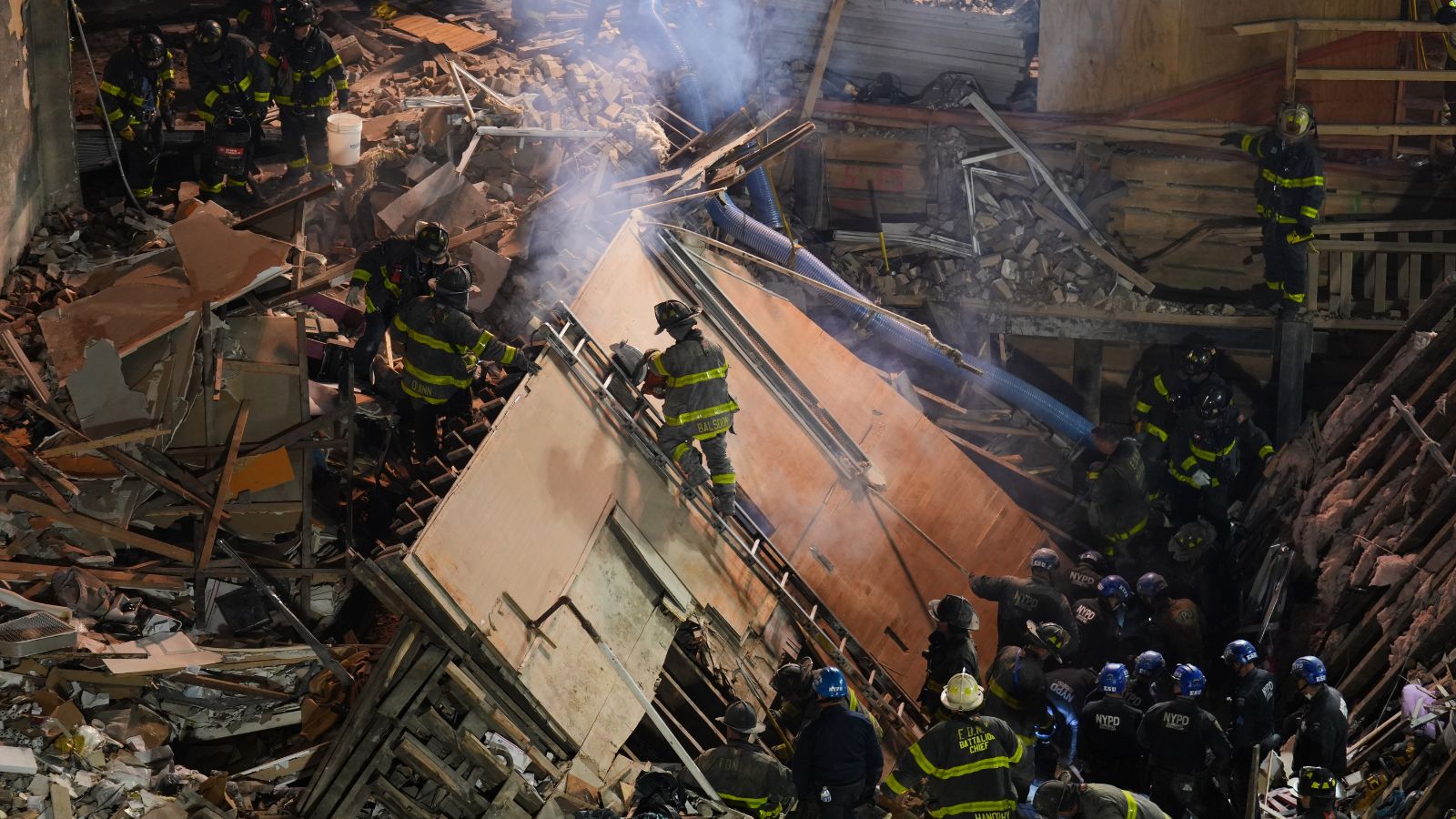
Every summer, the headlines follow the exact same tragic script. A man dead and a toddler fighting for life after being pulled from water in Australia. You read it over your morning coffee, feel a brief wave of horror, and then scroll right past because you assume it happened to people who didn't know how to swim or weren't paying attention.
That assumption is flat-out dangerous.
As someone who has spent years analyzing coastal safety reports and surf lifesaving protocols, I can tell you that most fatal water incidents in Australia don't happen to reckless tourists ignoring red flags. They happen to everyday parents and caregivers during split-second lapses in supervision or in calm-looking backyard and coastal waters that hide deadly mechanics. When a headline breaks about an adult dying while trying to save a young child, it almost always points to a chain of preventable errors that most families don't even realize they're making.
Why Bystander Rescues Turn Fatal So Fast
Here is the brutal truth about water emergencies. The person who jumps in to save a struggling toddler frequently ends up being the one who doesn't make it back.
Royal Life Saving Australia has tracked this exact phenomenon for decades in their annual National Drowning Reports. When a toddler slips into a pool, river, or choppy beach break, the caregiver's adrenaline spikes instantly. You don't think about buoyancy aids. You don't grab an esky lid, a boogie board, or a pool noodle. You just leap in fully clothed.
Wet clothes get heavy immediately. Heavy denim or cotton shirts drag your hips down and restrict your shoulder rotation. If the water is cold, cold-water shock triggers an involuntary gasp reflex, causing you to inhale water before you even reach the child.
Once you reach a panicking toddler, the physics work against you. A frightened child will instinctively climb on top of your head and shoulders to keep their own airway clear. Even a lightweight two-year-old exerts enough downward force when panicking to push an exhausted adult beneath the surface. Without a flotation device between you and the child, you're effectively fighting two battles at once while running out of oxygen.
The Silent Reality of Toddler Drowning
Forget everything Hollywood taught you about drowning. Nobody waves their arms. Nobody screams for help.
Drowning is eerily quiet. A toddler who falls into water cannot call out because their respiratory system is entirely focused on breathing. Their arms press down laterally against the water surface in an instinctive effort to push their mouth up for air, which makes it impossible for them to wave or grab a rope. They bob vertically for 20 to 60 seconds, and then they slip under.
If you're sitting five meters away looking at your phone, or turning around to grab a towel off a deck chair, you won't hear a splash. You won't hear a cry. By the time you notice the silence, irreversible hypoxic brain injury is already underway.
What Happens in the Body When Someone Is Pulled From the Water
When emergency paramedics arrive at a scene where a man is unresponsive and a toddler is in critical condition, they're fighting the clock against cellular oxygen deprivation. Understanding what happens medically explains why bystander CPR in the first three minutes matters way more than how fast an ambulance can drive.
When water enters the airway, the vocal cords slam shut in a protective reflex called laryngospasm. This prevents water from flooding the lungs, which sounds helpful, except it also blocks air from getting in. Oxygen levels in the blood plummet.
Within minutes, the brain begins shutting down non-essential functions. The heart rhythm degrades from a normal sinus beat into erratic ventricular fibrillation, and eventually flatlines into asystole.
Toddlers actually have a slight physiological advantage over adults in cold water, though it's never something you want to test. The mammalian dive reflex slows a young child's heart rate and redirects blood flow toward the brain and heart when cold water hits their face. That's why paramedics and hospital trauma teams work aggressively to warm and resuscitate children who have been submerged, sometimes achieving miraculous recoveries even after prolonged resuscitation efforts.
Adults don't get that same grace. Cardiac strain, combined with extreme physical exertion during a frantic rescue attempt, often triggers fatal cardiac arrest in men—especially those over 35—before they ever reach the shore.
The Deadliest Water Hazards in Australia Aren't Always at the Beach
When people hear about water rescues in Australia, they immediately picture Bondi Beach or fierce ocean rips. While coastal rips remain a massive killer—Surf Life Saving Australia consistently identifies rip currents as the number one coastal hazard—rivers, creeks, and backyard pools account for a staggering share of toddler and adult fatalities.
Rivers and Creeks Hide Invisible Currents
Inland waterways look peaceful on the surface. You see glassy water, overhanging gum trees, and a gentle bank. Underneath, submerged logs, sudden drop-offs, and fast-moving undercurrents create traps that catch strong swimmers completely off guard. A toddler wading ankle-deep near a riverbank can step off a submerged ledge into two-meter-deep water in a single stride.
Backyard Pools and the Illusion of Safety
Australia has some of the strictest pool fencing laws in the world, yet backyard pools remain the leading location for drowning deaths among children under five. Why? Because gates get propped open with bricks during summer barbecues. Self-closing hinges rust and fail to latch. Patio furniture gets left right next to the fence, turning into a ladder for a curious three-year-old.
A fence isn't a babysitter. It's a secondary barrier designed to buy you a few extra seconds when your eyes aren't on the water.
How to Actually Respond Without Becoming a Second Victim
If you ever see a child struggling in the water, your instincts will scream at you to dive straight in. Override that impulse for two seconds. Those two seconds will keep both of you alive.
- Shout for help immediately. Alert everyone around you so someone is already dialing Triple Zero (000) while you move.
- Grab anything that floats. Before your feet leave the ground, snag a kickboard, an inflatable pool toy, a plastic cooler, or a lifejacket. Never enter the water empty-handed if a flotation object is within arm's reach.
- Use the reach or throw method first. If the child is near the pool edge or riverbank, lie flat on your stomach so you can't be pulled in, and extend a pole, a towel, or a tree branch.
- Keep the flotation barrier between you. If you must swim out, push the buoyant object into the child's chest before making physical contact. Let them latch onto the foam or plastic rather than your neck.
- Start CPR the second you hit solid ground. Don't waste time trying to drain water out of their lungs. Tilt the head back slightly, give two initial rescue breaths—drowning is a hypoxic event, so oxygen is critical—and begin chest compressions immediately.
Practical Steps Every Australian Household Needs to Take Today
Reading about a man dead and a toddler fighting for life after being pulled from the water shouldn't just make you feel sad. It should make you audit your own habits before the next weekend trip or backyard gathering.
- Assign a designated water watcher. At every family gathering near water, put one sober adult on a 15-minute shift whose only job is watching the water. No phone, no beer, no chatting. When the 15 minutes are up, physically hand off a lanyard or hat to the next adult so there's zero confusion about who is watching.
- Check your pool gate latch right now. Walk outside, open the gate halfway, and let it go. If it doesn't click shut firmly on its own from every angle, fix the hinge or magnetic latch this afternoon.
- Refresh your CPR certification. If your first aid certificate is more than two years old, book a refresher course through St John Ambulance or the Australian Red Cross. Knowing how to adjust compression depth for a toddler versus a grown man isn't something you want to figure out during an actual emergency.
- Keep rescue gear visible at beaches and rivers. Never set up your beach towel away from the red and yellow flags, and always keep a bodyboard or foam noodle right beside your bag—not locked in the boot of the car.