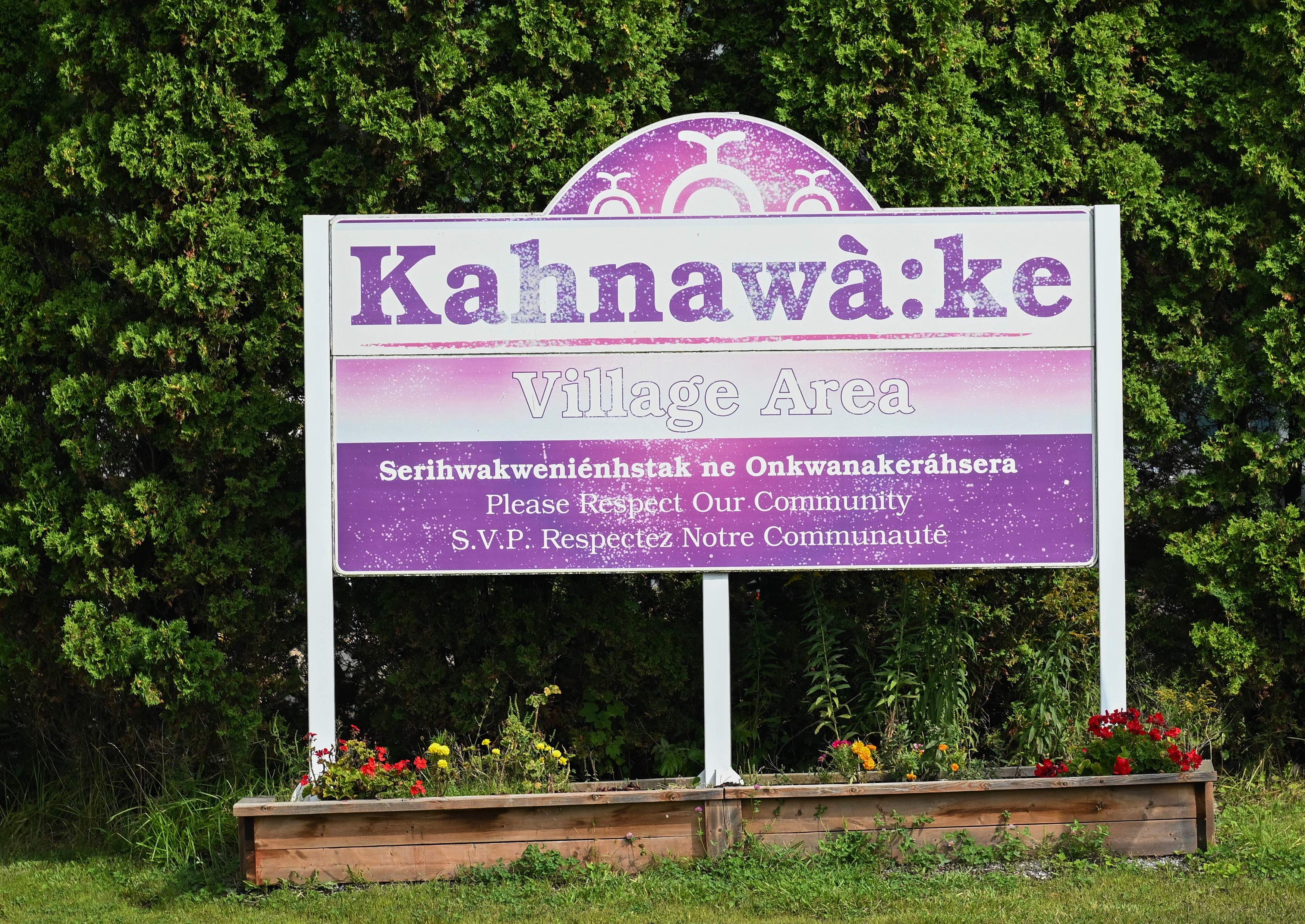
Environmental alerts rarely hit home quite like the recent findings surrounding Kahnawake Survival School. When air monitoring near the Kanienʼkehá꞉ka (Mohawk) community south of Montreal revealed lead concentrations spiking well above provincial thresholds, it wasn't just a statistical anomaly. It was a glaring wake-up call about industrial proximity, cumulative emissions, and the hidden costs of lax oversight near Indigenous lands.
Let's break down what actually happened, why the numbers matter, and what experts are saying behind the scenes.
The Reality Behind the Numbers
According to data released by the Mohawk Council of Kahnawà:ke, air samples taken near the community's eastern boundary and high school showed lead levels running roughly 1.5 times higher than Quebec's standard of 100 nanograms per cubic metre when winds blew from specific directions.
Here is what most casual observers misunderstand about those metrics:
- The Wind Vector Matters: The elevated readings occurred specifically during eastern winds, pointing directly toward nearby industrial zones like the Sainte-Catherine industrial park and operations managed by companies such as Terrapure.
- Cumulative vs. Isolated Impact: Environmental watchdogs emphasize that while individual industrial actors might technically comply with isolated emission caps, nobody is accounting for the cumulative load hitting neighboring communities day after day.
- Historical and Ambient Factors: Heavy metals don't just appear out of nowhere. Soil contamination, heavy vehicular traffic, nearby highway infrastructure, and legacy industrial waste all contribute to a heavy metal cocktail lingering in the local air and soil.
Why Public Health Officials Urge Caution Without Complacency
When news broke, anxiety rippled through parents and students. Public health experts have tried to walk a fine line, stressing that the early results should raise serious concern without sparking blind panic.
The Quebec threshold of 100 nanograms per cubic metre is calibrated as an annual average exposure benchmark. That means brief spikes don't automatically translate to acute poisoning, but sustained high concentrations over months or years present genuine neurodevelopmental and long-term health risks—especially for children and teenagers spending their days in classrooms feet away from the boundary line.
Community leaders like Environment Portfolio Lead Ross Montour didn't mince words, calling the findings "alarming and unacceptable" while demanding full disclosure and immediate remediation from federal and provincial regulators.
The Broader Context of Industrial Encroachment
Kahnawake isn't an isolated case. Across North America, marginalized communities and Indigenous territories bear a disproportionate burden of industrial pollution. From previous alarms over burning plastic odors to alarming levels of lead discovered in local maple sap and soil samples earlier in the year, residents feel like they are living inside an environmental bottleneck.
Schools are supposed to be safe havens. When families have to worry about whether breathing the air outside a classroom poses a toxic risk, the system has fundamentally failed.
Where Things Stand Now
Additional testing and air filtration evaluations are actively underway. The Kahnawà:ke Education Center and local environmental protection units are demanding continuous, transparent data collection rather than one-off studies that leave more questions than answers.
If you live near industrial corridors or want to advocate for better air monitoring in your own region, don't wait for a crisis to check local emission reports. Demand baseline air quality testing, scrutinize zoning laws, and hold industrial neighbors accountable before the damage shows up in the air we breathe.
Action taken into own hands as tests show lead contamination in Mohawk territory
This video explores the grassroots community response and local investigative efforts following alarming lead contamination discoveries in Kahnawake territory.