Five million dollars sounds like a massive check until you see how fast waitlists swallow real money in disability care.
On October 14, 2026, the Manitoba government announced a $5 million provincial funding boost for children's autism programming at St.Amant, drawing from a wider $30 million autism allocation inside the province's 2026 budget. Premier Wab Kinew and Families Minister Nahanni Fontaine paired that announcement with another $1.75 million toward a third out-of-home overnight respite space in Winnipeg, while opening the door for community pediatricians to diagnose children aged five and under for program eligibility.
If you're a parent sitting on a waitlist, a headline about five million bucks feels like relief. Honestly, though, the headline alone leaves out the most practical pieces of the puzzle. It doesn't tell you which programs actually grow, what happens to rural families who still face long drives, or how the province's broader autism strategy bill shifted right after the announcement.
Where the St.Amant Autism Funding Actually Goes
Press releases love big round numbers. Families care about what changes on the ground.
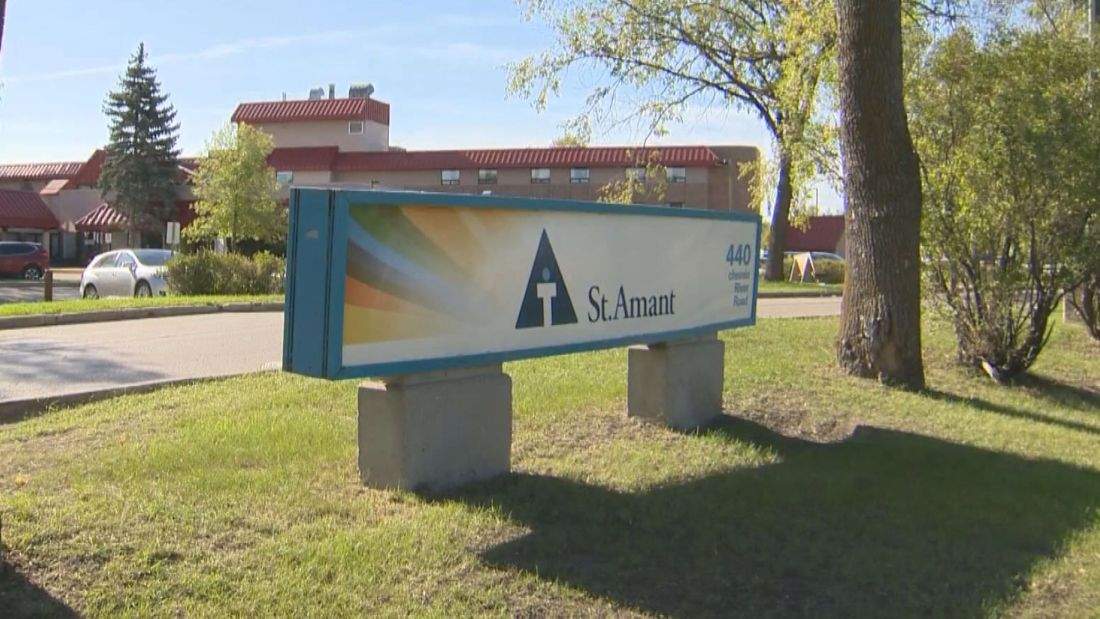
According to Global News and CBC News, the $5 million goes toward expanding therapeutic programming, strengthening behavioral supports, and increasing case-management capacity at St.Amant—a Winnipeg nonprofit with facilities in St. Vital and Brandon that provides developmental disability and autism services. St.Amant president and CEO Ben Adaman noted that the investment is expected to put a real dent in a case-management waitlist sitting near 1,800 families.
Two specific program details stand out for parents trying to figure out what this means right now:
- Pediatric sensory feeding clinic goes permanent: Feeding challenges tied to sensory sensitivities are exhausting at home and often get pushed to the back burner when clinics run on short-term or pilot footing. Making St.Amant's pediatric sensory feeding clinic permanent gives families a steadier clinical anchor.
- Preschool and school-aged support: The funding supports programming for both preschool and school-aged children with autism. St.Amant's Early Learning Program, for instance, pairs behavior analysts with preschoolers who hold a formal autism diagnosis to design Applied Behavior Analysis (ABA) programming for up to 20 hours a week for a year before school entry, with provincial changes aimed at welcoming more preschoolers each year—though exact new spot counts weren't spelled out in the October announcement or CEO's early November update.
Then there's the separate $1.75 million piece for overnight respite. Adding a second Winnipeg respite home alongside St.Amant's existing St. Vital and Brandon homes brings the total to three sites, projected to support up to 35 families once all three are running at full capacity. Thirty-five families across three homes won't meet every request on a busy weekend, yet for parents running on fumes with zero overnight backup, an extra bed in the city matters enormously.
Why Faster Diagnoses for Kids Five and Under Matter
Getting a child into early services often stalls long before therapy even starts. Waiting months—or longer—for a formal diagnostic assessment can eat up critical preschool years.
Manitoba's shift allowing community pediatricians to submit autism diagnoses for children aged five and under for Children's disABILITY Services eligibility tackles that bottleneck directly. Families Minister Nahanni Fontaine pointed to faster connections to support, especially for children in rural areas and First Nations communities where specialty clinic travel is tough.
Still, there's a catch worth keeping straight. Community pediatrician diagnoses help with eligibility pathways, while entry into specialized programs like St.Amant's Early Learning Program still requires a formal diagnosis. If your child is under five and you've been waiting on a specialist referral, asking your community pediatrician what they can submit right now is a smart move—just double-check program-specific intake rules so you don't assume every door opens with the exact same paperwork.
The Gaps and Debates Families Keep Pointing Out
Even supporters of the announcement admit it doesn't fix everything overnight. Premier Kinew said plainly during the October 14 event that the investment won't solve all of the problems, calling it an improvement rather than a cure-all.
Anyone who has worked alongside families navigating disability systems knows why caution is healthy here. Money helps, yet staffing shortages, travel distance, and age cutoffs shape daily life just as much as budget lines.
Rural Access and the Cliff After Age Eighteen
Opposition critics wasted no time pointing out geography. Progressive Conservative MLA Carrie Hiebert, representing Morden-Winkler, argued that funding centered on Winnipeg and Brandon leaves rural families driving hundreds of kilometres for appointments and taking time off work, calling for more professionals outside the city and clearer wait-time data. When a child has sensory meltdowns or medical needs, a multi-hour drive isn't a minor inconvenience. It's a logistical hurdle that makes consistent care hard to sustain.
Age eighteen is another sore spot families bring up constantly. Liberal MLA Cindy Lamoureux highlighted how supports in Manitoba often feel geared heavily toward children up to age 18, pushing adult transition into sharp focus. Around the same stretch in late October 2026, provincial legislation creating a legally required autism strategy—Bill 232—saw committee amendments that would have narrowed the strategy to children, sparking pushback from families before the legislature rescinded those changes and passed the bill unanimously on October 27 with adults included, becoming law on October 29.
That back-and-forth captures the real tension in autism policy. Kids need early intervention now, and adults still need real pathways later. Pit one against the other and families lose trust fast.
What Families Should Watch Next
When government announcements roll out in autumn, real change takes time to show up in intake calls and clinic schedules. Don't expect phone lines to clear the very next morning.
Based on what's been announced by the Government of Manitoba and covered across local reporting, a few practical steps can help you get the most out of these updates without wasting energy:
- Check in on active waitlists and eligibility: If you're waiting on case management or Children's disABILITY Services, confirm your contact details and ask how community pediatrician documentation applies to your child's age bracket.
- Ask specific questions about program intake: If you're eyeing St.Amant's Early Learning Program or sensory feeding services, ask directly about current intake criteria, timelines, and whether services are on-site in Winnipeg or Brandon.
- Plan ahead for respite and travel: If overnight respite is on your radar, ask how allocations work across the three homes—including the newer Winnipeg space slated to open in December—and factor travel time into your routine early.
- Track rollout of the autism strategy: With the province's autism strategy law passed in late October 2026 alongside the $30 million budget allocation, keep an eye on how implementation details roll out for both children and adults.
Five million dollars at St.Amant won't erase every waitlist or close every rural gap in one stroke. Used well, though, it can mean fewer months stuck in limbo and steadier support for families who've been waiting far too long.