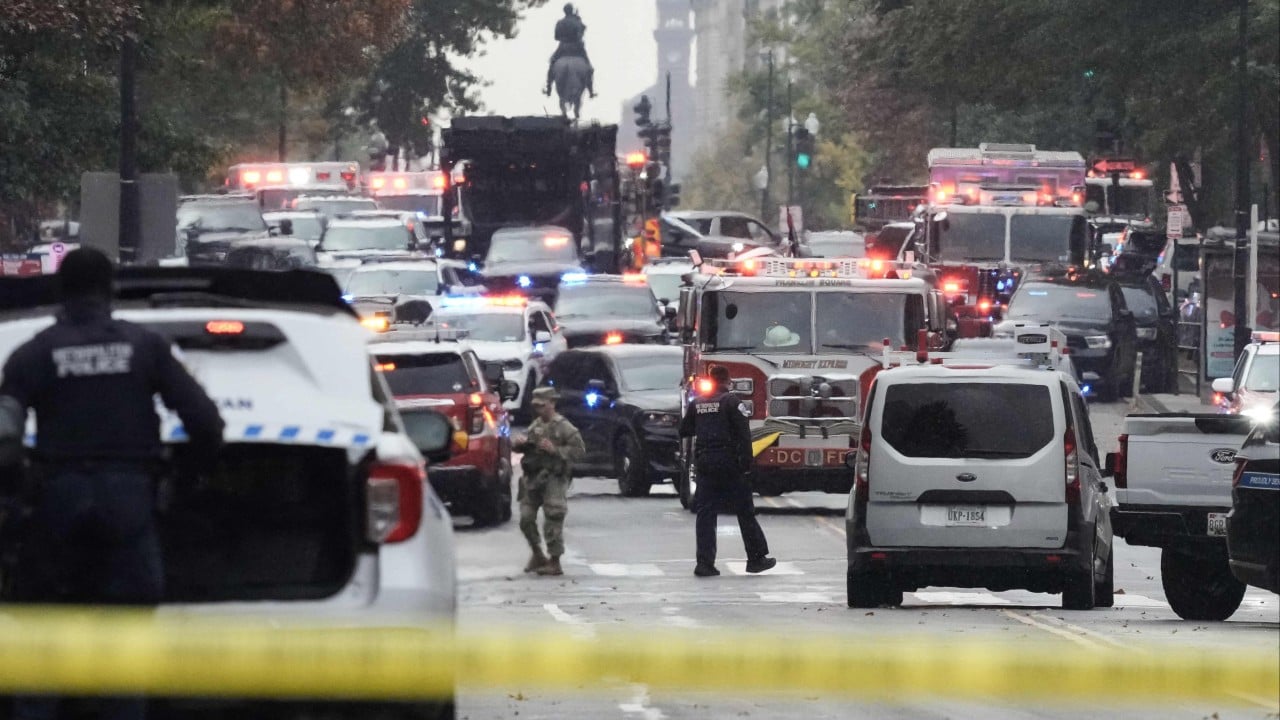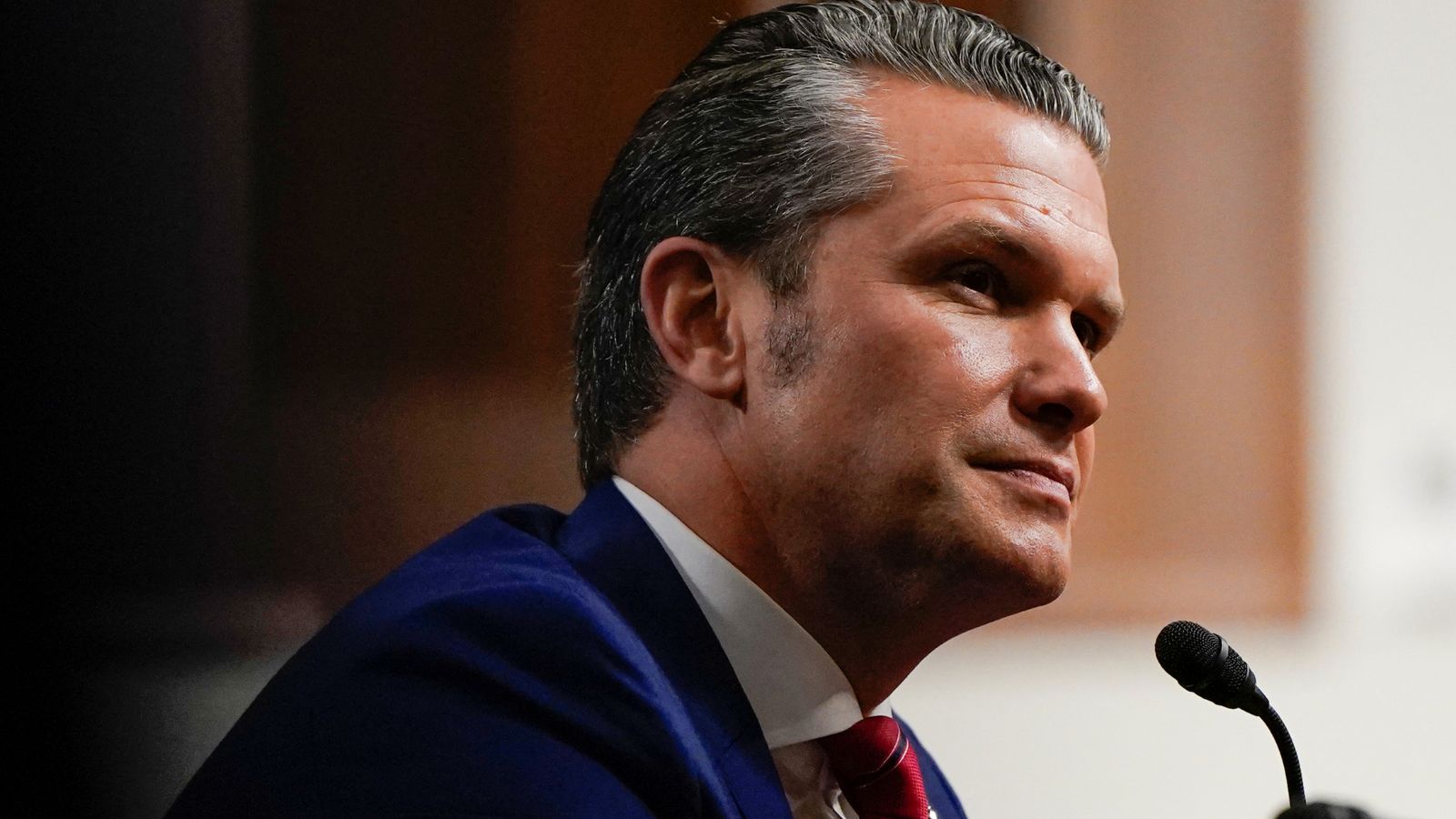
Defense Secretary Pete Hegseth formally recognized the Army Tomb Sentinel who previously reprimanded him during a ceremony at Arlington National Cemetery, turning a viral moment of protocol enforcement into a public display of institutional respect. The recognition highlights a fundamental truth about the United States military. Rank stops at the edge of the marble plaza. When a civilian leader or senior officer steps out of line at the Tomb of the Unknown Soldier, the sentinel on duty holds absolute authority to correct the breach, regardless of who holds the title or commands the Pentagon.
Most observers saw a viral clip and assumed tension. They were wrong. In the culture of the 3d U.S. Infantry Regiment (The Old Guard), correcting a high-ranking official is not an act of insubordination. It is the exact execution of a sacred duty. By returning to honor the soldier who checked him, Hegseth leaned directly into military tradition, signaling to the ranks that the chain of command bends to the standards of the Tomb, never the other way around.
The Anatomy of a Viral Reprimand
To understand why this award matters, you have to look at what actually happens on the plaza at Arlington National Cemetery. Millions of tourists visit the amphitheater every year, watching the precise, twenty-one-step mat walk and the crisp click of steel heel plates. Behind the choreography lies a strict operational mandate. The sentinels are not ceremonial actors. They are active-duty infantrymen executing a continuous, twenty-four-hour security mission that has run uninterrupted since July 2, 1937.
When visitors, dignitaries, or politicians cross a barrier, speak too loudly, or step out of sequence during a wreath-laying ceremony, the sentinel intervenes immediately. The tone is sharp, loud, and unmistakable. "It is requested that everyone remain quiet and standing," or a direct verbal command to step back behind the chains. There is no softening of the voice for a senator, a general, or the Secretary of Defense.
During the incident involving Hegseth, the dynamic played out exactly as the Old Guard manual dictates. Whether a step was taken out of turn or a boundary was encroached upon during a high-profile visit, the sentinel did what every Tomb Guard is trained to do under pressure. He prioritized the dignity of the unknown dead over the comfort of the living powerful. Cameras caught the moment, social media amplified it as a clash of egos, and pundits immediately began speculating about fallout.
They missed the point entirely. In Washington, public correction usually triggers defensive spin or quiet retaliation. Inside the infantry, getting checked by a sentinel when you miss a mark is a badge of honor for the soldier doing the checking—and a humbling reminder for the leader receiving it.
How the Old Guard Enforces Equal Standards
The Tomb of the Unknown Soldier operates under a unique set of jurisdictional rules within the Department of Defense. While the Secretary of Defense sits at the apex of the military hierarchy, the plaza itself belongs to the sentinels on post.
Consider the rigorous selection process required just to stand on that mat. Soldiers must volunteer for duty with the Relief Commanders and Sentinels of the Tomb Guard Platoon, Company E, 4th Battalion, 3d U.S. Infantry Regiment. Fewer than twenty percent of applicants make it through the initial screening, and an even smaller fraction earn the Tomb of the Unknown Soldier Identification Badge, the second-least awarded badge in the United States Army, trailing only the Astronaut Badge.
- Physical precision: Sentinels spend hours daily perfecting the exact geometry of their rifle manuals and marching cadence.
- Uniform perfection: Preparing a single uniform takes up to eight hours of meticulous pressing, measuring with rulers to the fraction of an inch, and polishing brass and leather.
- Historical mastery: Candidates must memorize pages of Arlington history, every grave location of notable figures, and exact protocol sequences before ever walking the mat alone.
- Unwavering authority: Once posted, a sentinel answers only to the Relief Commander for operational execution, empowered to halt ceremonies or remove disruptive individuals on the spot.
This background explains why the soldier did not hesitate when Hegseth breached protocol. Hesitation is trained out of them. If a sentinel allows a Cabinet secretary to bend a rule without correction, the standard erodes for everyone else. The entire psychological weight of the Tomb rests on the absolute uniformity of its enforcement.
Why Hegseth Turned Friction Into Political Capital
Pete Hegseth arrived at the Pentagon with a public persona built around shaking up defense bureaucracy and championing the enlisted warfighter over Washington insiders. Had he ignored the viral clip or let aides quietly complain about the sentinel's tone, he would have fractured his core narrative before his tenure gained traction.
Instead, he chose the smartest available play in the military leadership handbook. He owned the mistake publicly and elevated the soldier who called him out.
"In a healthy military culture, the lowest-ranking soldier enforcing a legitimate standard outranks the highest-ranking official violating it."
By presenting an award or coin of recognition to the sentinel, Hegseth accomplished three distinct objectives simultaneously:
- Validating Enlisted Authority: Junior enlisted soldiers watch closely to see if senior leaders actually live by the "standards and discipline" speeches they give on parade fields. Rewarding a soldier for enforcing standards on the boss sends a shockwave of credibility down to the squad level.
- Neutralizing Media Narratives: A story that began as an awkward gaffe instantly transformed into a profile of humility and mutual respect. Critics who hoped to frame the incident as evidence of unpreparedness lost their leverage the moment the sentinel stood beside him smiling.
- Reinforcing Institutional Norms: Political appointees come and go every few years, while the Old Guard remains permanent. Aligning himself with the uncompromising ethos of Arlington cemented his standing with traditionalists inside the building.
The Fine Line Between Gesture and Substance
Still, seasoned Pentagon watchers know better than to confuse a well-staged photo opportunity with systemic leadership. A coin presentation or commendation takes fifteen minutes on a Friday afternoon. Real alignment with the enlisted force shows up in budget priorities, deployment tempos, barracks conditions, and how whistleblowers or junior leaders are treated when the cameras are turned off.
There is also a subtle risk when senior officials overly dramatize routine protocol enforcement. For the sentinel on the mat, correcting a visitor—even the Secretary of Defense—is just Tuesday. Turning a standard duty performance into a major media event can inadvertently pull the soldier into the political orbit, something the Old Guard fiercely avoids. The Tomb Guards do not seek fame, do not wear name tapes on their ceremonial uniforms so they remain anonymous, and do not give interviews about individual visitors. Anonymity is woven into the fabric of their service so that all attention remains fixed on the sarcophagus, never the individual holding the rifle.
Precedent at the Plaza When Leaders Get Checked
Hegseth is hardly the first prominent figure to feel the sharp edge of a Tomb Guard's voice, nor is he the first to recognize the necessity of it. Over the decades, presidents, foreign heads of state, four-star generals, and celebrity dignitaries have all been corrected on the plaza.
In 2011, during a high-profile visit, a group of photographers and aides stepped onto a restricted perimeter while accompanying senior officials. The sentinel broke cadence, brought his M14 rifle to port arms, and barked a command that froze the entire delegation in place. Nobody complained to the Pentagon. The delegation stepped back, bowed their heads, and let the ceremony proceed.
Similarly, foreign dignitaries unfamiliar with American ceremonial rigidity have occasionally attempted to speak or gesture during the changing of the guard. Every single time, the sentinel intervenes with identical volume and precision. The consistent takeaway across administrations of both parties is simple: you do not argue with the Old Guard, and you never pull rank at Arlington.
What This Means for Military Culture Moving Forward
The modern military often struggles with a widening perception gap between senior leadership and the junior ranks. Enlisted troops frequently voice frustration over perceived double standards—situations where a private faces career-ending punishment for a minor infraction while a senior officer or civilian executive receives a quiet transfer or a pass.
That context makes the Arlington interaction resonate far beyond the gates of the cemetery. When a twenty-something infantryman stands his ground against the most powerful defense official in the world, and that official responds by pinning a commendation on his chest, it temporarily bridges that credibility divide.
Watch how the Pentagon handles the next unavoidable friction point between civilian leadership and military protocol, because true accountability is never measured when the cameras are rolling at Arlington, but in the quiet rooms where unpopular rules are enforced without applause.