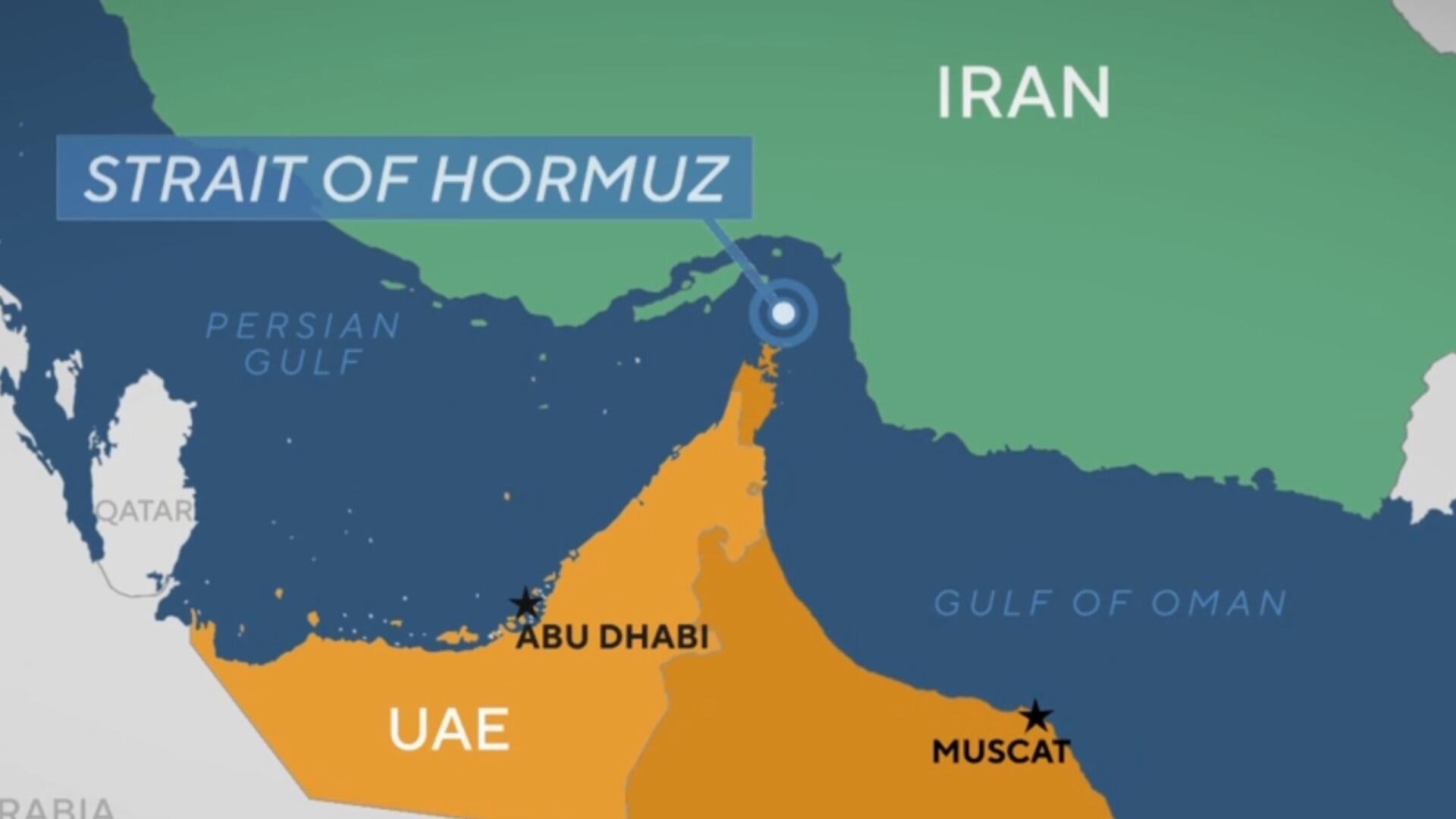
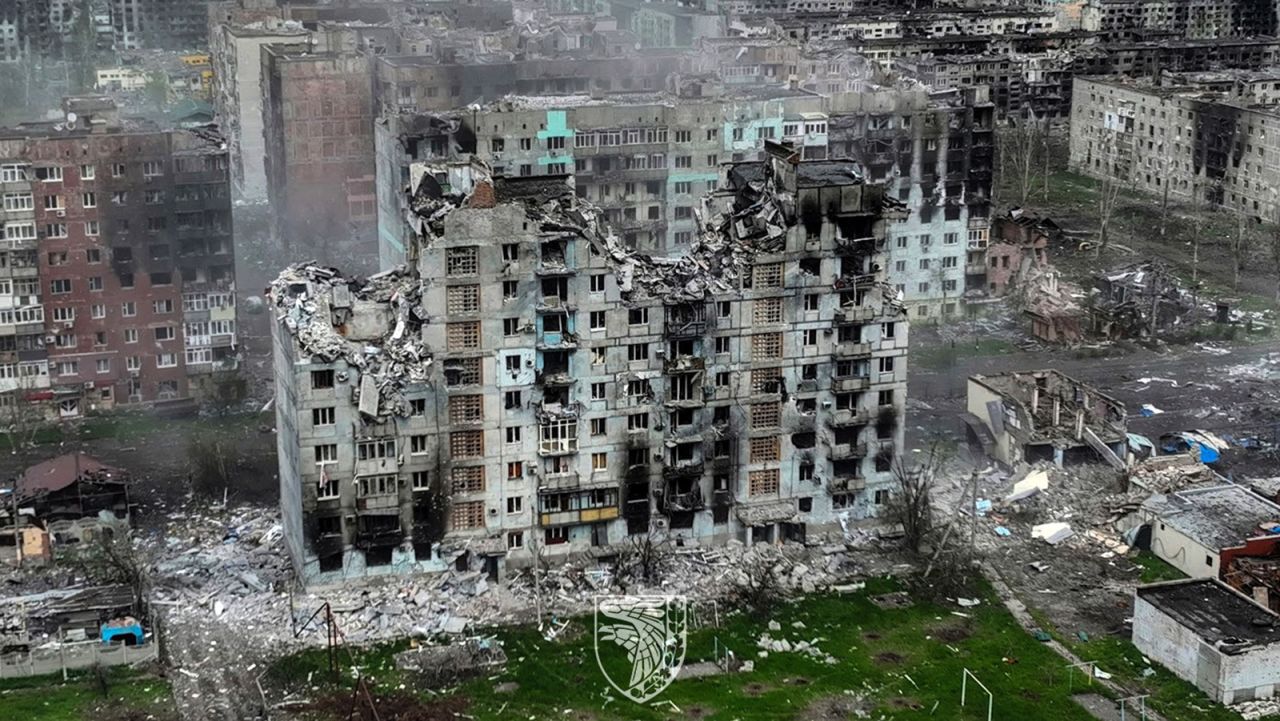
Donald Trump is currently holding the global energy market hostage with a Truth Social account and a naval blockade. By May 2026, the strategy has shifted from the precision "maximum pressure" of his first term to a blunt, existential ultimatum: open the Strait of Hormuz or watch the lights go out across the Islamic Republic. While the White House claims hostilities are "terminated" to dodge a May 1 congressional deadline, the reality on the ground is a suffocating siege designed to break the regime without a full-scale ground invasion. The President has made it clear that if Tehran "misbehaves"—specifically by keeping the world’s most vital oil artery shut—he is prepared to "take out" the country’s entire power grid in a single night.
The 48-Hour Mirage
The recent dance of deadlines reveals a President who views military escalation as a commercial negotiation. On March 23, Trump issued a 48-hour ultimatum to "obliterate" Iranian power plants unless the Strait of Hormuz was reopened. Then, in a signature pivot, he extended the window by five days, citing "very good and productive conversations." This isn't just erratic tweeting; it is a calculated psychological operation. By creating a cycle of imminent destruction followed by a temporary reprieve, Washington is attempting to fracture the Iranian leadership’s internal resolve.
The administration’s "Operation Epic Fury," launched in late February, has already decimated the Iranian Navy and a significant portion of its ballistic missile industry. However, the pivot to targeting civilian infrastructure like power plants and bridges represents a massive escalation in risk. Critics argue this crosses into the realm of war crimes, a charge Trump dismissed at an Easter event with a characteristic shrug: "You know what’s a war crime? Having a nuclear weapon."
The War Powers Deadline Dodge
The biggest hurdle for the White House isn't the Iranian military—it’s the U.S. Constitution. On May 1, 2026, the 60-day clock mandated by the War Powers Resolution of 1973 officially ran out. Under the law, without a congressional declaration of war, Trump is required to withdraw U.S. forces from hostilities.
To circumvent this, the President sent a letter to Congress claiming that because a temporary ceasefire was signed on April 7, the "hostilities" have effectively ended. It is a legal sleight of hand. While the bombing has paused, the naval blockade remains in place, and tens of thousands of troops are still in strike positions. Republicans like Senator Susan Collins and Democrats like Jeanne Shaheen have labeled this a dangerous precedent, but as long as the ceasefire holds—however tenuously—Trump has the breathing room he needs to keep the pressure on without a formal vote for war.
A Regime on the Brink
Tehran is currently navigating its most precarious moment since 1979. The assassination of Supreme Leader Ali Khamenei during the February strikes has left a power vacuum that his son, Mojtaba, is struggling to fill. The "maximum pressure" campaign has evolved into a total economic blackout. With the Strait of Hormuz closed, Iran cannot export its own oil, leading to what Trump colorfully described as "choking like a stuffed pig."
Internal intelligence reports suggest the regime is terrified of its own people. Massive protests sparked by a collapsing economy and failing infrastructure were met with brutal force earlier this year, but a total loss of the power grid could be the tipping point that turns civil unrest into a full-scale revolution. Trump is banking on this. He has openly claimed to have "intercepts" of Iranian civilians begging for the U.S. to finish the job, though he has provided no evidence for these claims.
The Global Energy Fallout
The stakes of this game extend far beyond the Persian Gulf. The closure of the Strait of Hormuz has sent oil prices into a vertical climb, forcing the International Energy Agency to release 400 million barrels from strategic reserves. Trump’s tactic of "energy blackmail" against Tehran is also a gamble with the global economy. By threatening to destroy Iran’s power plants, he is threatening to permanently destabilize a region that provides a third of the world's seaborne oil.
The Pentagon, led by Pete Hegseth, has reportedly prepared a "short and powerful" wave of strikes to break the current deadlock. This plan targets not just military sites, but the very "Stone Age" infrastructure Trump has been promising to return Iran to since his campaign rallies in 2024.
The Empty Table of Diplomacy
Despite the talk of "productive conversations," there is no evidence of a real diplomatic breakthrough. Iran’s Foreign Ministry continues to deny that direct talks are even happening, suggesting the President’s optimistic Truth Social posts are aimed more at calming oil markets than reflecting reality. Turkey and Egypt have attempted to act as intermediaries, but the gap between Trump’s demand for "no nukes, no navy" and Tehran's requirement for survival remains a canyon.
The strategy is clear: keep the blockade tight, keep the bombers fueled, and wait for the regime to either collapse from within or surrender at the table. It is a high-wire act where a single "misbehavior"—a stray drone or a sea mine—could trigger the "tomorrow night" that Trump has been promising.
The blockade continues.