The floodlights at Wembley hum. They cast long, ghostly shadows across grass that has witnessed decades of triumph, heartbreak, and pure, unfiltered joy. For millions, football is not merely a sport. It is an inheritance. A language spoken across backyard fences, dusty pitches, and roaring stadiums. But beneath the surface of that passion, a quiet machinery operates. A machinery of numbers, boardrooms, and ledger books.
Right now, that machinery is shifting gears. And the sound is grinding.
Consider a hypothetical supporter named Marcus. He stands on the terraces every Saturday, rain or shine, wearing a scarf knitted by his grandmother. He does not think about private equity firms. He does not parse the intricate valuation of broadcasting rights or corporate governance structures. Marcus cares about the ninety minutes on the pitch, the smell of damp wool and hot pies, and the sacred bond between his local club and his community.
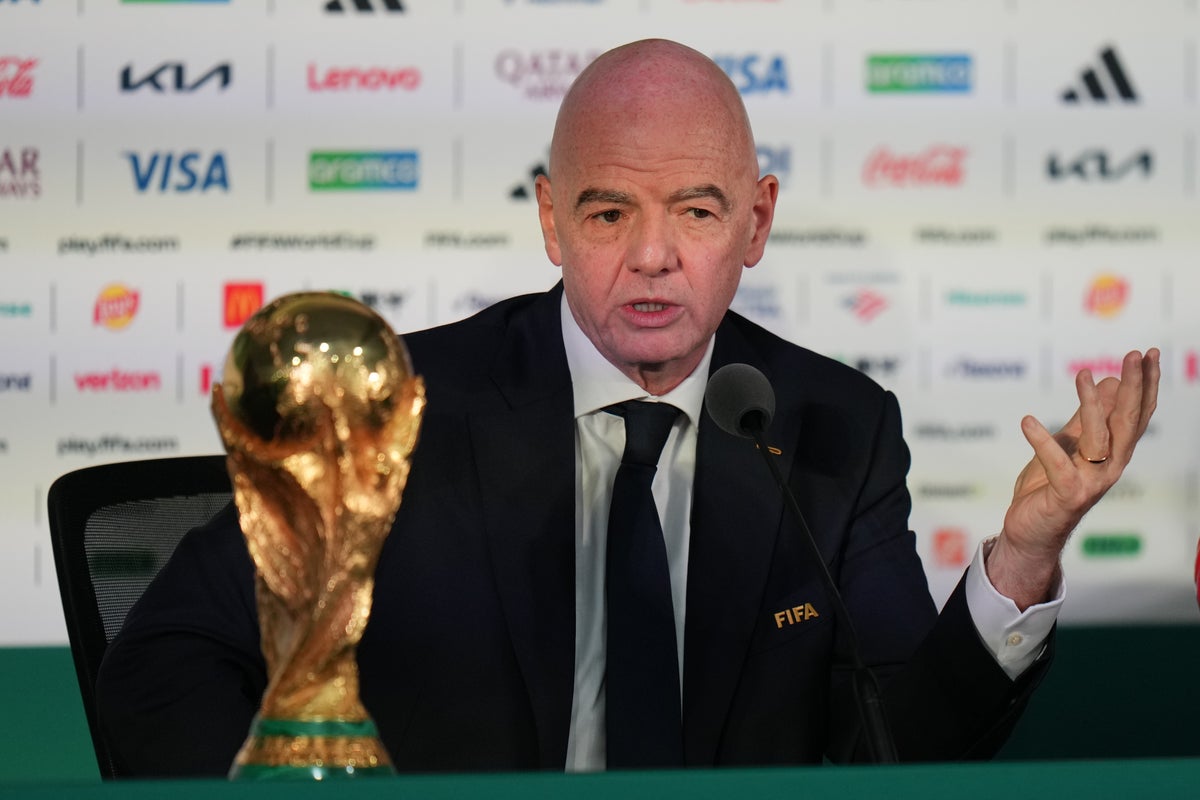
Yet, a seismic shift is underway at the very top of the football pyramid. FIFA, the global governing body of the sport, is pursuing a massive financial restructuring. Reports and leaked documents point toward a staggering four-billion-dollar private equity backing deal. The goal is to expand competitions, fund global development, and consolidate commercial power.
The reaction from traditional guardians of the sport has been swift and sharp. The English Football Association has expressed deep concern. Across Europe, administrators and fan groups are raising red flags. Why? Because when billions of dollars enter the ecosystem from external investors, the gravitational pull of the game changes.
Money talks. Sometimes, it screams.
To understand why this matters to Marcus, we have to look at how money flows through modern sport. Historically, football revenue came from gate receipts, television rights, and sponsorships tied directly to competition performance. It was a closed loop, even with all its flaws and wealth disparities. Clubs generated money; governing bodies distributed it.
When private equity enters the picture, the rules change. Private equity is not a benefactor. It is an investment vehicle seeking returns. High returns. To satisfy investors who inject four billion dollars into an organization, that capital must generate profit. That profit has to come from somewhere.
More matches. More tournaments. Expanded global tours. Higher ticket prices.
The calendar is already stretched to a breaking point. Players speak openly about exhaustion, burnout, and career-ending injuries. Modern athletes run further and faster than ever before, but they are human, not machines. When governing bodies prioritize lucrative commercial partnerships over athlete welfare, the quality of the product inevitably suffers.
Think about the sheer volume of games crammed into a single year. Domestic leagues, continental cups, international windows, expanded World Cups, and now, potentially, brand-new mega-tournaments financed by external capital. The players become commodities on a conveyor belt.
Marcus feels this distance growing. The ticket prices for his club match creep upward every season. Kickoff times are moved to suit international television audiences in different time zones, ignoring the fan who has to catch a commuter train home. The soul of the game is being monetized piece by piece.
When FIFA contemplates a four-billion-dollar cash injection, it signals a fundamental philosophical shift. It moves football further away from a public trust and closer to a corporate asset class.
The Football Association knows this. Their deep concern is not just bureaucratic hand-wringing. It is an acknowledgment that external financial influence weakens the regulatory authority of traditional bodies. If a private equity partner holds massive stakes in the commercial future of international tournaments, whose interests take precedence when a crisis hits? The fans? The grassroots clubs? Or the balance sheet of the investors?
History offers a stern warning. We have seen what happens when massive commercial pressures collide with historic sports structures. The attempted European Super League debacle proved that fans still possess a veto, a voice powerful enough to rattle corporate boardrooms. But that was an open rebellion against a visible threat. This current financial maneuver is quieter. It happens behind closed doors, clothed in the neutral language of economic development and market expansion.
Development is important. Funding grassroots football in emerging markets is a noble and necessary goal. Nobody argues that every corner of the globe deserves access to proper pitches, coaching, and equipment. But funding that development by mortgaging the commercial sovereignty of the global game to private equity creates a dangerous dependency.
Once the capital arrives, expectations follow. Growth must continue. Profits must rise. The engine cannot stop.
What happens to the local club when the global product consumes all the oxygen? What happens to the traditions that took a century to build when every weekend is optimized for maximum global yield?
We stand at a crossroads. One path leads toward sustainable, community-rooted sport where the game belongs to those who play it and watch it. The other leads to an endless, exhausting entertainment complex where fans are reduced to consumers and players to performers on an unyielding treadmill.
The floodlights at Wembley keep humming. Out on the pitch, the grass is still green. But the shadows are getting longer. And the people in the stands are watching closely, wondering how much longer the game they love will still belong to them.