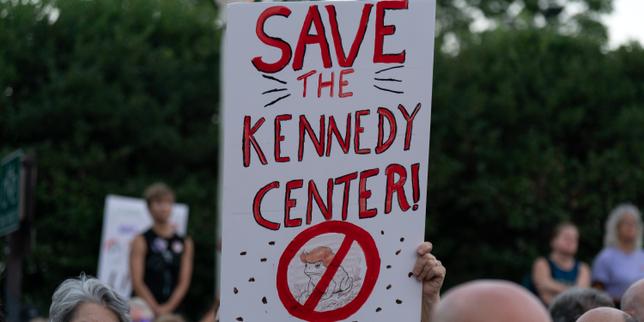
Every election cycle brings the same theatrical ritual. An indie musician gets pushed onto a makeshift truck bed, straps on an acoustic guitar, and belts out a minor-key ballad about deleted voters, vanishing registry rolls, and administrative apathy. The crowd of sign-waving activists cheers. The video clips rack up thousands of impressions by nightfall. Everyone feels like they just participated in a genuine moment of resistance.
It is absolute performance art disguised as civic duty, and it changes nothing.
Let us look past the romantic fog of street theater. When an artist takes a track about systemic bureaucratic erasure and performs it at a neighborhood protest—such as the recurring Cockroach demonstrations—they are not threatening power. They are entertaining the already converted. They are soothing the conscience of an urban creative class that wants to feel radical between morning matcha lattes and evening gallery openings.
I have watched this script play out in various metropolitan capitals for over a decade. I have seen campaigns spend a fortune amplifying protest anthems while actual precinct-level voter rolls remained a disorganized, un-audited mess of clerical errors and deliberate disenfranchisement. Writing a catchy chorus about a dropped name on a list does not compel a single municipal clerk to fix a database. It simply turns a structural engineering disaster into a sing-along.
The lazy consensus in modern political commentary is that cultural artifacts drive institutional reform. If you write a haunting song about missing citizens, the narrative goes, the public conscience awakens, and the machine grinds to a halt out of moral shame.
That is a fairy tale told by people who have never spent twenty minutes inside a municipal elections office trying to reconcile a physical voter list against a digital archive.
Governments do not care about your acoustic arrangements. Bureaucracies thrive on indifference, and indifference cannot be shamed by a well-placed bridge in 4/4 time. In fact, authorities love these protests. A crowd singing a poignant folk song in a plaza lets the state vent its pressure valve safely. Everyone goes home hoarse, exhausted, and strangely satisfied that they spoke truth to power, leaving the underlying data architecture entirely untouched.
The Math of Erasure Versus the Poetry of Outrage
To understand why these musical interventions miss the mark, look at the mechanics of voter suppression in modern democracies. It rarely happens through dramatic, cinematic midnight purges that invite a protest march. It happens through administrative tedium.
Imagine a scenario where a local election commission updates its residential database by cross-referencing outdated postal records with utility bills. Thousands of low-income renters who move every twelve months due to rising urban rents suddenly find their registration flags flipped to inactive. There is no evil bureaucrat stamping rejected on a form with a malicious laugh. There is an outdated algorithmic script running on a server installed during the George HW Bush administration.
Can a protest song rewrite a legacy database query? Can a haunting melody fix a broken address-matching protocol?
Of course not. But blaming a server glitch does not make for a great music video. Protest culture demands a villain with a face, an antagonist you can shake a fist at while an indie artist strums an emotionally charged chord progression. By personalizing systemic incompetence into a cartoonish conspiracy, these musical rallies actively distract people from the boring, tedious, unglamorous work required to actually fix election infrastructure.
If you want to restore deleted voters, stop booking singer-songwriters for plaza gigs and start funding data audits.
The Comfort of Performative Defiance
There is a deep psychological trap at play here. When people feel powerless against massive administrative systems, they seek out communal spaces where that powerlessness feels shared. A protest rally with a dedicated theme song provides that emotional relief. You stand shoulder-to-shoulder with strangers, you sing along with the chorus, and for three minutes, you feel like an army.
Then the song ends. The crowd disperses. The street sweepers clear away the empty coffee cups and discarded placards.
Nothing has shifted. The voter rolls remain corrupted. The registry database is still missing ten thousand names from the working-class districts. But everyone who attended feels like they did their part because the musician made them cry.
This is the definition of comfort food activism. It requires zero technical literacy, zero legal persistence, and zero patience for data entry. It allows well-meaning citizens to outsource their political efficacy to a catchy hook.
I am not arguing that art has no place in social movements. Historically, visual art and music have been vital for morale, solidarity, and rapid communication. But there is a massive gulf between a banner that communicates a clear tactical demand and a self-indulgent ballad mourning a administrative failure while offering zero mechanisms for correction.
What Actually Works When Names Disappear
If we strip away the romanticism, how do you combat institutional erasure?
You do it through relentless, unglamorous procedural friction. You do not sing to the administrators; you sue them. You don't write a poem about missing records; you file freedom of information requests for every single log file generated by the voter registration software. You train hundreds of volunteer paralegals to cross-check municipal housing files against electoral rolls street by street, block by block.
That work does not trend on social media. You cannot put a spreadsheet audit on a streaming platform. There are no soaring guitar solos in a windowless union hall while three attorneys argue over jurisdictional errors in a database schema.
Yet that is where elections are actually won or lost.
The next time an organizer asks you to rally around a new protest anthem about voter suppression, ask them a simple question. How many database administrators have they trained? How many provisional ballot verification workflows have they audited?
If the answer is zero, keep your headphones off and go find a spreadsheet.