Grief rarely announces itself with a trumpet blast. More often, it arrives on a Tuesday morning in the form of an unwashed coffee mug sitting by the kitchen sink, or a sudden, paralyzing silence where a familiar baritone used to rumble through the floorboards.
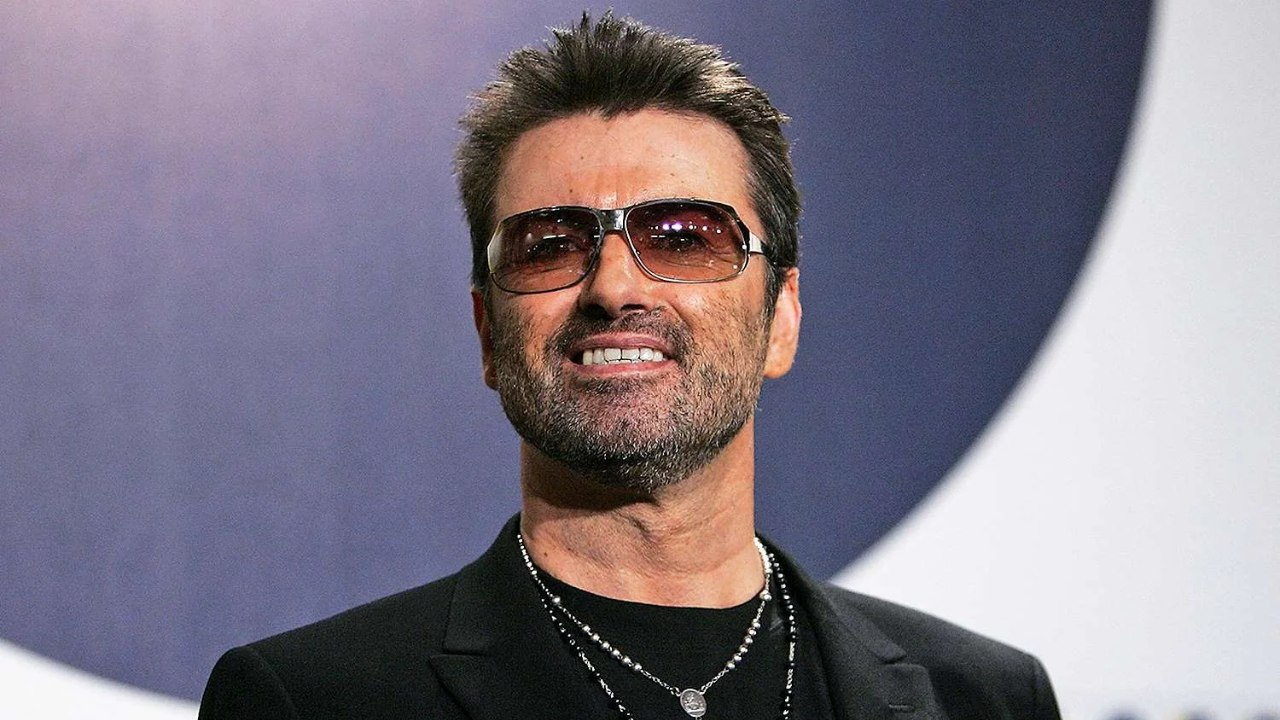
When a titan of the stage and screen leaves the building, the world immediately claims ownership of the ghost. We replay the speeches from the bridge of the Enterprise. We pull up clips of Shakespearean kings weeping in the rain, of mutant professors preaching patience to a terrified world, of a voice so resonant it could rattle the fillings in your teeth. To millions of strangers, Patrick Stewart was an institution—a pillar of British theatrical royalty who spent more than six decades commanding every room he entered.
To Sunny Ozell, he was simply the man who changed her for the better.
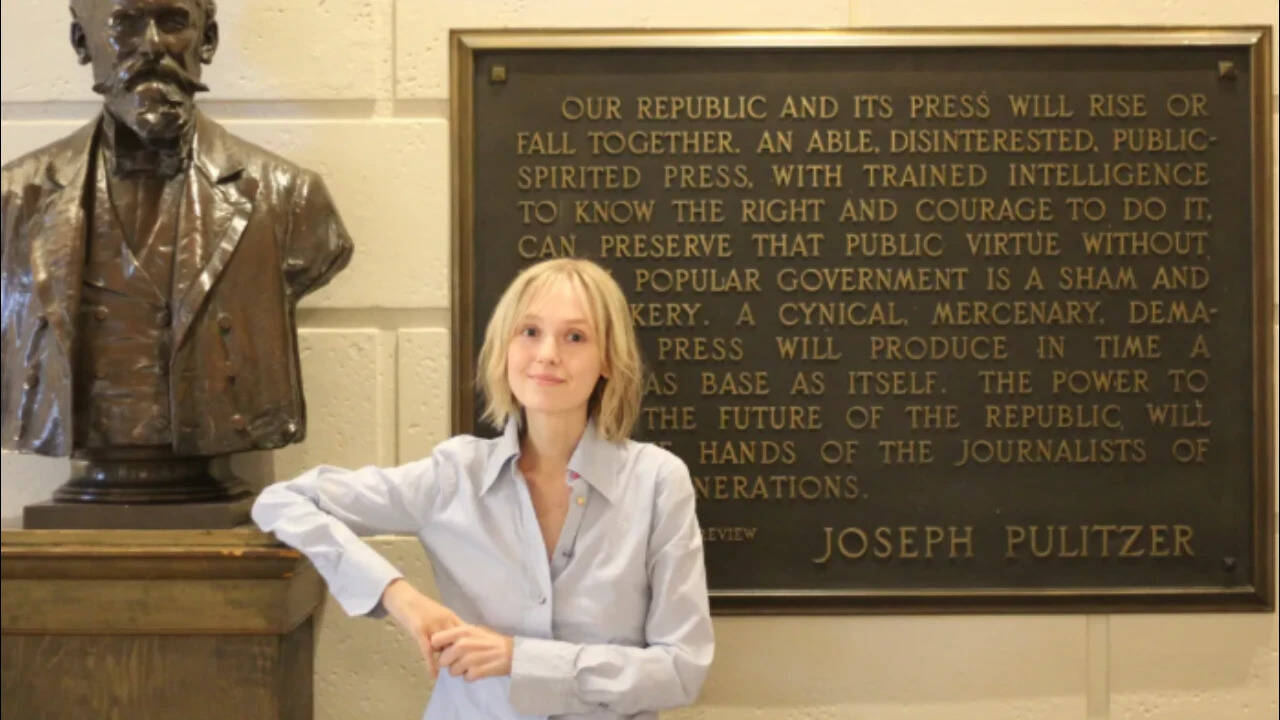
In the wake of Stewart’s passing, Ozell shared a tribute that bypassed the grandiose eulogies we usually expect when a legend dies. There were no sweeping proclamations about his cultural footprint or his knighthood. Instead, there was a quiet, devastatingly intimate truth: "He changed me for the better." Five simple words. Yet inside that modest sentence lies the entire architecture of a remarkable, improbable love story—and a profound lesson about what happens when two people dare to rewrite their lives long after the rest of the world thinks the script is finished.
The Architecture of an Unlikely Beginning
To understand the weight of Ozell’s tribute, you have to rewind the tape to a noisy, dimly lit Brooklyn restaurant in 2008.
Picture the scene. Patrick Stewart, then sixty-eight years old, is performing in a grueling run of Macbeth at the Brooklyn Academy of Music. He is at the absolute summit of his craft, carrying the weight of a storied, complicated past. Behind him lay two divorces, decades of relentless workaholism, and the quiet, lingering bruises of a childhood in Mirfield, Yorkshire, where poverty and domestic violence had taught him early on how to armor himself against the world. By his own candid admission in later years, he had spent much of his life knowing how to command an audience of thousands while struggling to simply sit still in a room with one person he loved.
Across the room at Franny’s, a neighborhood pizzeria on Flatbush Avenue, stood Sunny Ozell. She was thirty, a singer-songwriter with a smoky voice, a fierce independent streak, and a life rooted in the gritty, unpretentious rhythm of New York’s music scene. She wasn't a Starfleet cadet. She wasn't a starstruck fan waiting by a stage door with a Sharpie. She was working, living her life, completely uninterested in the mythology surrounding the bald Englishman eating across the dining room.
Wait. Think about the sheer friction of that premise.
A thirty-eight-year age gap. Two different continents of origin. One person nearing the traditional twilight of a legendary career, the other just beginning to carve out her own artistic space. If you pitched that dynamic to a room full of skeptical studio executives—or, frankly, to most of our own cynical friends—they would have written it off before the appetizers arrived. People love to put love in tidy little boxes. We look at an age difference like that and immediately reach for tired clichés about vanity, power dynamics, or fleeting infatuation.
Even Ozell’s own father, a man not much older than the famous actor courting his daughter, initially raised an eyebrow at the sheer improbability of it all. Nobody had a blueprint for how a knight of the British Empire and a Brooklyn jazz-folk singer were supposed to build a life together.
Yet they did. And they didn't just survive the scrutiny; they dismantled every assumption people made about them.
Why We Misread Late-In-Life Love
I think about that Brooklyn pizzeria often when I watch people in their thirties, forties, and fifties quietly give up on the idea of transformation.
Somewhere along the line, we buy into a subtle, toxic lie: that who we are by age thirty-five is a finished monument, cast in bronze and bolted to the floor. We assume that by a certain point, our habits are too calcified, our defenses too high, and our emotional scars too deep to allow anyone new inside the walls. We start treating relationships like real estate mergers—checking boxes, comparing assets, looking for someone whose pre-existing furniture matches our own without requiring us to knock down a single wall.
Consider what happens next when two people reject that transactional mindset.
When Stewart and Ozell fell in love, neither of them was looking for a trophy or a caretaker. They were colliding at a moment when both had to unlearn their default settings. For Stewart, loving Ozell meant dismantling the armor he had worn since he was a boy listening to his father’s heavy footsteps on the stairs in Yorkshire. In his 2023 memoir, Making It So, he wrote with startling vulnerability about how his past had left him emotionally guarded, terrified of failure in his personal life even as he conquered the world’s greatest stages.
Ozell didn't demand that he become someone else. She simply created a space where the performance could stop.
Imagine what that feels like if you have spent fifty years being watched. Every time Stewart stepped onto a stage or a film set, millions of eyes expected him to be brilliant, composed, larger than life. With Sunny, he could just be Patrick. They spent mornings doing crossword puzzles, cooking meals together, walking dogs, and laughing until they couldn't breathe. She taught him how to play—how to be silly, how to let go of the relentless need to control the narrative, how to exist in the present tense rather than rehearsing for the next curtain call.
And what did he give her in return?
When Ozell says, "He changed me for the better," she isn't talking about red carpets or proximity to fame. Anyone who has ever loved someone truly extraordinary—someone who listens with total, undivided attention—knows the specific alchemy she is describing. To be loved by a person who has lived deeply, made mistakes, survived them, and chosen gentleness anyway is an education you cannot get anywhere else. Stewart brought to their marriage a fierce, unwavering belief in her art, her intellect, and her voice. He showed up to her gigs in tiny, packed clubs, sitting in the back with a drink, beaming like a proud kid. He modeled what it looked like to take the work seriously without ever taking oneself too seriously.
The Invisible Stakes of a Marriage
Let’s strip away the celebrity gloss for a moment and look at the mechanics of what actually makes a partnership transformative.
Most of us think a good relationship is one that keeps us comfortable. We want someone who agrees with our grievances, validates our blind spots, and never forces us to look in an unflattering mirror. Comfort is pleasant. Comfort is easy. Comfort also changes nothing.
Real love—the kind that leaves you fundamentally altered years down the road—is inherently disruptive. It requires you to surrender your favorite defense mechanisms.
Consider a hypothetical scenario to see how this plays out in everyday life. Imagine a woman—let’s call her Elena—who has spent her entire adult life pridefully self-reliant. She never asks for help, keeps her emotions neatly compartmentalized, and treats vulnerability like a structural flaw. Then she meets someone who refuses to accept her rehearsed "I'm fine." He doesn't push aggressively; he just waits patiently in the doorway until she drops the heavy bags she’s been carrying for twenty years. At first, that patience feels terrifying. Being truly seen strips away your camouflage. Over time, however, Elena realizes that her armor wasn't protecting her; it was suffocating her.
That is the invisible stake inside every genuine marriage. You are putting your ego on the table and trusting the other person not to crush it while you are busy growing out of your old skin.
Stewart and Ozell had to navigate that vulnerability under a microscope. In 2013, when they married at Lake Tahoe with Stewart’s lifelong friend Ian McKellen officiating—a detail so joyfully theatrical it felt plucked straight from a screwball comedy—the headlines inevitably fixated on the numbers. Patrick Stewart, 73, Marries Sunny Ozell, 35. The internet did what the internet always does: it reduced a nuanced human bond to a punchline or a debate topic.
They ignored the noise and kept building their life.
Look at the small, unscripted moments they shared over the years. During the global lockdowns of 2020, when the world was paralyzed by fear and isolation, Stewart began recording himself reading a Shakespeare sonnet every single day, posting the videos online as a quiet gift to strangers locked in their apartments. Who was holding the camera? Sunny. Who was sitting just off-frame, offering a quiet chuckle or a gentle critique, grounding the whole endeavor in warmth rather than grandiosity? Sunny.
Those videos became a lifeline for millions of people, not because they were slickly produced, but because you could feel the intimacy in the room. You were watching a man who had reached the summit of his profession spending his afternoons reading poetry to his wife in their living room, letting the rest of us pull up a chair by the fire.
What Remains When the Curtain Falls
There is a particular kind of ache that comes with outliving the person who helped you become who you are.
When you spend nearly two decades woven into another human being’s daily existence, their voice becomes part of your internal monologue. You reach for your phone to tell them a ridiculous thing you just saw on the street before remembering they aren't there to pick up. You hear a piece of music and automatically turn toward the empty chair next to you to see if they caught the chord change.
Grief is simply love with nowhere left to land.
Yet when Ozell stepped forward to speak about Stewart after his death, she didn't frame their story as a tragedy of loss. She framed it as a triumph of transformation.
"He changed me for the better."
Pause and let the quiet power of that statement sink in. It is the highest praise one human being can ever offer another. Not he made me rich. Not he made me famous. Not even he made me happy, though joy was clearly the currency of their days together. Happiness is weather; it passes through, brightens the afternoon, and eventually gives way to clouds. Being changed for the better is climate. It alters the soil you grow in long after the sun has gone down.
Think about the people in your own life right now. If you had to summarize the impact of your closest relationships in a single, unadorned sentence, what would that sentence be? Would it be a tally of favors exchanged and obligations met? Or could you look at the person sitting across the dinner table from you and honestly say that your soul has sharper edges, deeper empathy, and wider horizons simply because you shared space with them?
We spend so much energy chasing legacy—trying to build monuments, pad resumes, or leave behind proof that we mattered. Patrick Stewart had every monument an actor could possibly dream of. His name is etched into theater history, television lore, and the collective memory of generations who learned courage, decency, and curiosity by watching him work.
None of that is what Sunny Ozell held onto when the house grew quiet.
She held onto the man who taught her how to be braver, softer, and truer to herself. She held onto the private alchemy that happens when two wildly different lives collide, drop their defenses, and decide to grow toward the light together—regardless of what the clock says, regardless of what the critics whisper, regardless of how little time might be left on the reel.
The stage lights eventually dim on all of us. The applause fades into the rafters, the marquee goes dark, and the crowds file out into the night. What survives the dark isn't the size of the audience we commanded. It is the quiet, permanent mark we leave on the one person who knew us without our makeup on.