Midnight in Doha rarely feels quiet. The desert heat holds the concrete in a vice grip long after the sun dips below the horizon, while out in the sprawling waters of the Persian Gulf, silent metallic leviathans load supercooled breath into double-hulled steel. This is the North Field. It is the largest single non-associated natural gas field on the planet, an invisible engine room that hums beneath the dark waves.
Stand on the docks of Ras Laffan at three in the morning and you can smell it—nothing. Natural gas at minus one hundred sixty-two degrees Celsius is odorless, tamed, and locked away. But watch the faces of the control room operators staring at banks of green and amber telemetry screens. They aren't looking at engineering diagrams. They are looking at the global pulse. They know that a single valve failure here causes a ripple effect that can plunge a home in Osaka or Seoul or Antwerp into freezing darkness six thousand miles away.
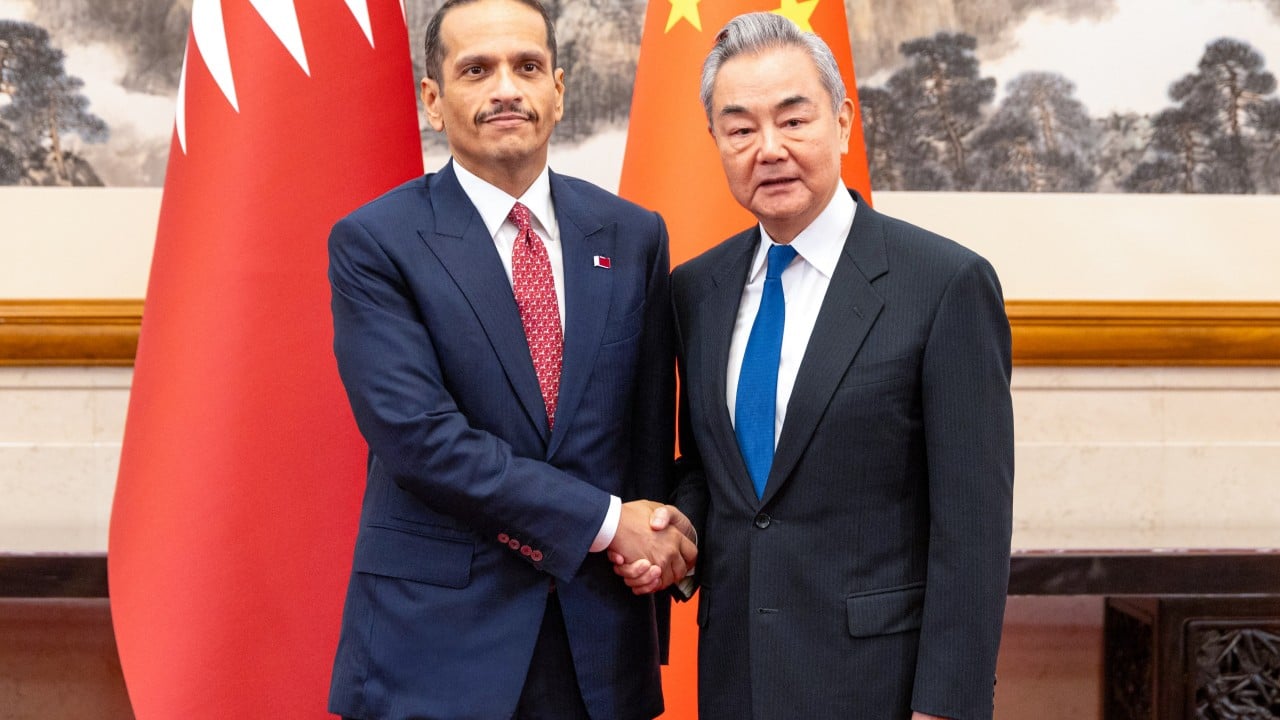
When Qatar’s Prime Minister stepped forward recently to make a quiet, unyielding declaration—vowing to prioritize Beijing’s energy supply despite escalating regional turbulence—the media treated it as a chess move. Another geopolitical headline. A transactional exchange of molecules for currency.
They missed the human pulse entirely.
Consider what happens next when the Middle East catches fire. The airwaves fill with panic. Tanker insurance rates spike. Ships reroute, burning extra bunker fuel, stretching supply chains thin. In a hypothetical suburban kitchen in Hebei Province, a mother turns on her gas stove to boil water for morning tea before her children wake for school. The blue flame ignites instantly. She does not think about maritime choke points, diplomatic communiques, or liquefied natural gas pricing indices. She simply feels the warmth.
That unbroken blue flame is the tangible result of a very specific, deliberate choice made in the boardrooms of Doha.
Energy security is rarely spoken of as an act of trust, yet that is precisely what it is. For decades, Qatar has carved out a unique role as the Switzerland of the Gulf—maintaining channels with everyone, aligning its economic destiny with the absolute reliability of its word. When regional tensions fray nerves, lesser suppliers might panic, hoarding capacity or bowing to erratic political pressures. Qatar does something different. It honors the ledger.
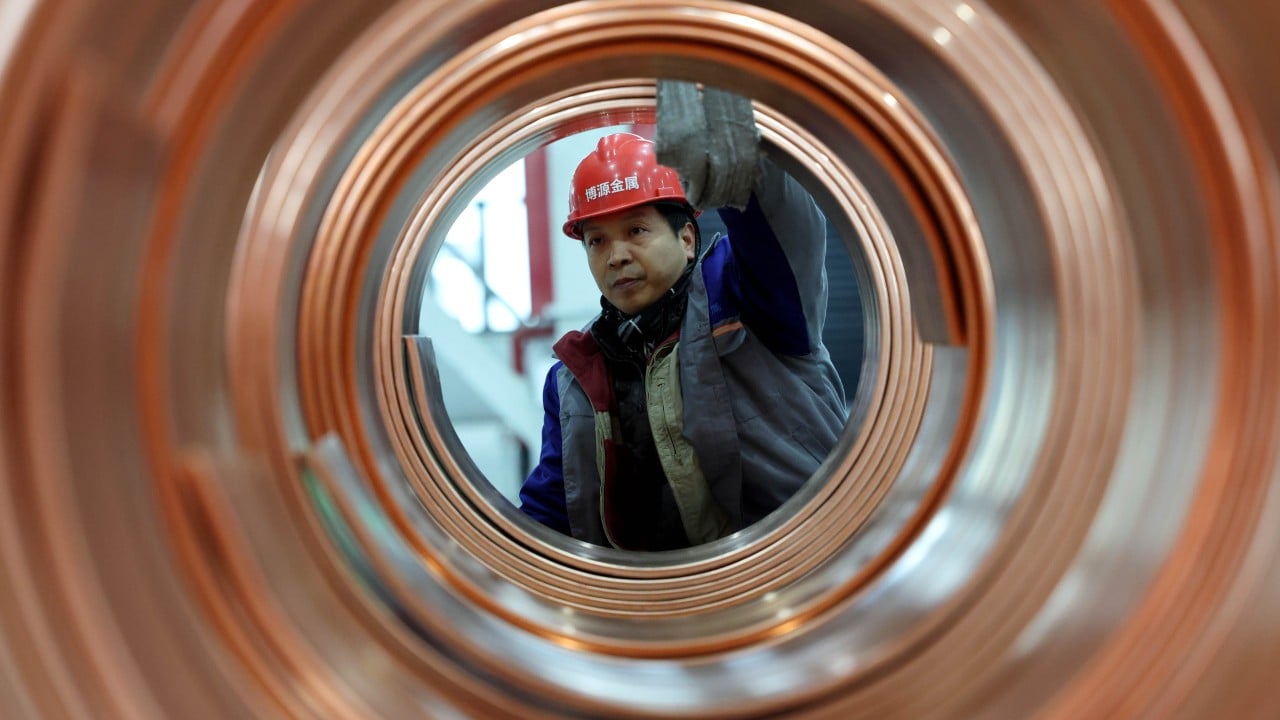
To understand why this matters, you have to look past the macroeconomics and step into the shoes of an industrial planner in Tianjin. Imagine standing inside a chemical processing plant that consumes more electricity than a small city. The boilers cannot stop. If the fuel stops flowing for even forty-eight hours, the internal pipes cool, warp, and crack. Millions of dollars in capital turn to scrap metal. The workers lose their shifts. The local economy stutters.
Energy supply is not a spreadsheet item. It is a breathing contract between strangers.
When the Prime Minister of Qatar made his pledge to safeguard China’s energy flow through the storms of regional instability, he was dealing in the oldest currency known to trade: predictability. In an era where global supply chains shatter at the slightest geopolitical tremor, predictability is the most valuable commodity on earth.
China takes the lion's share of this supercooled cargo for a simple reason. Its industrial heartbeat requires a baseline input that cannot be compromised by political weather. Long-term sales and purchase agreements spanning twenty-seven years are not signed lightly. They represent an intergenerational handshake. They mean that engineers who are currently in elementary school will one day operate power plants fueled by gas extracted under contracts signed today.
Yet, holding this line is terrifying.
Walk through the corridors of power in Doha, and you feel the weight of the tightrope walk. To the west, traditional security umbrellas loom large. To the east, the world's most voracious industrial consumer demands certainty. In the middle sits a small peninsula nation navigating a volatile neighborhood with the precision of a master watchmaker. One misstep, one perceived slight, and the delicate balance shatters.
This is where the human element reasserts itself. Diplomacy at this level is not conducted by abstractions. It is carried out by tired men and women drinking black coffee in air-conditioned conference rooms at dawn, negotiating terms not out of ideological affinity, but out of a shared, pragmatic realization: the lights must stay on.
We live in a world terrified of its own fragility. Every news cycle brings a new warning about fractured alliances, broken treaties, and resource wars. We brace for impact. We assume that the first sign of regional chaos will cause every fragile international agreement to disintegrate into self-preservation and chaos.
Qatar’s stance offers a different narrative. It suggests that economic interdependence can sometimes act as a ballast against total collapse. When billions of dollars and millions of lives depend on a pipeline remaining open and a tanker reaching its port, nations often find a strange, hard-nosed sobriety. They realize that chaos is bad for business, but absolute reliability is immortal.
Out in the Gulf, the loading arms continue their mechanical dance. A massive carrier detaches from its berth, its hull riding low in the water, heavy with the compressed breath of the desert floor. It turns its bow toward the eastern horizon, cutting through the dark water toward a distant harbor where a kitchen stove waits to be lit.