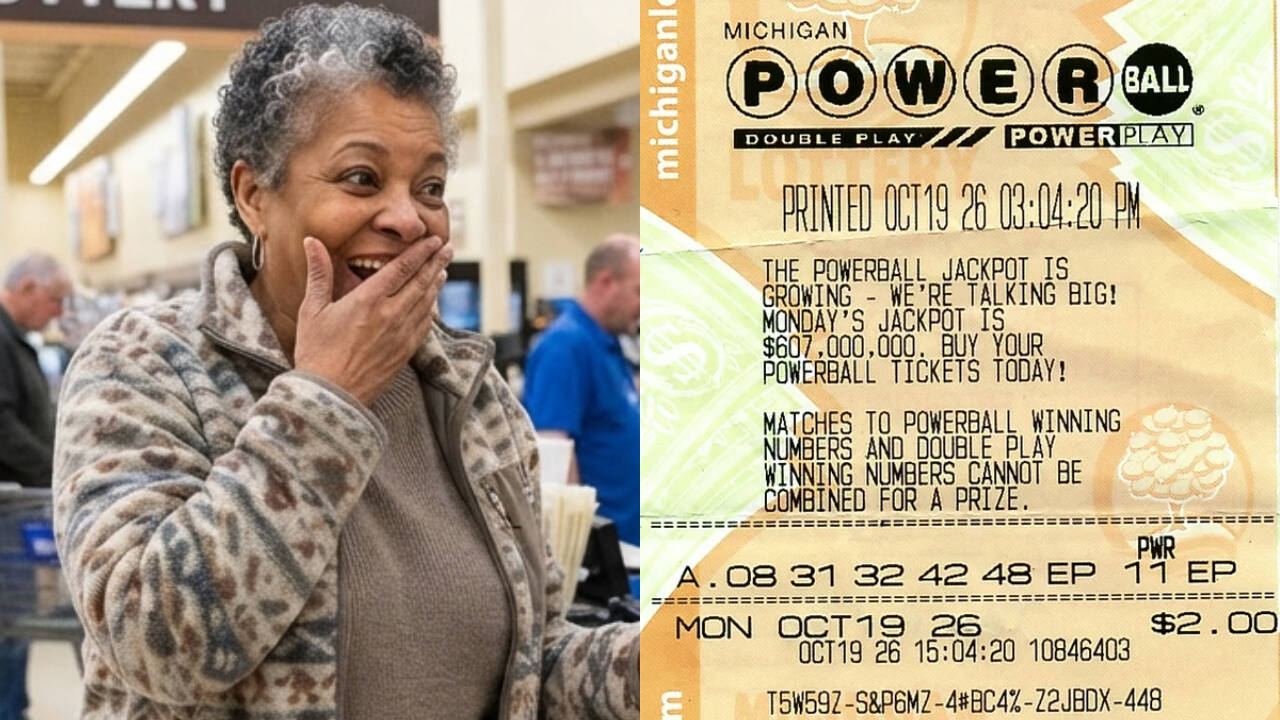
A million dollars sounds like a yacht. It sounds like champagne in plastic cups on a charter boat, or resigning in a blaze of glory while a coworker films the exit on a smartphone.
In real life, a million dollars often sounds like a furnace kicking on without a hiccup. It sounds like a mortgage statement turning from a monthly knot in the stomach into a piece of paper you can finally recycle. If you enjoyed this piece, you should read: this related article.
When a Michigan woman wins a million-dollar Powerball prize and announces that her first move is paying off her mortgage, the internet usually shrugs. People want fireworks. They want supercars, world tours, and dramatic transformations. Paying off a house feels almost stubbornly ordinary—like buying sensible shoes after finding a suitcase of cash.
Yet there is a quiet revolution tucked inside that ordinary choice. Most of us spend our adult lives trading hours of our youth for the right to keep sleeping under the same roof. Every month, a chunk of our paycheck vanishes into principal, interest, property taxes, and insurance before we even buy groceries or fix a leaky faucet. Even when things go right, that recurring obligation hovers in the background like low-grade static. You can tune it out for weeks at a time. Then a layoff rumor circles the office, or a transmission dies on a Tuesday morning, and suddenly the static gets very loud. For another perspective on this story, refer to the recent coverage from Glamour.
That is why a million-dollar lottery ticket aimed straight at a mortgage hits a nerve far deeper than a flashy shopping spree. It isn't just about real estate equity. It is about reclaiming time, lowering the emotional volume in a house, and discovering what happens to a person when the largest monthly bill on the kitchen counter simply stops arriving.
The Weight of the Monthly Ledger
To understand why clearing a mortgage feels so radical, look at how modern households are built. For decades, owning a home has been sold as the centerpiece of stability—a rung on the ladder of middle-class security. There is real truth in that. Unlike rent, which disappears forever the moment the month ends, mortgage payments slowly build ownership in a physical asset. Over fifteen or thirty years, disciplined payments turn borrowed money into something solid you can pass down or borrow against.
Still, ownership on paper is different from freedom in your chest. A mortgage is a contract with the future. It assumes your health holds up, your industry doesn't get hollowed out, and your energy stays high enough to keep showing up year after year.
Consider what happens next when that assumption gets tested. Let's use a hypothetical scenario to trace the invisible pressure that rarely shows up on a bank statement. Imagine a woman in her late forties—let's call her Denise, though she is purely a composite character created to illustrate common household math—living in a modest two-story home in the Midwest. She works full time, keeps a tidy budget, and hasn't missed a payment in eleven years. On paper, she is doing everything right.
In practice, her days carry an unspoken tax. When a manager asks her to stay late for the third time in a week, she swallows her exhaustion because steady income keeps the house safe. When a sibling suggests a weekend trip two states away, she hesitates, calculating gas, meals, and dog care against the auto-draft scheduled for the first of the month. The house protects her from the elements, yet the loan tied to the house quietly dictates how bold she feels allowed to be.
That tension isn't unique to Michigan or to lottery winners. Behavioral economists have long observed that financial stress narrows our bandwidth. When fixed monthly expenses eat up too much of a household's breathing room, even small surprises feel like threats. You don't have to be behind on bills to feel behind on life. Sometimes you are simply carrying too much weight on autopilot.
I know that autopilot feeling firsthand. Years ago, during a stretch when freelance work dried up right as a major bill came due, I sat at my kitchen table staring at a spreadsheet that looked neat on the surface and terrifying underneath. Nothing was on fire that afternoon. The lights were on. The pantry had food. Yet my jaw ached from clenching it all day, and every chime of my phone felt like bad news waiting to happen. That experience taught me something money textbooks rarely emphasize: financial relief isn't just having more dollars in an account. It is having fewer traps waiting to spring if your luck turns sideways.
What a Million Dollars Actually Buys After Taxes and Reality
Lottery headlines love big round numbers. A million dollars looks enormous when printed in bold type across a screen. Once real life enters the room, the math gets much more grounded.
In the United States, lottery winnings are treated as taxable income. Depending on whether a winner takes a lump-sum payout or an annuity—and what federal and state tax rules apply in the year of the win—a headline million-dollar prize shrinks noticeably before it ever touches a checking account. Even after taxes, a net windfall of several hundred thousand dollars is still life-changing money for most families. It just isn't "never look at a price tag again" money.
Think of a net lottery payout like a warm coat in late autumn. It won't stop a blizzard on its own, and if you wear it carelessly near a campfire, you can ruin it. Put it on properly, though, and a bitter wind stops cutting right through you.
That distinction matters when someone decides to pay off a mortgage. If a homeowner still owes, say, $160,000 or $220,000 on their house, wiping out that balance with after-tax winnings can consume a substantial share of the prize. Critics sometimes argue that paying off a low-interest mortgage isn't the most mathematically aggressive move if the stock market might return more over ten or twenty years.
Numbers people love that debate. They pull out compound interest charts and compare guaranteed interest savings against projected market gains. And on pure spreadsheets, they often have a point—especially when interest rates are low or when a person has decades left to invest.
Spreadsheets, however, do not feel dread.
A spreadsheet cannot tell you what it feels like to wake up at three in the morning knowing that even if your hours get cut next quarter, nobody can foreclose on a roof you already own free and clear. Guaranteed debt elimination delivers an immediate, zero-risk return: every dollar of monthly principal and interest you no longer owe is a dollar that stays in your pocket regardless of what Wall Street does next month.
There is another layer people overlook, too. Paying off the loan doesn't erase property taxes or homeowners insurance—those bills stick around forever—but removing the lender's claim changes the entire geometry of a household budget. Suddenly, a modest paycheck stretches twice as far. Part-time work stops looking like a downgrade and starts looking like a choice. Starting a small business or caring for an aging parent becomes financially survivable without draining retirement accounts.
The Questions Everyone Quietly Asks After a Win
Whenever a story breaks about an ordinary person hitting a major lottery prize and heading straight for their mortgage lender, the same practical questions ripple through coffee shops and group chats. People want to know how the process actually works, whether paying off a house is smart, and what happens the day after the check clears.
First comes the logistics. You don't just walk into a bank with a giant novelty check and snap your fingers. Winning a Powerball prize—even a $1 million match of the five white balls without the Powerball—requires claiming the ticket through the state lottery authority, completing tax paperwork, and waiting for funds to be disbursed. Once the money arrives, paying off a mortgage means requesting a formal payoff quote from the loan servicer, since daily interest accrues right up to the day the balance is settled. A payoff amount isn't identical to the current principal balance shown on a routine monthly statement; it includes per-diem interest and any small administrative fees required to close the account and release the lien.
Second comes the emotional whiplash. Sudden windfalls carry strange psychological weight. Financial planners regularly warn that winners face pressure from relatives, awkwardness with neighbors, and the temptation to make sweeping purchases while adrenaline is still high. Paying off an existing mortgage is one of the few moves that channels sudden money into something quiet, private, and grounded. You don't have to park a flashy car in the driveway to announce that your life changed. The change happens inside the walls you already know.
Third comes the lingering doubt: What if I spend it all on the house and wish I had cash left over? That is a fair question, and there is no single right answer for every household. Someone with zero emergency savings and no retirement cushion needs liquid reserves alongside lower monthly bills. Someone whose basic housing cost is already locked out of their budget, on the other hand, has built a sturdy floor beneath everything else they do next. Even if a portion of the winnings goes toward clearing the mortgage, keeping a dedicated cash reserve and investing thoughtfully can turn relief into lasting stability.
Why Ordinary Dreams Feel So Subversive
There is something quietly rebellious about wanting peace more than spectacle.
Pop culture trains us to measure big wins by how loudly they disrupt a life. We expect dramatic quits, luxury upgrades, and reinventions that look good in photos. When a Michigan resident wins a million-dollar Powerball prize and chooses to pay off a mortgage, the story refuses to play along with that script. It treats stability as the main event.
Consider what a paid-off home actually represents in an era of rising costs, shifting job markets, and constant economic noise. Housing is the anchor of daily life. When that anchor is secure, storms outside feel less like existential threats and more like weather you can ride out. You can say no to a toxic job without panicking about next month's payment. You can breathe a little deeper when a surprise bill arrives. You can stop treating every single paycheck like a hostage negotiation with fixed overhead.
No, a lottery ticket isn't a retirement plan for everyone, and odds of hitting big prizes remain steep. Most of us will build security the slow way—one budget adjustment, one extra payment, one careful decision at a time. Yet watching someone take a sudden stroke of luck and use it to silence their biggest recurring worry reminds us what we are actually chasing when we talk about financial freedom.
We aren't really chasing gold-plated faucets. We are chasing quiet mornings. We are chasing the right to walk across our own floorboards without feeling like the bank owns half the air in the room.
Picture a quiet Tuesday morning a few months after the payoff clears. The mail carrier drops a thin envelope into the box, the kind that used to carry a bill demanding hundreds or thousands of dollars by the first of the month. Instead, the account is closed, the lien release is filed, and the house stands paid in full. Coffee cools in a chipped ceramic mug on the counter, sunlight cuts across the kitchen floor, and for the first time in years, the silence in the house doesn't sound like worry.