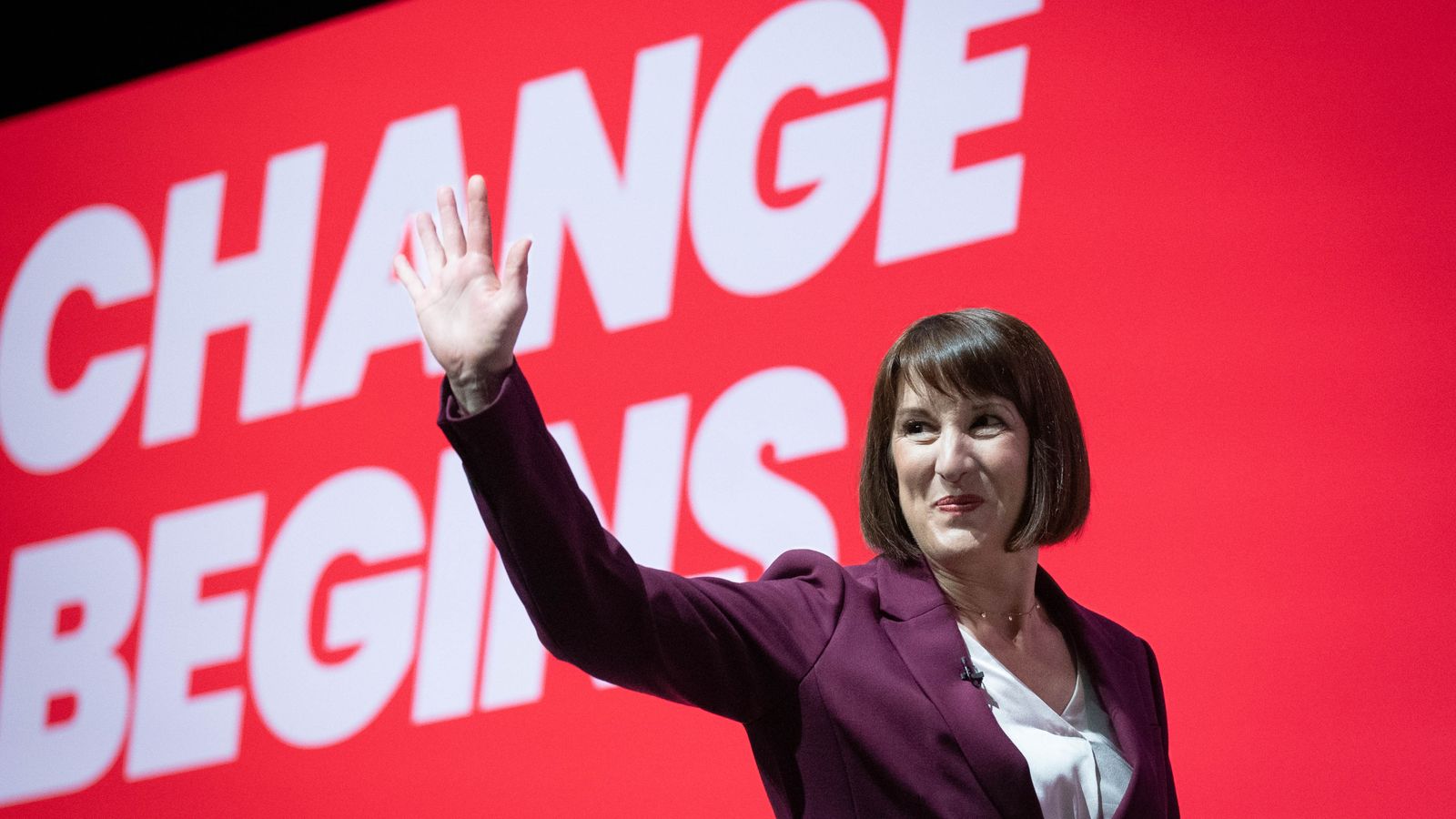
Rachel Reeves isn't holding back anymore. The UK Chancellor just used the word "folly" to describe the US-led war in Iran, and honestly, she's hitting the nail on the head. We're looking at a global economic mess that was completely avoidable. When Reeves sat down with the Mirror this week, she didn't just offer the usual diplomatic fluff. She sounded genuinely angry. She talked about the lack of an exit plan and the sheer frustration of watching a major ally dive into a conflict that's now choking the British economy.
It’s not just talk. The numbers backing her up are grim. The International Monetary Fund (IMF) just slashed the UK’s growth forecast for 2026 down to a measly 0.8%. That’s a direct hit from the chaos in the Middle East. If you’ve noticed the price of petrol or diesel creeping up—petrol is up 19% and diesel 34% since this started in February—you're feeling the "folly" Reeves is shouting about.
The high cost of a war without a plan
The biggest beef Reeves has with Washington right now is the total absence of a strategy. It's easy to start a war. It's much harder to finish one. She’s pointed out that the US went into this without a clear idea of what "winning" even looks like. Because of that, the Strait of Hormuz is basically a no-go zone.
Think about that for a second. A fifth of the world's oil and gas passes through that tiny stretch of water. Now it’s blocked. Iran is hitting ships, and the US is trying to run its own blockade. It’s a disaster for global shipping lanes. Reeves was blunt: "I feel very frustrated and angry that the US went into this war without a clear exit plan." She’s right to be. When the world’s superpower starts a fire in the world’s gas station without a fire extinguisher, everyone gets burned.
Why the UK is staying out of the blockade
There’s been a lot of pressure on Keir Starmer to send the Royal Navy in to help the Americans. Reeves and Starmer have said a firm "no." The UK is keeping its distance from the US blockade because, as Reeves puts it, it’s just not the right approach. Our focus is on de-escalation, not jumping in feet first.
The UK does have mine-sweeping capabilities, and there’s a lot of talk about using those to help reopen the strait eventually. But right now, the government is refusing to be "dragged in." It’s a risky move that’s drawing fire from the Conservatives and Reform UK, who think we should be standing shoulder-to-shoulder with Trump. But for Reeves, the priority is the British taxpayer, not a foreign war that feels increasingly like a tactical blunder.
Energy security is the new national security
This conflict has exposed exactly how vulnerable we still are to global energy shocks. Reeves is using this moment to double down on home-grown energy. She’s basically saying that if we don't want our economy held hostage by every flare-up in the Middle East, we need to stop relying on imported gas.
- Inflation is the enemy: The war has pushed inflation back up to 3%, making it harder for the Bank of England to cut interest rates.
- Petrol prices: Expect these to stay high as long as the Strait of Hormuz is contested.
- Economic growth: We’re now looking at the slowest growth among the G7 nations.
Reeves is heading to Washington for the IMF spring meetings with a clear message: the world needs coordinated action to fix this economic shock. She isn't just complaining; she’s looking for a way to "supercharge" energy security across the West.
The Trump factor and the special relationship
Let’s be real. Criticizing a sitting US President this harshly is a massive deal. For months, the Starmer government was careful. They didn't want to ruffle feathers after Trump returned to the White House. But the "folly" of this Iran war seems to have been the breaking point.
Reeves made it clear that while she doesn't support the Iranian regime—no sensible person does—the way this war was launched was irresponsible. It’s a direct critique of the "shoot first, ask questions later" style of foreign policy. It marks a significant cooling of relations between London and Washington.
If you're worried about your mortgage or your energy bills, you should be paying attention to this. The "folly" Reeves describes isn't just a political disagreement. It’s a direct threat to your wallet. The UK's best bet now is to stick to its guns on de-escalation while frantically building up its own energy independence.
Don't expect energy prices to drop overnight. The best thing you can do right now is keep an eye on the inflation data and prepare for interest rates to stay higher for longer. The government might offer some support for the poorest households later this summer, but until those ships start moving through the Strait of Hormuz again, the economic "folly" will continue to bite.