.jpg?width=1200&auto=webp&crop=3%3A2)
Raul Castro just turned 95. In Havana, the official machinery of the Cuban state rolled out the expected tributes. President Miguel Diaz-Canel praised his predecessor as a mentor and a father figure. Overseas, old allies sent their regards. Russian Foreign Minister Sergey Lavrov sent a warm message praising his resilience. In Beijing, the Cuban Embassy threw a commemorative gathering where Chinese Communist Party officials reaffirmed their historic alliance.
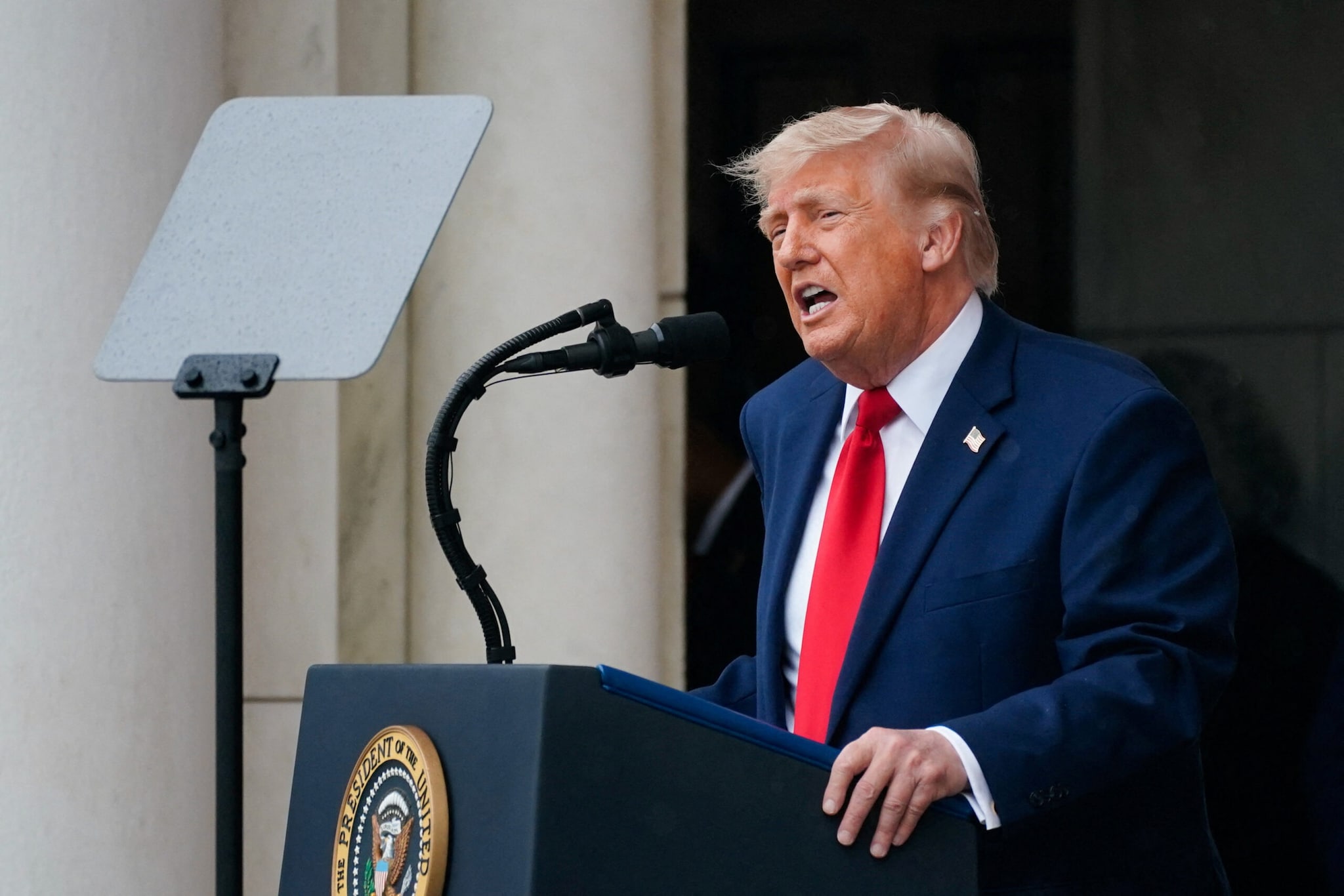
Yet, the man at the center of all this noise stayed completely silent. Raul Castro hasn't said a word about his milestone birthday, and more importantly, he hasn't uttered a syllable about the massive legal bomb Washington dropped on his head just two weeks ago.
On May 20, 2026, a federal court in Florida unsealed a stunning indictment against the former Cuban president. The charges? One count of conspiracy to kill US nationals, two counts of destruction of aircraft, and four counts of murder. The indictment stems from the infamous 1996 shootdown of two civilian planes operated by the Miami-based exile group Brothers to the Rescue. Raul Castro was Cuba's defense minister at the time, and the US government says he directly ordered the military jets to fire.
So why the total silence from the aging revolutionary?
The Script of a Silent Revolution
If you understand how the Castro brothers ran Cuba for over half a century, Raul's silence isn't a surprise. It's a strategy. For decades, Fidel was the voice, the theatrical performer who would berate Yankee imperialism for seven hours straight on a Havana balcony. Raul was always the manager, the quiet enforcer who worked in the shadows. He doesn't do public legal defenses.
By ignoring the US indictment, Castro and the current Cuban leadership are trying to deny the American legal system any legitimacy. Responding directly would look like acknowledging Washington's right to put a legendary comandante on trial. Instead, the regime lets Diaz-Canel handle the talking, framing the charges as just another wave of illegal blockades and aggressive rhetoric.
But things are different this time. This isn't the 1990s. The political reality surrounding the island has shifted dramatically under the current Trump administration.
Why the 1996 Shootdown Matters Right Now
The timing of this legal move isn't accidental. The Trump administration has spent the last several months aggressively ratcheting up pressure on Havana. We're seeing intense fuel supply cuts, crippling energy sanctions, and constant blackouts rolling through the island.
The unsealed indictment serves as the legal backbone for a much more aggressive foreign policy stance. Consider what happened earlier this year in Venezuela, where US pressure and a similar legal strategy culminated in the extraction of Nicolas Maduro. Florida Congresswoman Maria Elvira Salazar didn't mince words when she explicitly warned the Castro family to flee the island before they face the same fate.
To show they aren't bluffing, Washington even deployed an aircraft carrier strike group to the Caribbean. It's a blatant show of force designed to back up the legal threats with military muscle.
The events of 1996 were always a flashpoint. Declassified documents from the National Security Archive show that the exile pilots frequently provoked Havana by entering Cuban airspace, ignoring multiple warnings. When the Cuban MiGs finally blew those planes out of the sky, it froze US-Cuba relations for a generation. By resurrecting this case three decades later, the US Department of Justice is signaling that the era of diplomatic normalization—the one Raul himself helped negotiate with Barack Obama a decade ago—is officially dead.
What Happens to Cuba Next
You have to look at the immediate reality on the ground to see what this means for regular people. Cuba is currently trapped in a brutal economic crisis. Food is scarce. The power grid is failing daily.
While US rice farmers are looking at the island as a potential lifeline for exports, the geopolitical gridlock makes actual trade a nightmare. The US is using the indictment and the naval presence as leverage to force political concessions and the release of political prisoners.
Don't expect Raul Castro to break his silence or show up in a Florida courtroom. At 95, his whereabouts are kept highly classified by the state security apparatus. He will likely spend his remaining days behind closed doors, insulated from the chaos outside.
If you want to track where this crisis goes next, keep your eyes on the Caribbean shipping lanes and the ongoing diplomatic spat between Washington and Beijing. The real impact won't be found in empty birthday wishes from Moscow or unread legal filings in Miami. It will be measured by how long the current Cuban government can keep the lights on in Havana under the weight of total isolation. Watch the daily shipping manifests and fuel delivery reports coming out of the Caribbean. That's where you'll see if the pressure finally forces a crack in the regime's armor.