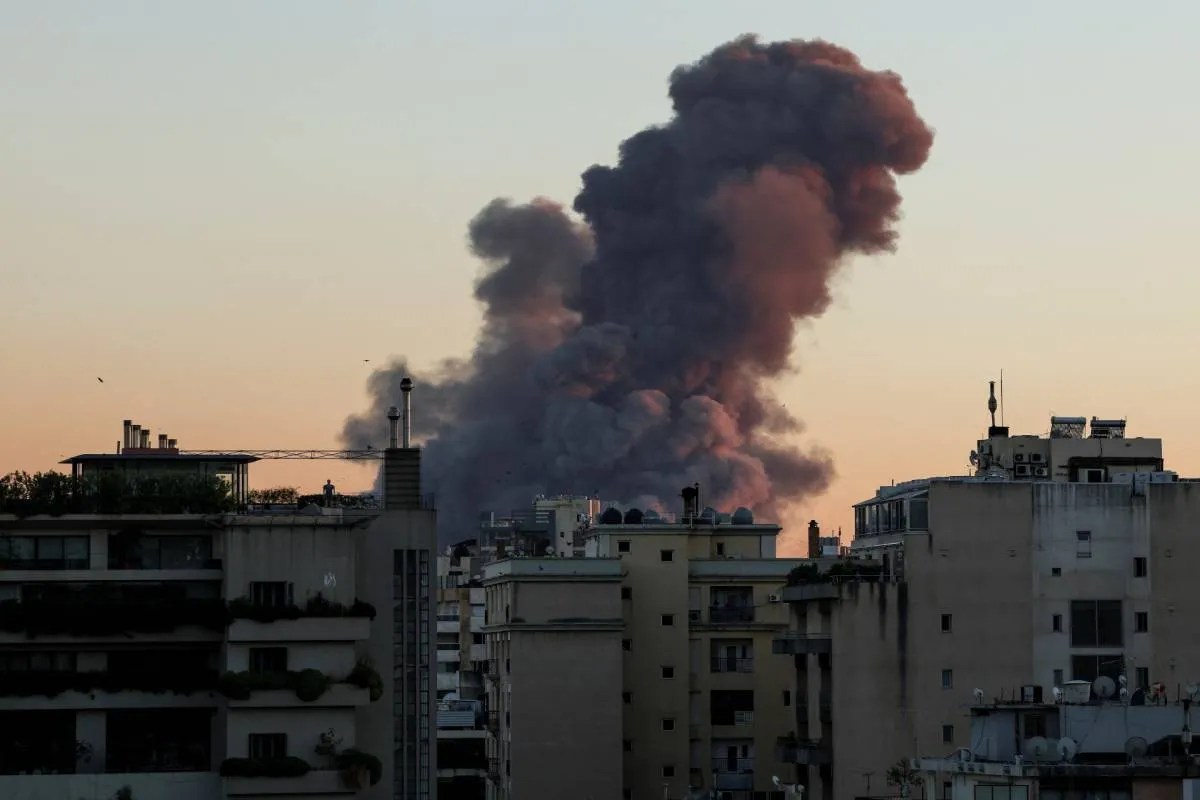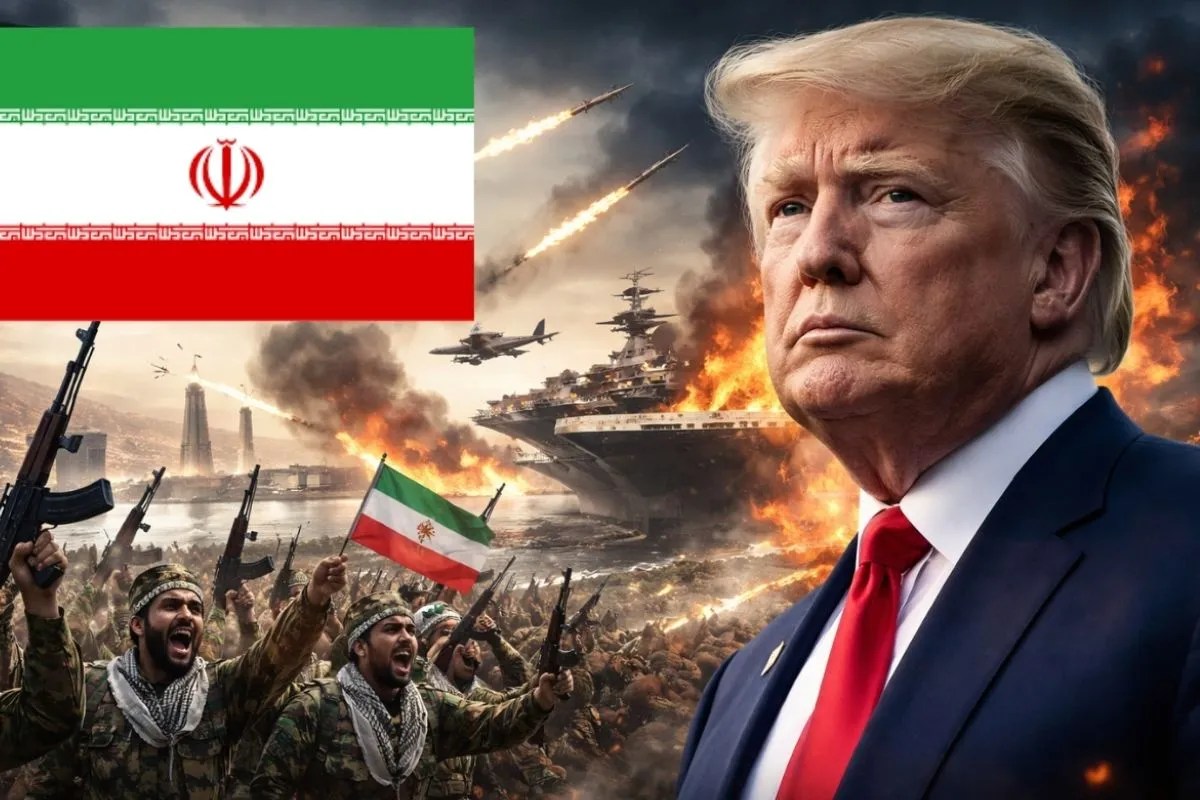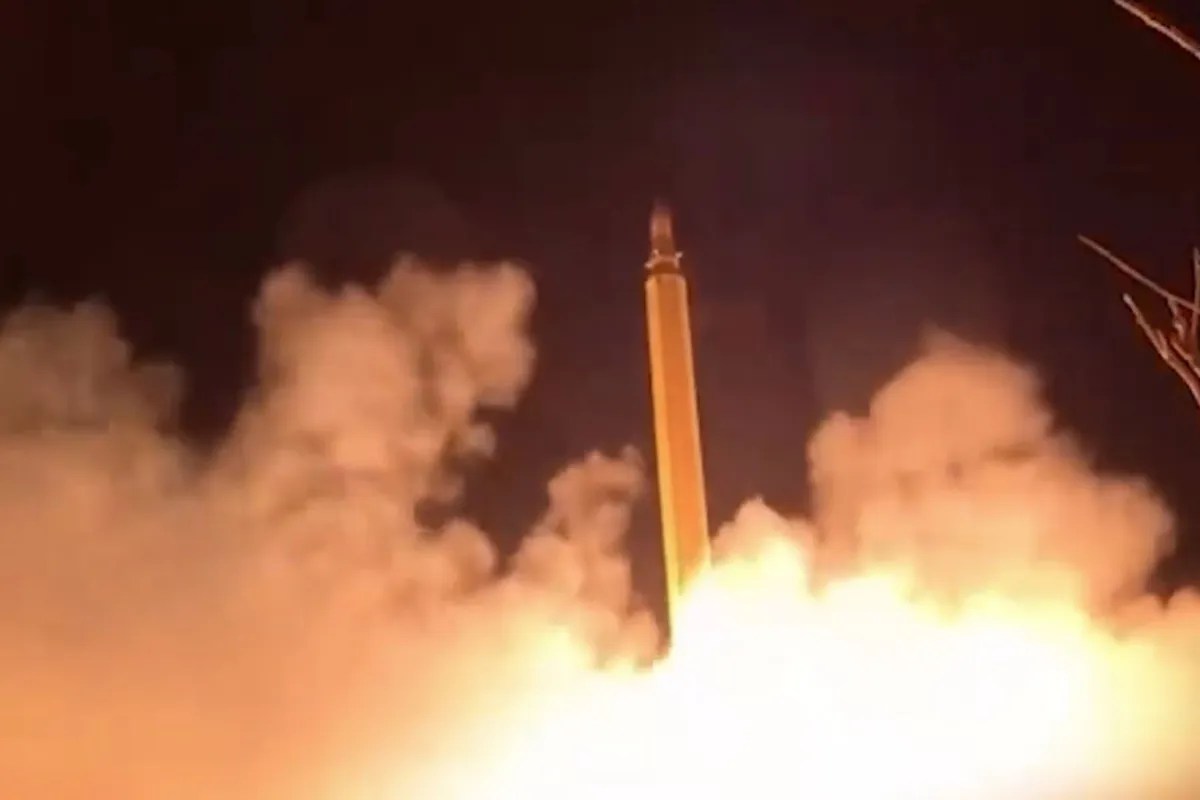
The smoke rising from the 14th Artesh Air Force Base in Mashhad this week tells a story that the White House press room is trying to rewrite. While President Donald Trump insists that Tehran is "begging for a deal," the reality on the ground in the final days of March 2026 is a chaotic, multi-domain war that shows no sign of cooling. The administration’s narrative of a "very significant prize" in oil and gas concessions appears to be a calculated gamble to stabilize jittery global markets, rather than a reflection of a diplomatic breakthrough.
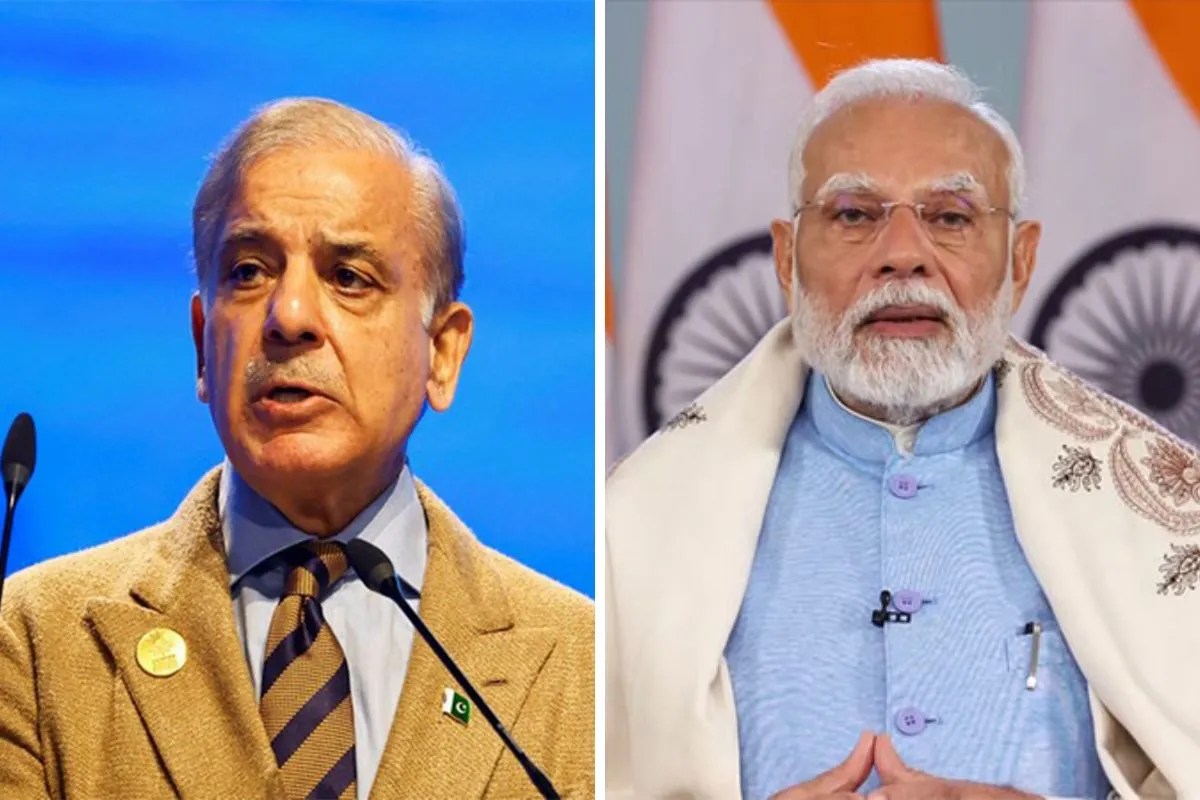
The core of the conflict isn't just a disagreement over nuclear centrifuges or ballistic missile ranges. It is a fundamental collapse of trust fueled by a month of high-intensity kinetic strikes and the assassination of Supreme Leader Ali Khamenei on February 28. To understand why the 15-point peace proposal delivered via Islamabad is currently gathering dust in Tehran, one must look past the podium and into the fragmented power structure of a post-Khamenei Iran.
The Mirage of Productive Conversations
On Tuesday, the President claimed that the "other side" is talking sense and that a deal to end the war is imminent. He even postponed an ultimatum to obliterate Iran’s power grid, citing progress. However, the Iranian Foreign Ministry’s response was immediate and scathing, labeling these claims as "fake news" designed to manipulate oil prices.
This isn't just typical diplomatic posturing. Within Iran, a power struggle is raging between the newly elevated Mojtaba Khamenei and entrenched IRGC commanders like Mohammad Bagher Ghalibaf. While the Trump administration believes it is "dealing with the right people," there is no evidence that those people actually have the authority to sign away the regime's remaining leverage. The "prize" Trump mentioned—a potential reopening of the Strait of Hormuz in exchange for sanctions relief—is being used by Tehran as a tactical delay, not a strategic surrender.
Kinetic Realities vs Diplomatic Hopes
The sheer scale of the military campaign contradicts the optimism coming out of Washington. Since the war began, the US and Israel have struck over 9,000 targets. The IDF claims to have neutralized 330 out of Iran’s 470 ballistic missile launchers. Yet, every time a "pause" is whispered in the West, another salvo of missiles hits Tel Aviv or a drone strikes a US-allied facility in the Gulf.
The "why" behind this is simple. The Iranian leadership views any ceasefire under the current 15-point framework as a death warrant. The proposal demands:
- Complete dismantling of the nuclear program.
- The handover of all enriched uranium stockpiles.
- The total cessation of support for the "Axis of Resistance."
- Unrestricted freedom of navigation in the Strait of Hormuz.
For a regime that has built its legitimacy on "resistance," these terms are equivalent to unconditional surrender. The IRGC understands that if they stop fighting now, they lose their relevance domestically and their influence regionally.
The Asymmetric Counter Strike
While the US dominates the skies, the conflict has entered a "multi-domain" phase where Iran still holds significant cards. The recent targeting of the American business Stryker by the "Handala Hack" group illustrates that Iran’s cyber capabilities remain largely intact. They are no longer just defacing websites; they are targeting critical infrastructure and supply chains in Ireland and across Europe to create a cost for Western intervention.
Then there is the Strait of Hormuz. Despite the US Navy’s presence, the waterway is a minefield. Intelligence reports confirm the deployment of Maham 3 and Maham 7 limpet mines. Tehran has already started a "tollbooth" system, charging fees for "non-hostile" ships to pass while barring any vessel linked to the US or Israel. This isn't the behavior of a government "begging" for a deal; it is the behavior of a cornered power trying to monetize the only bottleneck it still controls.
The Proxy Problem
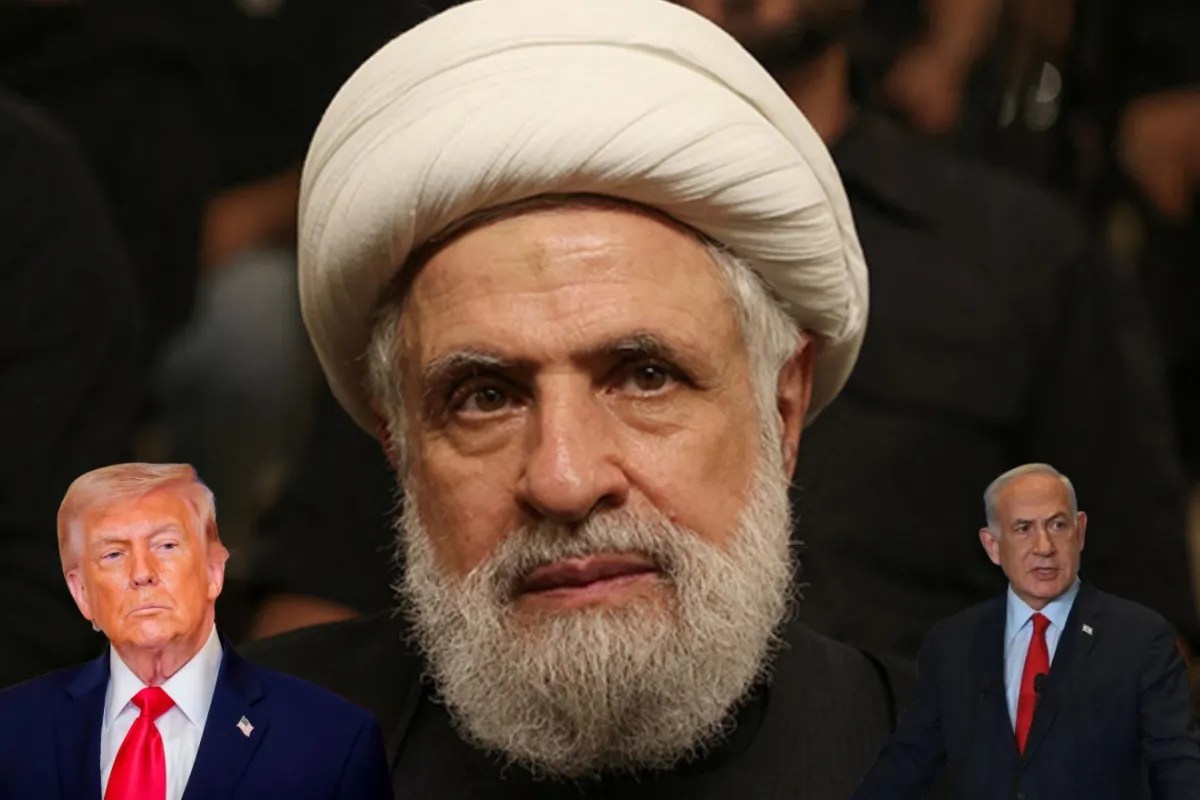
The war has expanded far beyond the borders of Iran. The escalation in Lebanon has turned into a full-scale conflict between Israel and Hezbollah, with the IDF attempting to carve out a "buffer zone" in the south. In Iraq, militias continue to harass US assets, recently targeting the former Victory Base at Baghdad International Airport.
The Trump administration’s gamble is that the sheer weight of military pressure will force a "Nixon-to-China" moment. But the historical precedent is shaky. When a regime’s survival is at stake, and its top leadership has already been decapitated, the remaining actors often become more radical, not less. The "Gaza model" of total military pressure being applied to an entire nation is now being tested on a much larger, more complex scale in Iran.
The Economic Brinkmanship
Oil prices provide the ultimate scoreboard for this conflict. When Trump speaks of peace, prices dip below $100. When Tehran denies the talks, they spike. This volatility is a weapon. Iran knows that a prolonged global energy crisis is the one thing that could force the US to the negotiating table on more favorable terms. They are prepared to declare "force majeure" on LNG contracts for five years if necessary.
The US strategy relies on the belief that the Iranian economy is on the verge of total collapse following the January protests and the current bombing campaign. While the economy is indeed in tatters, the regime has shown a historical capacity to endure extreme deprivation as long as the security apparatus remains paid. By striking the IRGC Ground Forces Headquarters in Tehran, the US is trying to break that final pillar of support.
The 48-hour deadline for the March 27 ultimatum is the next major flashpoint. If no "formal response" to the 15-point plan arrives, the US has threatened to move from military targets to the "obliteration" of energy infrastructure. This would be a point of no return. Once the power plants are gone, the diplomatic "off-ramp" disappears, leaving only the path of total regime change or a decades-long regional insurgency.
Would you like me to analyze the specific economic impact of the Strait of Hormuz closure on European LNG markets?