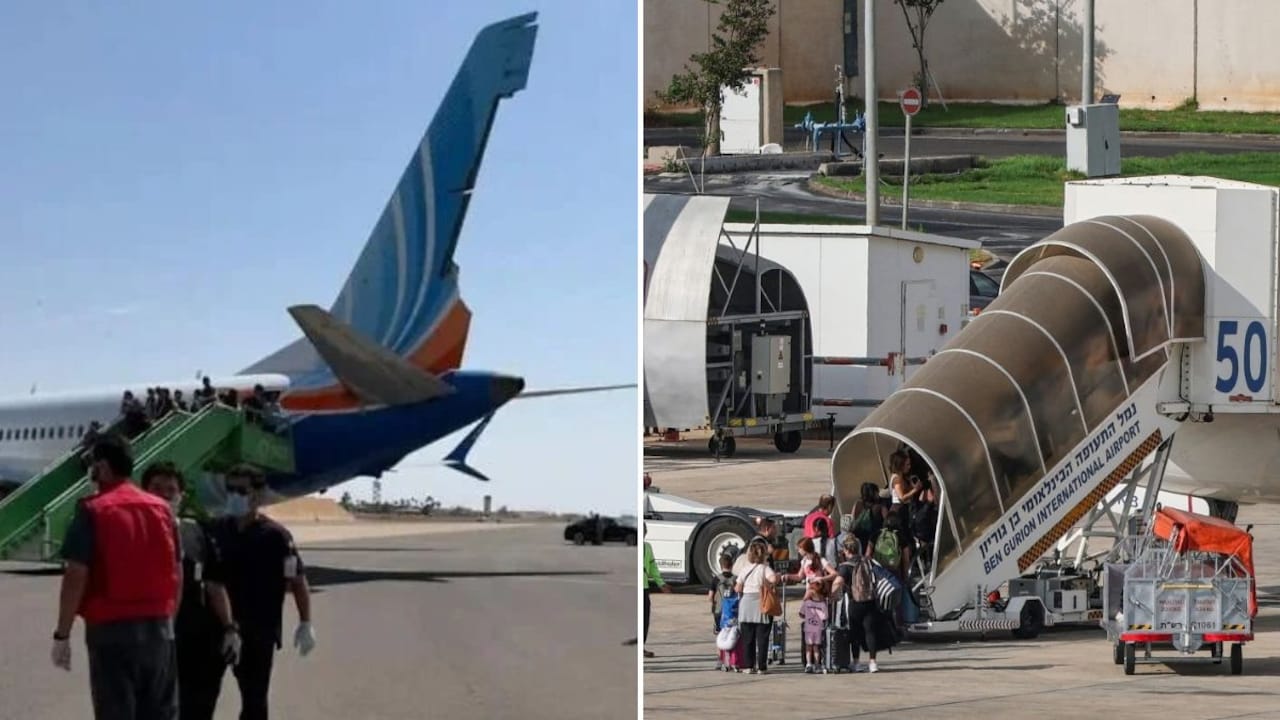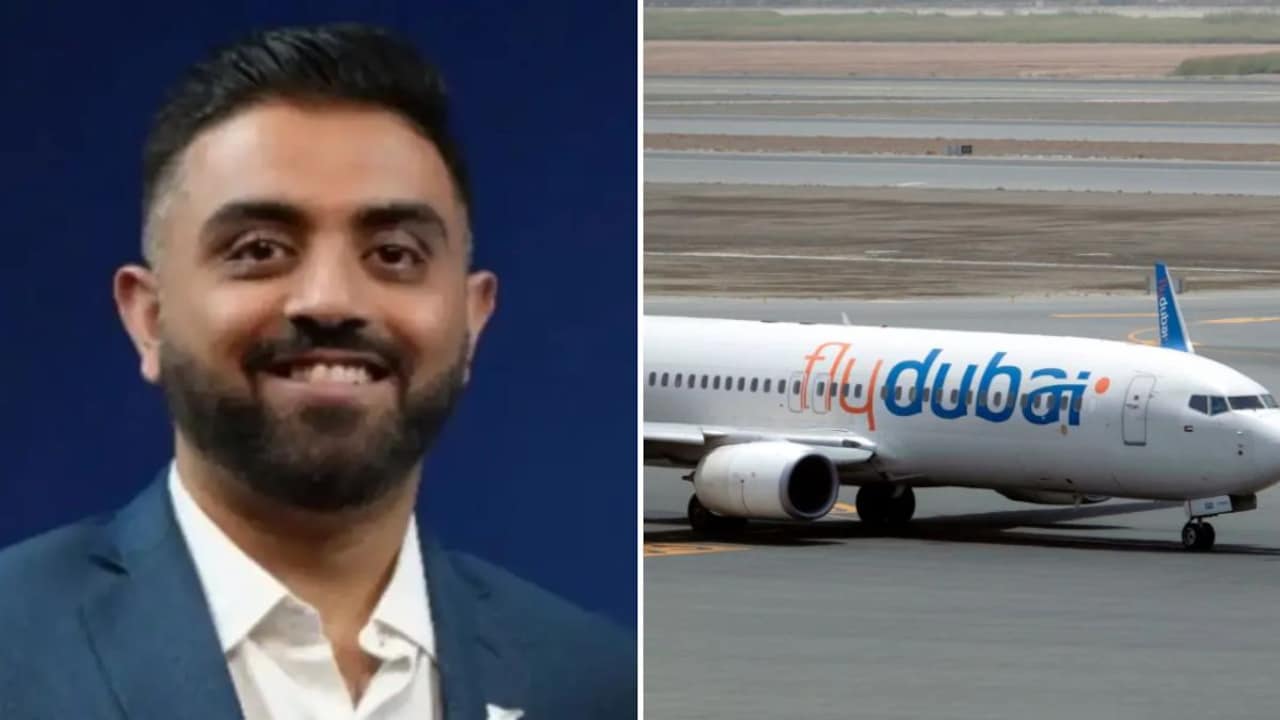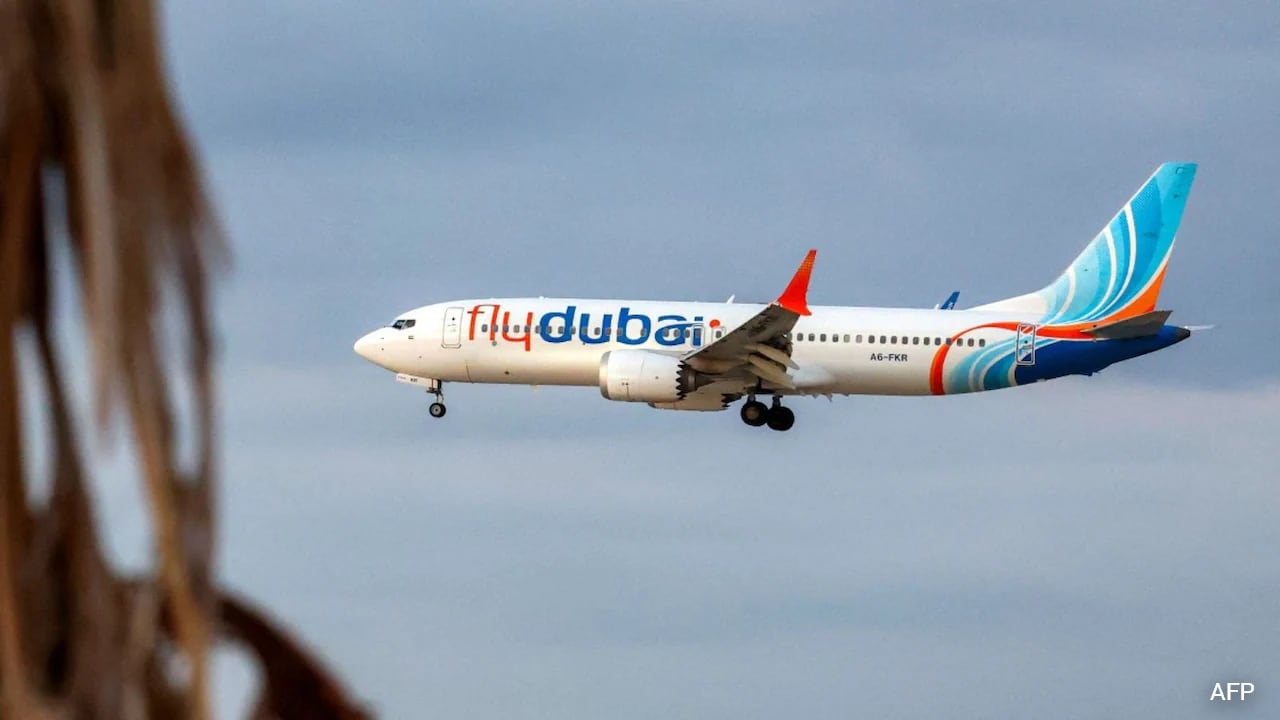
When a commercial flight suddenly noses over and plummets thousands of feet in less than a minute, passengers don't think about airline statistics or mechanical failure. They think about the worst moments of modern history. That exact dread gripped the cabin of Flydubai Flight 1073 on its route from Dubai to Tel Aviv, instantly summoning ghosts of September 11.
The incident wasn't a malfunction or routine turbulence. It was a violent cockpit struggle that laid bare the fragile realities of modern aviation security. If you missed the granular details while the headlines were screaming about hijacking fears, the real story is much stranger—and more terrifying—than the initial rumors suggested.
Inside the Cockpit Chaos
The flight started like any other scheduled regional run. Around 180 people were on board the Boeing 737 MAX 8. Roughly an hour before its expected touchdown in Israel, everything broke down.
According to investigations and passenger accounts, the first officer, Hamam al-Hammami, launched a sudden attack on the captain, Smit Machchhar, using a cockpit crash axe. The co-pilot then forced the aircraft into a brutal, vertical dive. In less than sixty seconds, the plane dropped from roughly 34,000 feet down to 17,000 feet, screaming through the air at speeds reaching nearly 600 miles per hour.
The rapid descent triggered structural failure, tearing away a large portion of the aircraft's tail rudder due to extreme overspeed. Inside the cabin, gravity distorted, luggage flew, and passengers screamed as they realized something catastrophic was unfolding overhead.
How Passengers and Crew Stopped a Disaster
Cockpit doors are designed to keep bad actors out. Since the events of September 2001, reinforced security measures have locked pilots away from the cabin to prevent outside takeovers. But what happens when the threat is already sitting in the left seat?
In this case, the wounded captain managed an incredible feat of survival. Despite severe injuries, he opened the cockpit door, allowing brave passengers and off-duty pilots deadheading on the flight to flood the flight deck. They tackled al-Hammami, restraining him with headphone wires and cable ties while the aircraft remained unstable.
Deadheading Flydubai pilots took over the flight controls. With the transponder broadcasting emergency squawk codes—first 7700 for a general emergency, then 7500 for unlawful interference—the jet crossed into airspace that prompted scrambling fighter jets before turning toward Saudi Arabia. The plane touched down safely at Prince Sultan bin Abdulaziz Airport in Tabuk, preventing an absolute massacre.
The Security Blind Spots Exposed
The incident immediately forced aviation authorities worldwide to look at a glaring vulnerability: insider threats. We spend billions on scanners, shoe checks, and liquid restrictions at terminal gates. Yet, once a flight crew passes security, they possess absolute authority behind a reinforced door.
Investigators later uncovered extremist imagery and radical content on social media linked to the co-pilot, raising heavy questions about background checks, psychological monitoring, and airline vetting processes in the Middle East and beyond. How did warning signs get missed? Why isn't continuous psychological evaluation standard practice across every commercial carrier globally?
Aviation security has long focused on external enemies. Flight 1073 proved that the industry must confront the internal ones, too. Passengers shouldn't have to become tactical operators at 30,000 feet just to survive a morning commute.