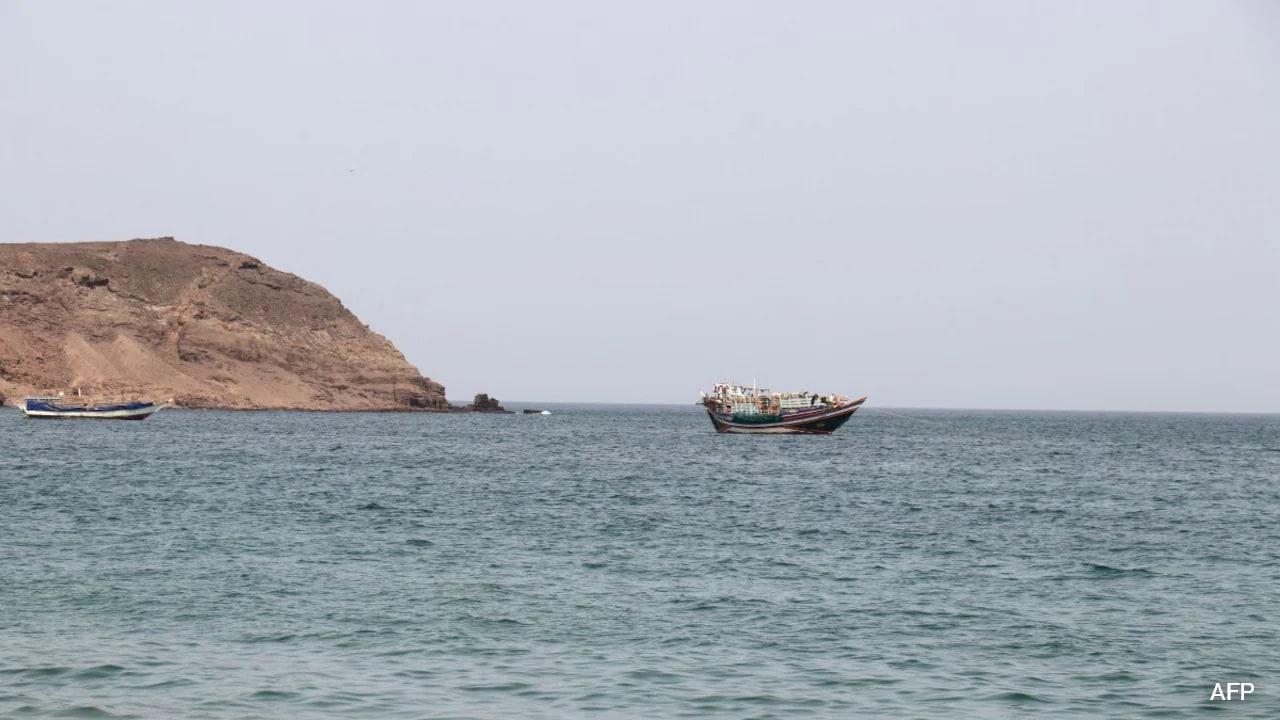
Every headline screams about casualties, chokepoints, and imminent regional collapse as the Houthis apply pressure near the Bab el-Mandeb strait. The standard narrative treats this as a localized military skirmish spinning out of control, a sudden rupture in an otherwise stable global supply chain. That framework is lazy, comforting, and entirely wrong.
Strip away the panic porn and look at the actual mechanics of maritime logistics. Modern container shipping does not break because a militia fires missiles; it breaks because corporate boards spent decades optimizing away every ounce of redundancy in the name of efficiency. When a few cheap drones alter the calculus of a multi-trillion-dollar maritime highway, the crisis is not the projectiles. The crisis is the fragile, over-leveraged architecture of global trade that panics at the first sign of friction.
I have spent years watching shipping executives celebrate lean inventories and Just-In-Time delivery models as the apex of modern commerce. They treated structural vulnerability as a cost-saving measure. When disruptions hit, the same people crying about Red Sea security are the ones who gutted their own supply chain buffers to pad quarterly margins.
The conventional wisdom insists that military escorts and retaliatory strikes will restore order to the strait. History suggests otherwise. Asymmetric actors do not need to win naval battles to achieve their objectives; they simply need to raise the insurance premiums and transit times high enough to alter global trade flows. Every guided-missile destroyer deployed to the region is an admission that brute-force naval power is an expensive, blunt instrument against a decentralized adversary playing a completely different game.
Look at what actually happens when vessels reroute around the Cape of Good Hope. Transit times spike by ten to fourteen days. Fuel consumption surges. Spot rates jump. The armchair strategists treat this as a temporary detour, a logistical inconvenience that will clear up once deterrence is re-established. They miss the permanent structural shift happening beneath the surface.
Shippers are recalculating risk permanently. The era of assuming frictionless passage through every geopolitical flashpoint is dead. Companies that built their entire manufacturing footprint on the premise of cheap, uninterrupted ocean transit are now discovering that geopolitical risk cannot be hedged away with a standard insurance rider.
The real conversation should not focus on how many fighters advanced today or which coastal ridge changed hands. Those tactical details are designed to keep you distracted. The strategic reality is that maritime choke points are inherently vulnerable, and globalization's architects built a system with zero margin for error.
Fixing this does not start with more airstrikes or hand-wringing over international law. It starts with accepting that hyper-efficient, single-threaded global supply chains are a liability. Until boardrooms start pricing geopolitical instability directly into their operational models instead of treating it as an unexpected black swan, every flashpoint in the Middle East will continue to expose the hollow core of modern trade.
Stop waiting for the strait to reopen and go back to normal. Normal is gone. Build redundancy, localize production, or accept that your margins will forever be held hostage by the next stretch of contested water.


