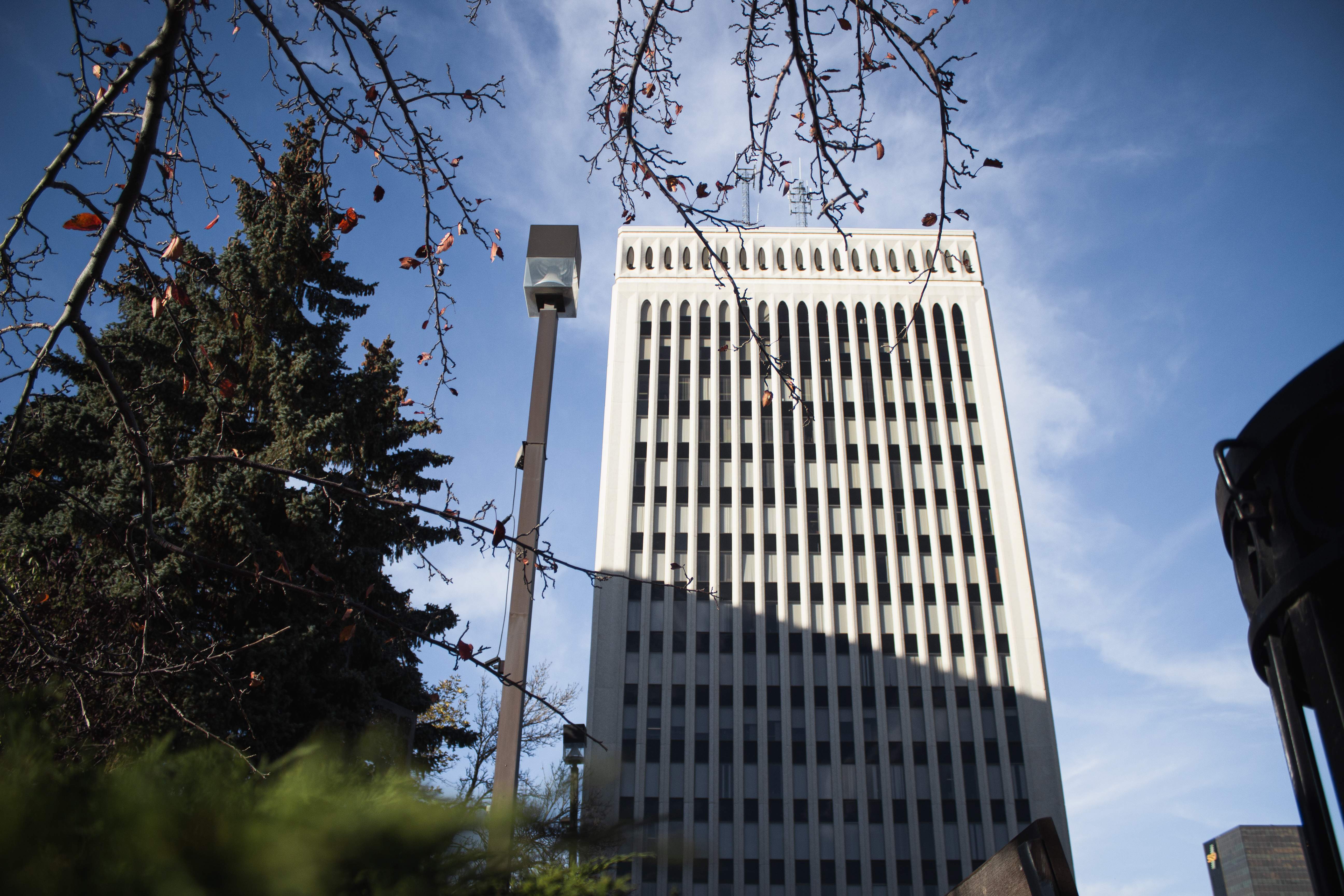
The City of Regina is once again asking residents how to fix its struggling downtown core, launching a public feedback campaign to gather ideas for revitalization. City hall wants to know what would bring people back to the streets, what businesses are missing, and how public spaces can be improved. But this public consultation strategy overlooks a harsher reality. Regina’s downtown issues are not caused by a lack of citizen ideas. They are the direct result of decades of car-centric urban planning, a sudden shift in workplace culture, and deep-seated economic challenges that a simple online questionnaire cannot solve.
Public surveys offer an easy political win. They give the impression of immediate action while delaying the difficult, expensive decisions required to actually reshape a city center. If Regina wants a vibrant downtown, it needs structural economic reform, not another feedback loop.
The Illusion of Progress Through Public Feedback
Regina has a long history of commissioning studies, steering committees, and public surveys to address the state of its city center. Every few years, a new initiative emerges, promising to transform the area into a bustling hub of culture and commerce. Residents dutifully fill out the forms, asking for more green spaces, fewer vacant storefronts, and better lighting.
The results are predictable. The data is collected, a glossy report is generated, and very little changes on the ground.
This happens because surveys treat the symptoms of urban decline rather than the root causes. A resident might note that they want more boutique retail shops downtown. However, a city cannot simply decree that a boutique shop open on 11th Avenue. Retailers require foot traffic, disposable income in the immediate vicinity, and affordable commercial rents. When city planning decisions actively work against those conditions, no amount of public feedback will convince an entrepreneur to risk their capital.
Consultation campaigns also suffer from a selection bias. The people who take the time to fill out municipal surveys are rarely the demographics the city needs to attract to sustain a nighttime economy. Students, young professionals, and working-class families are historically underrepresented in these datasets. Instead, the feedback loops lean heavily toward suburban commuters who view downtown strictly through the lens of daytime parking availability.
The Ghost Town Effect of Remote Work
The fundamental mechanism driving any downtown economy is density. For decades, Regina’s core relied on a captive audience. Thousands of provincial government employees, Crown corporation workers, and financial sector staff flooded the area every weekday morning. They bought coffee at 8:00 AM, ate lunch at local diners at noon, and occasionally stayed for a drink after 5:00 PM.
That economic engine has permanently shifted.
The rise of hybrid and remote work models has emptied out office towers, leaving a critical deficit in daily foot traffic. When a significant portion of the workforce stays home two or three days a week, the surrounding ecosystem collapses. The dry cleaners, the sandwich shops, and the independent cafes cannot survive on Tuesday-to-Thursday patronage alone.
This is not a temporary slump. It is a permanent restructuring of the workforce. Trying to revitalize a downtown by asking residents what kind of festivals they want ignores the fact that a neighborhood cannot survive on weekend festivals alone. It requires a baseline of daily, habitual human activity. Without the office workers, that activity must come from residents living within the core itself.
The Suburban Subsidization Trap
Regina’s urban geography is actively fighting against its downtown. For decades, city council has approved the continuous expansion of suburban residential developments on the city's periphery. Neighborhoods in the far east and northwest continue to grow, complete with their own massive lifestyle power centers.
These suburban hubs offer everything a resident needs. Grocery stores, gyms, restaurants, and big-box retail are all surrounded by acres of free parking.
- The Commute Disincentive: When a resident living in Harbour Landing or Westerra can access every major amenity within a five-minute drive from their home, the incentive to travel downtown disappears.
- The Cost of Parking: The suburban model has trained citizens to expect free, abundant parking. Downtown Regina, by its very nature, cannot compete with this. The moment a resident has to pay for a parking meter or navigate a parkade, they choose the suburban alternative.
- Infrastructure Strain: Sprawl dilutes the city's tax base. Maintaining roads, pipes, and emergency services for rapidly expanding suburbs leaves fewer municipal dollars available to invest in high-quality public realm upgrades downtown.
By continuously approving suburban commercial developments, the city has created its own competition. The downtown is not competing with other cities; it is competing with the east end of Victoria Avenue. And right now, the suburbs are winning because they are engineered for maximum convenience in a winter city.
Safety, Perception, and the Social Divide
No discussion of Regina’s downtown can ignore the growing divide regarding public safety and social infrastructure. In every public forum, concerns about crime, addiction, and homelessness dominate the conversation.
There is a distinct gap between perception and reality, but in urban planning, perception dictates behavior.
[Suburban Comutes] ---> [Perception of Safety Risks] ---> [Avoidance of Downtown Core]
                                                                     |
[Empty Streets After 5 PM] <------------------------------------------+
When the streets empty out after the 4:30 PM rush hour, the lack of natural surveillance makes the area feel desolate. Natural surveillance relies on ordinary people going about their day. When the sidewalks are empty, any antisocial behavior becomes highly visible and magnified.
The city cannot fix this issue with increased policing or better street lighting alone. Social vulnerabilities require provincial and federal intervention regarding housing, mental health support, and addiction services. When a municipality tries to address these deep systemic crises through the lens of "downtown beautification," it fails both the vulnerable populations and the business owners who are struggling to keep their doors open.
Real Structural Solutions Beyond the Survey
If the City of Regina wants to move past the cycle of endless consultation, it must implement aggressive, sometimes unpopular structural changes.
Prioritize Residential Conversion
Office towers that are no longer viable as commercial real estate must be converted into residential spaces. This is an expensive, architecturally challenging process, but it is the only way to build a permanent population downtown. A thousand new residents living on Hamilton Street will do more for the local economy than ten weekend street markets. The city needs to offer aggressive tax incentives to developers willing to take on these complex conversions.
Rethink the Winter City Identity
Regina is a winter city for half the year. Yet, much of its downtown infrastructure is designed as if it were located in a temperate climate. Wide, wind-swept plazas and exposed sidewalks are useless in January.
The city needs to focus on creating micro-climates, heated transit shelters, and covered walkways that make navigating the core bearable during a Saskatchewan winter. The indoor pedestrian Scarth Street mall concept needs to be re-evaluated for the modern era, focusing on year-round usability.
End Commercial Sprawl
City hall must place a moratorium on new commercial zoning on the edges of the city. If national retailers and restaurant chains want to enter the Regina market, they should be steered toward the urban core or existing commercial corridors. As long as developers are given cheap, easy land on the periphery, they will never choose the complexities of building downtown.
The future of Regina’s downtown depends entirely on political will. It requires moving away from risk-averse survey collection and toward decisive, long-term urban policy that prioritizes density over sprawl.