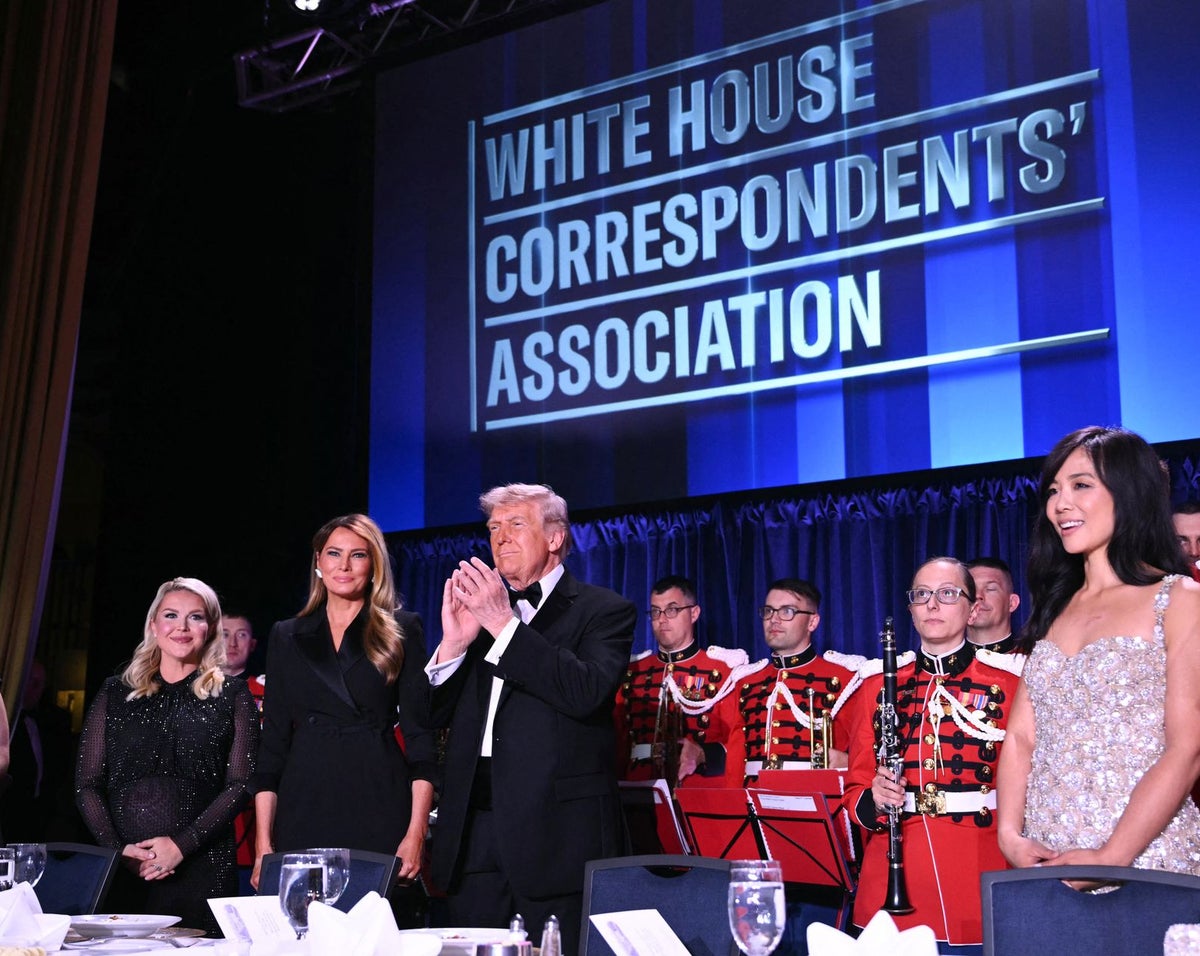
The press corps is celebrating a calendar change as if it were a victory for democracy. Following the cancellation of the last White House Correspondents' Dinner due to security threats, the announcement of a new date has been met with collective relief in Washington newsrooms. The mainstream narrative is comforting: the return of the gala signals a triumph over fear, a restoration of normalcy, and a vital celebration of the First Amendment.
It is a comforting narrative. It is also entirely wrong.
Moving the date and pretending it is business as usual ignores the rot at the center of modern political journalism. The dinner is not a shield for press freedom. It is an annual display of access journalism that actively harms public trust. By treating the event as a mandatory civic ritual rather than a corporate networking party, the media establishment proves it cares more about proximity to power than holding that power accountable.
The security concerns that forced the initial cancellation were real. The belief that changing the date fixes the underlying fracture between the press and the public is pure fantasy.
The Myth of the Crucial Tradition
The standard defense of the dinner follows a predictable script. Proponents argue that bringing journalists, politicians, and sources together in a social setting humanizes adversaries and lowers the political temperature. They claim it showcases a healthy democracy where the press can roast the commander-in-chief to their face.
Step back and look at the optics through the eyes of an average citizen.
They see wealthy journalists sharing laughs, clinking glasses, and snapping photos with the very officials they are supposed to be investigating. The event does not humanize the powerful; it cartelizes the press. It reinforces the widespread suspicion that Washington is a theater piece where politicians and reporters fight on camera but share a steak dinner behind closed doors.
I have watched news organizations spend six-figure sums on tables, celebrity guests, and after-parties while simultaneously cutting investigative budgets and laying off regional reporters. The math does not add up for an industry claiming to be in a financial and existential crisis. Investing heavily in a self-congratulatory banquet while local news deserts expand across the country is a profound failure of institutional priorities.
The Flawed Premise of Access Journalism
The entire structure of the dinner relies on the concept of access. The unwritten contract is simple: media companies invite administration officials and lawmakers as guests, hoping to build the rapport necessary to secure future scoops or off-the-record briefings.
This approach is fundamentally broken.
- Access is traded for compliance: True adversarial reporting rarely comes from a source met at an open bar. The information gained through social proximity is almost always managed, spun, and timed to benefit the source, not the public.
- It creates an echo chamber: When reporters spend their evenings socializing with policy makers, their worldview inevitably aligns with the institutional consensus of Washington. They start asking the questions that matter to the room, not the questions that matter to the country.
- It alienates the audience: Every joke shared between a late-night comedian, a president, and a network anchor deepens the divide between the capital and the public. It transforms the press from a watchdog into an insider.
Imagine a scenario where a major corporate watchdog held a lavish, televised gala with the CEOs of the companies it was actively auditing. The conflict of interest would be obvious, and the credibility of the audits would plummet instantly. Yet, the political press corps performs this exact ritual every year and expects applause for its commitment to transparency.
The High Cost of the Beltway Bubble
Defenders of the status quo will argue that cancelling or permanently downgrading the dinner gives a victory to polarization and intimidation. They believe that maintaining the ritual is an act of institutional resilience.
The opposite is true. True resilience would mean recognizing that the media's current relationship with power is unsustainable. Public trust in traditional news media has hovered near historic lows for years. This decline is not merely the result of partisan attacks; it is driven by a perceived lack of objectivity and independence.
The dinner is a primary exhibit in the case against the media's impartiality. It is a visual manifestation of the "Beltway bubble." When the press treats a date change like major breaking news, it demonstrates a complete disconnect from the realities facing everyday news consumers who are dealing with inflation, systemic gridlock, and geopolitical instability.
Redefining the Relationship
The solution is not to simply find a safer date on the calendar or tweak the guest list. The solution is to dismantle the expectation that the press and the presidency need to be social partners.
True independence requires distance. If news organizations want to rebuild credibility, they need to stop prioritizing the superficial access that events like this celebrate.
- Fund reporting, not parties: Direct the resources used for black-tie galas toward deep, long-term investigative projects that require months of document review and field reporting.
- Prioritize outsiders over insiders: Shift focus away from the daily spin of press briefings and toward the actual impact of policy on communities outside the capital.
- Embrace the friction: A healthy relationship between the press and the government should be inherently tense. It should not be smoothed over once a year for the sake of tradition.
The rescheduled dinner will happen, speeches will be made, and the participants will tell themselves they are defending the republic. But the real work of journalism does not happen in a ballroom under a chandelier. It happens when the cameras are off, the tuxedos are put away, and the press remembers that its duty is to the public, not the politicians.