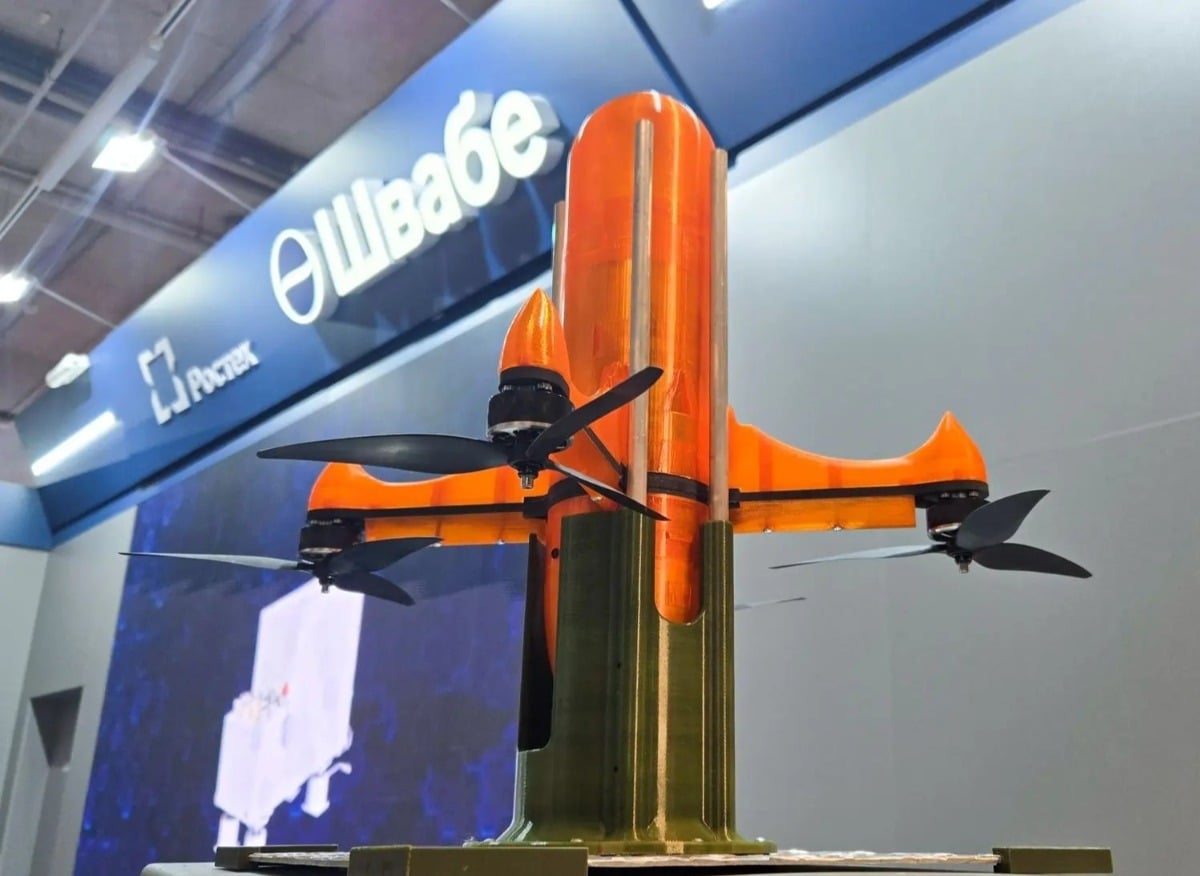
Defense analysts are currently tripping over themselves to report on Russia’s latest military tech: a specialized coastal drone interceptor designed to neutralize uncrewed surface vessels (USVs) before they strike maritime infrastructure. The mainstream commentary reads like a marketing brochure. It praises the system's integration of autonomous targeting, rapid-fire munitions, and dedicated coastal radar networks.
They are missing the entire point.
Building a bespoke, fixed-location or slow-moving platform to hunt dynamic, asymmetric threats is like trying to swat mosquitoes with a sledgehammer. It is a fundamental misunderstanding of modern naval attrition. The media is hyper-focusing on the engineering specifications of a single vehicle while ignoring the math of the theater it is meant to protect.
This new interceptor is not a tactical breakthrough. It is a multi-million-dollar monument to outdated military doctrine.
The Flawed Premise of Specialization
The defense establishment loves specialized hardware. It looks great in propaganda reels, and it secures massive budgets. But specialized interceptors are inherently reactive.
I have watched defense consortia burn through billions trying to engineer the perfect counter-weapon for highly specific threats, only for the adversary to change a line of code or swap a component and render the entire defense system obsolete. This coastal interceptor project suffers from the exact same institutional blindness.
The current consensus assumes that because explosive sea drones operate on the water's surface, you need a specialized surface-level hunter to stop them. This ignores the basic mechanics of maritime physics and detection geometry.
- The Horizon Problem: Surface-based radar and optical sensors on a low-profile interceptor are severely limited by the curvature of the earth and wave clutter. A sea drone riding low in the water is practically invisible until it is too close.
- The Speed Asymmetry: Even if the interceptor boasts a high top speed, it must patrol vast stretches of coastline. An attacker only needs to find one gap in the patrol schedule or saturate a single vector to achieve total success.
- The Cost Curve: A single interceptor costs orders of magnitude more to build, maintain, and crew than a fleet of cheap, mass-produced exploding boats.
When you spend $5 million on a platform designed to kill a $50,000 drone, you are not winning. You are bleeding out.
The Math of Saturation Warfare
Let us break down the actual mechanics of a coastal raid. Defense media outlets frequently ask: How effective is the interceptor's automated targeting system against a moving target?
This is the wrong question. The correct question is: What happens when twenty targets attack simultaneously from different vectors?
Imagine a scenario where a coastal defense battery detects an incoming swarm of twelve USVs. The new Russian interceptor deploys to engage. It successfully tracks, engages, and destroys three of them using its high-rate-of-fire weapons system.
While it is reloading or adjusting its vector to engage the next threat, the remaining nine drones split up. Three head for the harbor's fuel infrastructure, three target docked naval assets, and three track directly toward the interceptor itself.
The interceptor cannot be everywhere at once. It possesses a finite ammunition capacity and a limited engagement window. In naval warfare, a defense system that catches 80% of incoming threats is still an absolute failure if the remaining 20% destroy the port. Asymmetric warfare is an exercise in saturation. The adversary does not care if they lose ninety drones as long as the ninety-first blows a hole in a destroyer.
Air Power vs. Surface Clutter
The obsession with surface-to-surface interception is a stubborn refusal to accept the reality of modern multi-domain operations. If you want to kill a sea drone, you do not look for it from the water line. You look for it from above.
Fixed-wing aircraft and rotary-wing assets operating simple, unguided or lightly guided ordnance are fundamentally superior drone hunters.
[Surface Interceptor] ---> Low sensor elevation, blocked by waves, limited engagement radius.
[Airborne Asset]      ---> High sensor elevation, clear line of sight, rapid redirection across miles.
An old helicopter equipped with a thermal camera and a door-mounted machine gun has a higher kill probability against a sea drone than a complex, automated surface vessel. The helicopter enjoys a panoramic view of the water, completely eliminating wave clutter interference. It moves at triple the speed of any boat, allowing it to respond to multiple distinct vectors across a massive coastline in minutes.
Russia’s investment in a brand-new, surface-bound interceptor class reveals an inability to adapt existing joint-force doctrines to modern realities. They are building an expensive new hammer because they forgot how to use the aircraft they already own.
The Brutal Reality of Electronic Warfare
The tech specifications for this new interceptor heavily emphasize its autonomous tracking algorithms, designed to lock onto targets without human intervention. This sounds impressive to venture capitalists and bureaucrats, but anyone who has spent time analyzing electronic combat environments knows this is a liability.
Modern coastal zones are dense electronic environments. GPS jamming, spoofing, and radio-frequency noise dominate the battlespace.
- Sensor Degradation: Optical sensors are easily blinded by smoke, fog, and specialized aerosol screens.
- Algorithm Failure: Autonomous targeting relies on computer vision trained on specific profiles. Alter the shape of a sea drone with a few pieces of scrap metal or camouflage netting, and the system fails to recognize it as a threat.
- Friendly Fire Risks: In a crowded coastal waterway filled with civilian fishing boats, commercial shipping, and friendly patrol craft, letting an automated system choose its targets in a high-stress environment is a recipe for catastrophic error.
If the interceptor requires a constant, high-bandwidth data link back to a command center to verify its targets, it can be jammed. If it operates completely autonomously to avoid jamming, it becomes an unguided missile looking for anything that moves.
Stop Building Ships to Fight Boats
The entire concept of naval procurement needs to be inverted. Traditional navies are terrified of becoming obsolete, so their immediate reaction to new threats is to build a new ship.
You cannot counter the democratization of cheap, lethal technology by sticking to traditional industrial-era manufacturing timelines. By the time this new coastal interceptor finishes its sea trials, undergoes optimization, and deploys in meaningful numbers, the generation of sea drones it was built to fight will have been retired.
Adversaries are already iterating their designs to include semi-submersible profiles and airborne capabilities. A surface-bound interceptor is a static answer to a dynamic problem.
The only way to secure a coastline against asymmetric threats is to match the adversary's footprint. You do not build a sophisticated interceptor boat. You build five hundred disposable, sensor-equipped observation buoys linked to cheap, loitering aerial munitions. You flood the zone with low-cost nodes until the cost-exchange ratio tilts back in your favor.
Continuing to invest in heavy, single-purpose maritime platforms to guard coastlines against swarm intelligence is a proven path to strategic bankruptcy. The country that builds the most expensive defense system loses the war of economic attrition.
Stop trying to build a better boat. The surface of the water is a dead zone for defensive platforms. Move the sensors up, move the weapons down, or get out of the way.