Money doesn't buy military victory. Riyadh learned this the hard way.
Back in March 2015, Saudi Arabia launched Operation Decisive Storm. Crown Prince Mohammed bin Salman thought the intervention in Yemen would take weeks. He figured the Houthi movement would crumble under a swift air campaign. Riyadh wanted to restore the internationally recognized government and push back Iranian influence.
That calculation failed completely. More than a decade later, the kingdom remains entangled in a stubborn geopolitical mess. The war transformed into a grinding stalemate. It drained financial resources, drew international condemnation over civilian casualties, and exposed the structural limits of modern military hardware against asymmetric insurgent tactics.
You cannot simply bomb a domestic political movement out of existence. Realities on the ground proved far more complicated than warroom projections in Riyadh.
The Miscalculated Timeline
Hubris drives bad strategy. When Saudi leadership pulled together a regional coalition in 2015, they underestimated the resilience of the Houthi forces. These fighters spent years honing guerrilla warfare skills in the rugged northern mountains of Yemen. They knew the terrain intimately. They adapted quickly to airstrikes, using underground networks and decentralized supply lines.
The intervention relied heavily on high-altitude air power. While air strikes inflicted massive infrastructural damage, they failed to dislodge ground forces. Worse, civilian infrastructure took the brunt of the campaign. Hospitals, schools, water treatment facilities, and agricultural land suffered heavy destruction.
International human rights organizations began documenting violations on a massive scale. Western allies, who initially provided logistical support and intelligence, started facing intense domestic pressure. Weapons sales came under fierce scrutiny in parliaments across Washington and European capitals. Riyadh found itself fighting two wars at once. One played out on the actual battlefield. The other played out in the court of global public opinion.
The Regional Proxy Trap
Tehran didn't need to deploy regular army divisions to bog down its powerful neighbor. A modest investment in training, drone technology, and ballistic missile components provided an outsized return on investment for Iran.
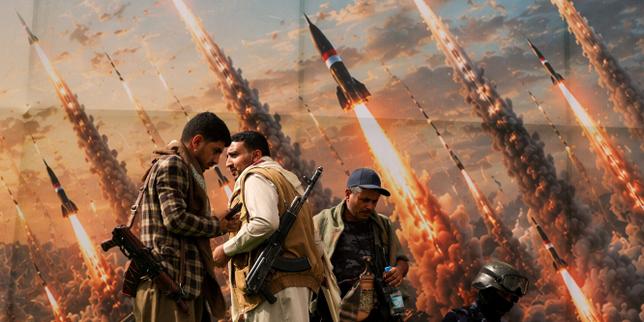
The Houthis transformed from a local militia into a sophisticated fighting force capable of striking deep inside Saudi territory. Oil refineries, desalination plants, and international airports became targets for explosive-laden drones and cruise missiles. Think about the economic anxiety this caused. Global energy markets panicked every time an air raid siren sounded near critical Saudi petroleum facilities.
Riyadh realized a fundamental truth. Containing Iran through direct military intervention in a failing state creates a bottomless money pit. The war cost billions of dollars every month. It diverted capital away from ambitious domestic transformation plans like Vision 2030, which aimed to diversify the Saudi economy away from oil dependency.
Shifting Strategies and Fragile Truces
Direct military engagement gave way to quiet diplomacy. Riyadh pivoted hard toward finding an exit ramp. Oman stepped in to broker secret back-channel talks between Saudi officials and Houthi representatives.
A UN-sponsored truce in 2022 brought a rare sense of relative calm. Commercial flights resumed in Sanaa. Fuel imports trickled into the port of Hodeidah. Even so, a formal, lasting peace treaty remains elusive. The underlying political divisions inside Yemen refuse to heal.
Local factions backed by various outside players hold competing visions for the country's future. The Southern Transitional Council wants secession. Remnants of the old regime want centralized authority restored. The Houthis demand total political dominance in the highlands. Saudi Arabia sits in the middle of this fractured puzzle, trying to secure its southern border without looking like it is abandoning its local allies.
The Strategic Cost of Getting Involved
Interventions are easy to start and nearly impossible to finish cleanly. Saudi Arabia wanted a quick win to project regional strength. Instead, the conflict showcased the vulnerabilities of a rentier state trying to project power beyond its borders using imported technology.
Security comes from stability, not endless bombardments. Riyadh has learned to accept a messy status quo rather than chase an elusive total victory. Engagement with former adversaries replaced total exclusion. Economic diplomacy took precedence over artillery barrages.
The lesson is harsh. Modern regional conflicts cannot be resolved through brute force alone. Leaders who ignore local political dynamics and rugged terrain end up paying a heavy price. Riyadh is still paying that price today, navigating a delicate tightrope between regional ambition and the hard realities of the Yemeni landscape.