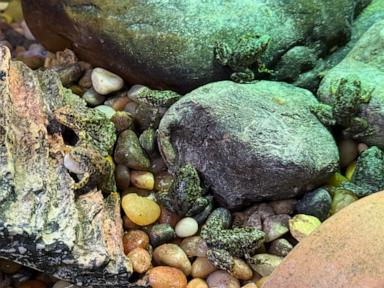
Most people picture concrete, traffic, and neon when they think of Los Angeles. They don't picture a high-stakes maternity ward for some of the rarest amphibians on the planet. Tucked away behind the scenes at a local conservation facility, hundreds of tiny, wriggly tadpoles are fighting for survival. They aren't just swimming around in tanks. They are the frontline defense against a silent extinction wave crashing over Southern California's ecosystems.
You probably haven't thought much about mountain yellow-legged frogs. That's fair. They aren't fluffy, they don't bark, and they won't go viral on social media for doing something funny. But ignoring them is a massive mistake. When these creatures vanish, entire freshwater habitats unravel from the bottom up.
Let's look at what's actually happening behind closed doors at this specialized LA nursery, why these tiny aquatic babies need human intervention just to make it past infancy, and what this means for the wild spaces you probably visit on weekends.
The Brutal Reality Facing Southern California Amphibians
Nature is tough, but human interference has turned the dial up to an almost unbeatable level. Decades ago, mountain yellow-legged frogs practically choked the streams of the San Gabriel, San Bernardino, and San Jacinto mountains. They were everywhere. Then came a triple punch of habitat destruction, invasive species like trout that eat anything smaller than them, and a deadly fungal pathogen.
Chytrid fungus is basically a silent killer with a 100 percent success rate in vulnerable populations. It attacks keratin in amphibian skin, suffocating them from the outside in.
When researchers realized these frogs were sliding off the edge of existence, standing by and watching wasn't an option. The wild breeding success rates plummeted to near zero. Eggs laid in mountain streams were getting washed away by erratic, climate-shifted storms or devoured by non-native predators before they even hatched.
That is why captive breeding programs inside urban centers like Los Angeles became necessary. It sounds ironic. A bustling concrete metropolis is acting as a sanctuary for creatures that desperately need pristine, freezing mountain water. But conservation doesn't care about irony. It cares about results.
Inside the High-Security Tadpole Nursery
Walking into the breeding facility feels nothing like a standard zoo exhibit. There are no glass viewing panels for tourists tapping on the glass. There's only strict biosecurity. Staff members suit up in fresh lab coats, step through disinfectant footbaths, and treat the water systems with surgical precision.
Every single tank mimics natural seasonal shifts. Biologists carefully control water temperatures, light cycles, and filtration rates to trick the tadpoles into thinking they are enduring the actual elements of a high-altitude stream.
Raising tadpoles isn't just about dropping fish flakes in a tank and hoping for the best. These animals have complex dietary needs, distinct developmental stages, and a stubborn tendency to succumb to disease if conditions aren't immaculate.
Feeding and Rearing Challenges
Tadpoles start out eating algae and microscopic organic matter. As they grow into tiny froglets, their mouths and digestive tracts completely restructure. They switch from vegetarian grazers to strict carnivores.
Staff members must constantly source specialized micro-invertebrates, fruit flies, and tiny crickets. If a batch of tadpoles misses a single nutritional requirement during this rapid metamorphosis window, their bone density suffers. A frog with weak bones won't survive a single day in the rugged terrain of the San Gabriel Mountains.
The margin for error is razor-thin. One bad batch of filtered water or a minor temperature spike can wipe out an entire cohort of future breeders. The people doing this work don't get weekends off. They monitor water chemistry constantly, keeping meticulous records on every single clutch of eggs.
Why Tadpoles Get Priority Over Adults
You might wonder why conservationists focus so heavily on the egg and tadpole stages instead of just capturing and breeding adult frogs. The answer comes down to pure numbers and survival psychology.
In the wild, amphibian mortality rates during early life stages are astronomical. Out of thousands of eggs laid in a natural stream, maybe one or two make it to adulthood. Predation, disease, and weather wipe out the rest.
By taking eggs from the wild—often from pools that are about to dry up or freeze solid—and bringing them into the LA nursery, scientists flip those odds upside down. Instead of a one-in-a-thousand survival rate, nurseries routinely push survival rates past eighty or ninety percent.
You're essentially running an intensive care unit for babies that would otherwise be fish food or victims of fungal infections. Once these tadpoles morph into healthy, robust froglets, they possess the size and strength needed to fend off minor threats once they hit the wild streams.
The Reintroduction Process
Raising thousands of tadpoles in sterile tanks is only half the battle. Eventually, they have to go home.
Reintroducing captive-bred frogs into Southern California mountain streams isn't as simple as driving up a fire road, opening a bucket, and wishing them luck. It's a military-style operation.
Biologists scout locations meticulously. They check for the presence of chytrid fungus, ensure non-native trout have been cleared out of the stretch of water, and confirm that the micro-climate matches the exact genetic lineage of the frogs being released.
Tracking and Monitoring
Every single released frog gets logged, and many receive tiny passive integrated transponder tags or visual markers so researchers can track their progress.
When teams hike back into those remote mountain streams months later to check on the population, the tension is palpable. Finding a second-generation wild-born frog—an offspring of the frogs that were once raised in the LA nursery—is the ultimate validation. It proves the cycle is working. The artificial bridge is holding.
What You Can Do Right Now
It's easy to read about endangered frogs in an urban nursery and feel like it's a distant problem for scientists to handle. That mindset is precisely why species slip away quietly while nobody is looking.
You don't need a biology degree or a multi-million-dollar lab to make a difference for Southern California wildlife. Start with your own backyard and neighborhood habits.
Stop dumping chemical fertilizers and pesticides into storm drains. Those toxins wash directly into the local watersheds, eventually poisoning the very streams where native amphibians breed.
Keep your pets out of natural waterways when visiting local parks and hiking trails. Dogs can carry chytrid fungus spores on their paws and fur from one watershed to another, spreading the pathogen across mountain ranges.
Support local wildlife conservation funds and zoo programs that actually do the heavy lifting on the ground. When institutions ask for public comment on local habitat preservation laws, pay attention and speak up.
Urban sprawl isn't slowing down, and wild spaces in Southern California face relentless pressure. If we don't actively fight to protect the damp, hidden corners of our local mountains, the mountain yellow-legged frog will become just another footnote in local history. These tiny tadpoles in their concrete-bound nursery are holding on for dear life. It's time we do the same for their habitats.