Conservation is romanticized to the point of ecological illiteracy. We love a good comeback story. Pluck a creature from the brink of extinction, count the eggs, throw a gala, and declare victory once the headcount crosses a thousand. The media laps it up. The public sighs in collective relief.
Everyone feels righteous. Nobody asks what happens next.
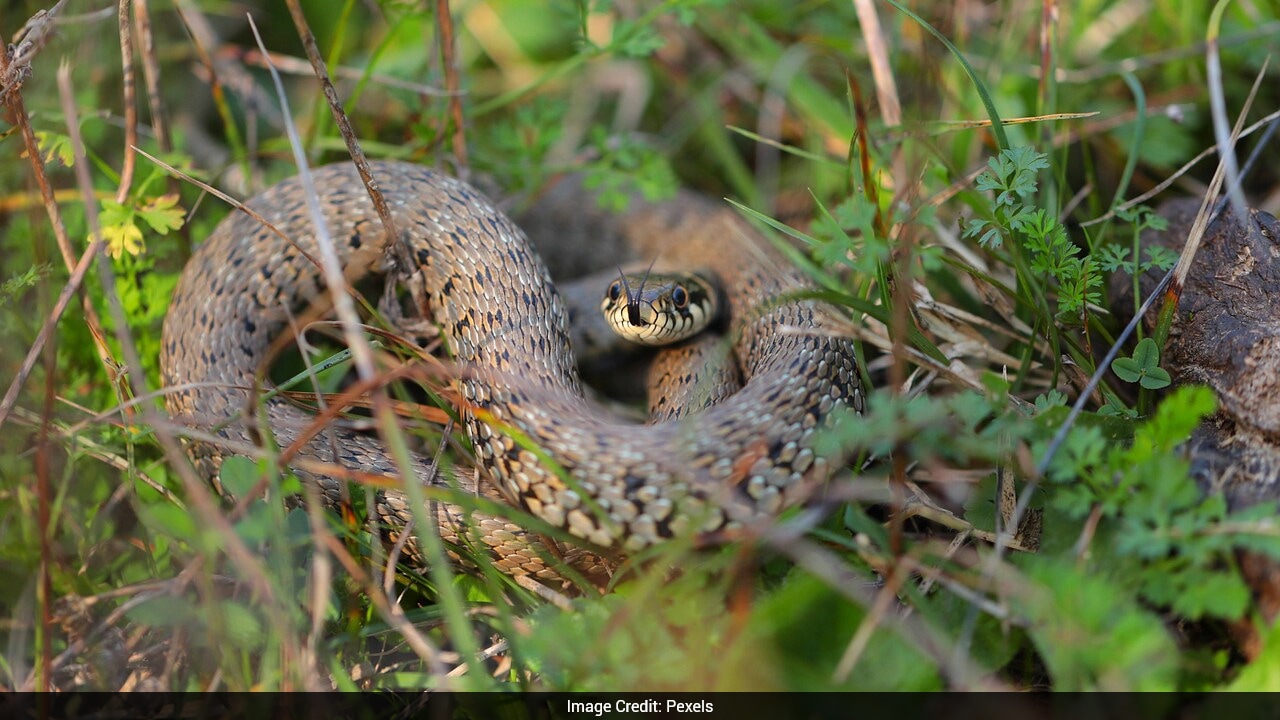
Take the Antiguan racer snake. Back in 1995, there were precisely 51 of them left on a single offshore rock in the Caribbean. A micro-population backed into a genetic bottleneck by rats, mongooses, and human expansion. Fast forward, and intensive conservation efforts have clawed that number past 1,100. Biologists are popping champagne. Nature documentaries are queuing up the triumph-of-life voiceovers.
Stop cheering.
When you artificially prop up a hyper-endemic apex predator on a fragile, isolated island ecosystem without fixing the underlying structural decay, you do not restore nature. You create a zoological terrarium. You freeze a dynamic, brutal evolutionary web in amber and call it preservation.
The Fallacy of the Magic Number
The conservation playbook relies on a comforting delusion: that ecosystems are math problems where X number of individuals equals a healthy population. Hit 500, or 1,000, and you cross some imaginary threshold of perpetuity.
This is garbage. Population size without genetic diversity is just a ticking clock.
When an animal drops to 51 specimens, the genetic erosion is catastrophic. You aren't saving a species; you are rescuing an inbred ghost. Even when those 1,100 snakes slither across their re-established territories, their immune systems are a monoculture disaster waiting for a single novel pathogen. Nature doesn't care about your headcount if every individual shares the same fragile genetic blueprint.
By treating the symptom—low headcounts—conservationists ignore the ecosystem's structural architecture. An island is not a blank canvas waiting for its mascot to return. It is a finite matrix of resources where every predator introduced or hyper-protected alters the trophic cascade in ways we refuse to measure.
The Cost of Playing God with Trophic Webs
Let us talk about what happens when you reintroduce a predatory snake to an ecosystem that spent decades adapting to its absence.
When the Antiguan racer was nearly wiped out, local ground lizards and bird populations experienced a release pressure. They adapted to a world without heavy reptilian predation. They shifted foraging patterns, breeding grounds, and population densities. Now, you dump a thousand hungry, specialized predators back into that habitat.
The standard conservation narrative claims this restores balance. Balance is a myth invented by people who don't understand thermodynamics. It's a continuous, violent negotiation for survival. By artificially inflating the predator population beyond carrying capacity through supplemental feeding, predator-proof sanctuaries, and relentless veterinary micromanagement, we create an unnatural burden on the prey base.
We aren't letting nature heal. We are running an outdoor zoo subsidized by donor money and academic ego.
If a predator requires human handlers to eradicate invasive rats with poison bait, hand-clear brush, and monitor every clutch of eggs, it is not wild. It is a managed asset. And when funding dries up or tourism trends shift, that population will crash harder than it did in 1995 because the local habitat can never naturally support the bloated numbers we engineered.
The Real Crisis Is Habitat Fragmentation, Not Headcounts
Why do we obsess over rare snakes instead of the bulldozers chewing up the rest of the Caribbean? Because counting snakes is sexy. Stopping real estate development is hard.
Governments love conservation success stories because they cost very little compared to structural environmental reform. A few million dollars in grants, a dozen earnest grad students with radio telemetry tags, and politicians get to pose with a non-venomous reptile for local press. It is a greenwashing masterclass.
While everyone celebrates the 1,100th snake, the broader Antiguan landscape is being carved up for luxury resorts, marinas, and roads. The snakes aren't conquering new territory; they are being crammed into shrinking green islands surrounded by asphalt and domestic cats.
Protecting a species in a cage of our own design while destroying its migratory corridors is not conservation. It is taxidermy with a pulse.
Stop Managing Symptoms and Start Letting Go
If we are serious about biodiversity, we need to abandon our paternalistic urge to manage every square meter of wilderness. True conservation requires brutal honesty about triage.
Some species are evolutionary dead ends. Trying to rescue every bottlenecked creature with intensive, life-support interventions diverts millions of dollars away from habitat preservation—the only metric that actually matters. An acre of intact, interconnected forest with moderate biodiversity beats an isolated rock stuffed with 1,100 inbred snakes any day of the week.
We need to stop measuring success by how many individuals fit into a census spreadsheet. Start measuring it by whether an ecosystem can survive without a clipboard-wielding researcher checking its pulse every Tuesday morning.
Until we stop treating nature like a pet project, our greatest conservation triumphs will remain our most fragile failures.