A Tuesday afternoon does not usually ask for courage. It asks for lists. It asks for milk from the corner shop, an unread text answered while waiting for a crosswalk, the small, rhythmic calculations of a life moving on a schedule.
Then a car mounts a curb.
In Newcastle, the transition from ordinary motion to catastrophe took less time than it takes to draw a breath. One moment, the pavement was crowded with the casual traffic of pedestrians—people walking at different speeds, thinking different thoughts, tethered to their own private tomorrows. The next, steel and momentum overrode the rules of the city.
When a machine weighing thousands of pounds intersects with a sidewalk, the mathematics are brutally simple. Flesh offers no resistance. Bones bend. Physics does not pause to check the age of the body it is altering.
At the center of the aftermath lie two figures whose lives previously occupied entirely different epochs. A five-year-old child. A sixty-seven-year-old man.
Consider the span between them. Sixty-two years. One of them had barely learned how to untie their own shoes, how to measure the passage of seasons, how to navigate the terrifying and wonderful permanence of the world. The other had accumulated decades of mornings, had watched decades of governments rise and fall, had known the slow ache of joints and the quiet comfort of routine.
On that pavement, age became irrelevant.
In hospital wards illuminated by the sterile, unwavering glare of monitors, both remain in critical condition. The phrase "critical condition" is a reporter's shorthand, clinical and detached, designed to fit into a headline without breaking the reader's heart too quickly. But unpack those words. They mean tubes breathing for lungs that forgot how to do it alone. They mean families sitting on hard plastic chairs in sterile waiting rooms, watching second hands crawl around a clock face, bargaining with an invisible arithmetic of survival. They mean a quietness in the room that is heavier than any noise.
We live in cities designed for speed, built on the premise that getting somewhere fifty seconds faster is worth the invisible tax we pay in risk. Every time we step off a curb, we enter a silent social contract with thousands of strangers operating combustion engines. We trust that they see us. We trust that their brakes will hold, that their minds will not wander, that a momentary lapse in attention will not cost someone else everything.
Most days, that contract is honored. The system hums along.
And then a day comes when it fails.
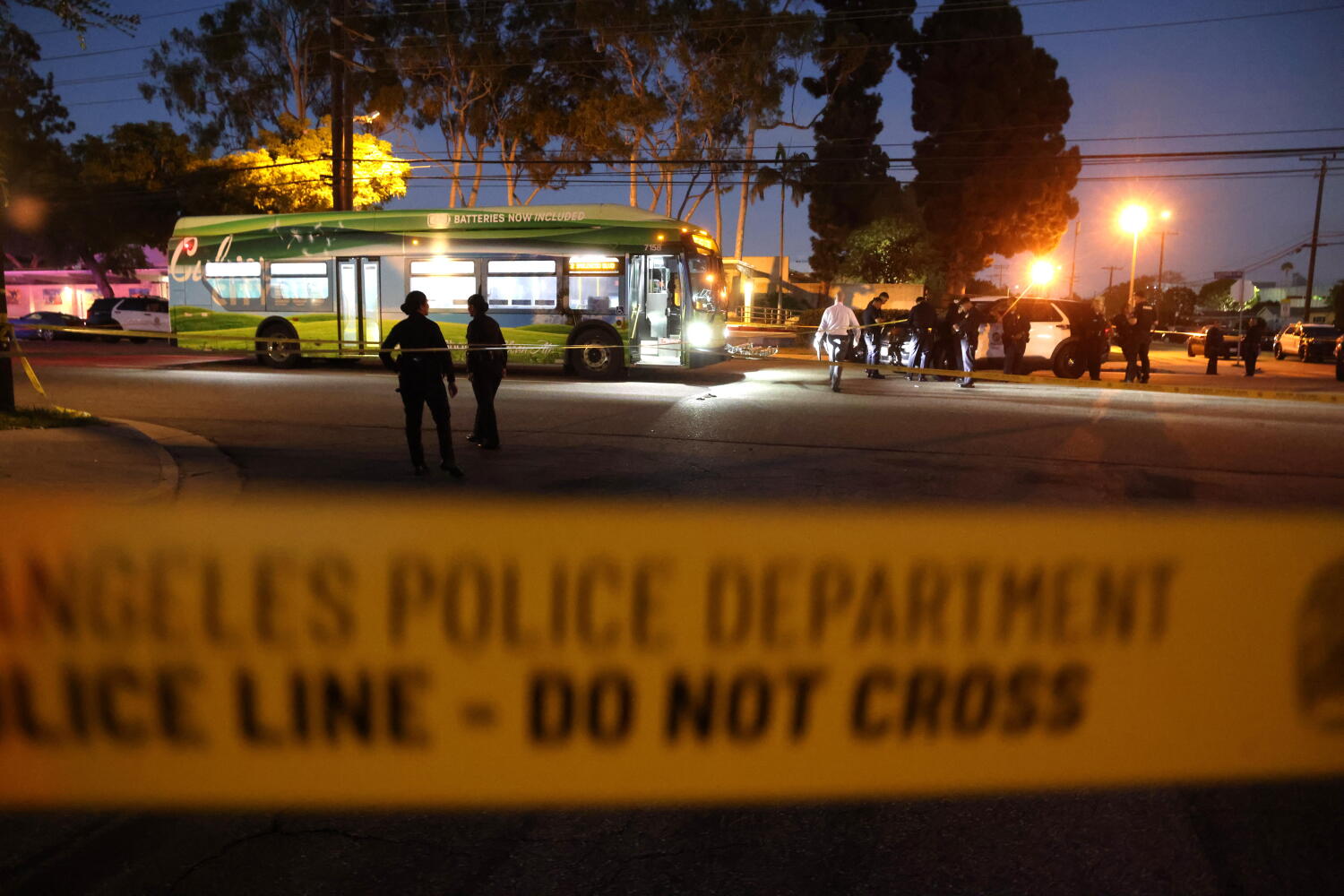
The investigation in Newcastle will follow its standard, necessary arc. Police will examine brake lines and toxicology reports. They will interview witnesses whose memories are already fracturing under the weight of shock, trying to piece together the exact trajectory of a tragedy that feels, to those who lived it, like a lightning strike.
Yet an inquiry into skid marks and reaction times misses the deeper truth of what happened on that street.
A street is not merely a corridor for commerce and transit. It is a shared room. It is a place where our safety is entirely dependent on the collective restraint of everyone sharing the space. When that restraint breaks down, the vulnerability is absolute.
Think of the parents of that five-year-old child. Earlier that day, their primary concerns were likely mundane: a lost favorite toy, a spilled cup of juice, the rush to get out the door on time. Those worries are now vaporized, replaced by the profound, agonizing terror of a bedside vigil.
Think of the family of the sixty-seven-year-old man, whose ordinary afternoon was similarly shattered, transforming a quiet life into a medical emergency.
We read these headlines over morning coffee or on glowing screens during a subway commute. We feel a sharp, visceral pang of horror, and then we scroll down. We look at the weather, or sports scores, or celebrity gossip. We return to our lists. We cross the street.
We have to return, of course. Life demands continuation. But for one small child and one older man in Newcastle, and for the families holding vigil in the sterile light, the world has narrowed down to the steady, rhythmic beep of a machine, measuring out time in droplets of hope.