Most people skip right past the down-ballot races when they look at election results. Big mistake. While cable news obsesses over Senate margins and House flips, the real battle for the 2028 presidential race just played out in a set of offices most voters couldn't name if you paid them.
Democrats just pulled off a string of critical secretary of state wins in key battleground states. If you're wondering why party strategists are celebrating these victories like they just won the White House, you aren't paying close enough attention to how American elections actually run.
Let's be honest about what a secretary of state actually does. They don't pass tax cuts. They don't appoint judges. They manage the machinery of democracy itself. And heading into 2028, controlling that machinery isn't just an administrative perk—it's everything.
What Secretary of State Wins Actually Change for 2028
If you think the 2028 election starts when candidates announce their campaigns, you're already behind. The rules of the game get written years earlier by the chief election officials in states like Arizona, Michigan, Nevada, and Georgia.
When Democrats win these offices, they gain direct oversight over how ballots get printed, how voter rolls get maintained, and how votes get certified. That's not hyperbole. In most states, the secretary of state is the top referee on election night.
Here's what changes immediately when a Democrat holds that gavel instead of an election-denying opponent:
- Certification stays boring. In a normal world, certifying election results is a routine ministerial duty. Over the past few election cycles, it became a flashpoint for partisan gridlock and delayed counts. Democratic secretaries of state have consistently committed to certifying accurate results on time without political theater.
- Voter access gets protected. From mail-in ballot drop boxes to early voting windows, the person running the state's election division sets the tone for local county clerks. They issue the guidance that decides whether minor clerical errors get cured or tossed out.
- Disinformation meets rapid pushback. State election websites and official social media channels become frontline defense tools against coordinated lies about voting machines and precinct wait times.
I've watched county election boards up close for years, and the biggest misconception voters have is thinking state law runs itself. It doesn't. Two different secretaries of state can read the exact same statute and issue completely opposite directives to local registrars. One interpretation expands access. The other creates bottlenecks that disproportionately hit urban precincts.
Why Battleground States Were the Real Prize
You don't need to win every secretary of state race in the country to shape a presidential election. You only need to hold the Blue Wall and the Sun Belt swing states.
Look at the map that decides almost every modern presidential contest. Arizona, Nevada, Michigan, Wisconsin, Pennsylvania, and Georgia carry the electoral votes that make or break a campaign. Note that Pennsylvania and Wisconsin handle election administration differently—Pennsylvania's secretary of the commonwealth is appointed by the governor, while Wisconsin relies on a bipartisan elections commission. That makes the states where voters directly elect their chief election official even higher stakes.
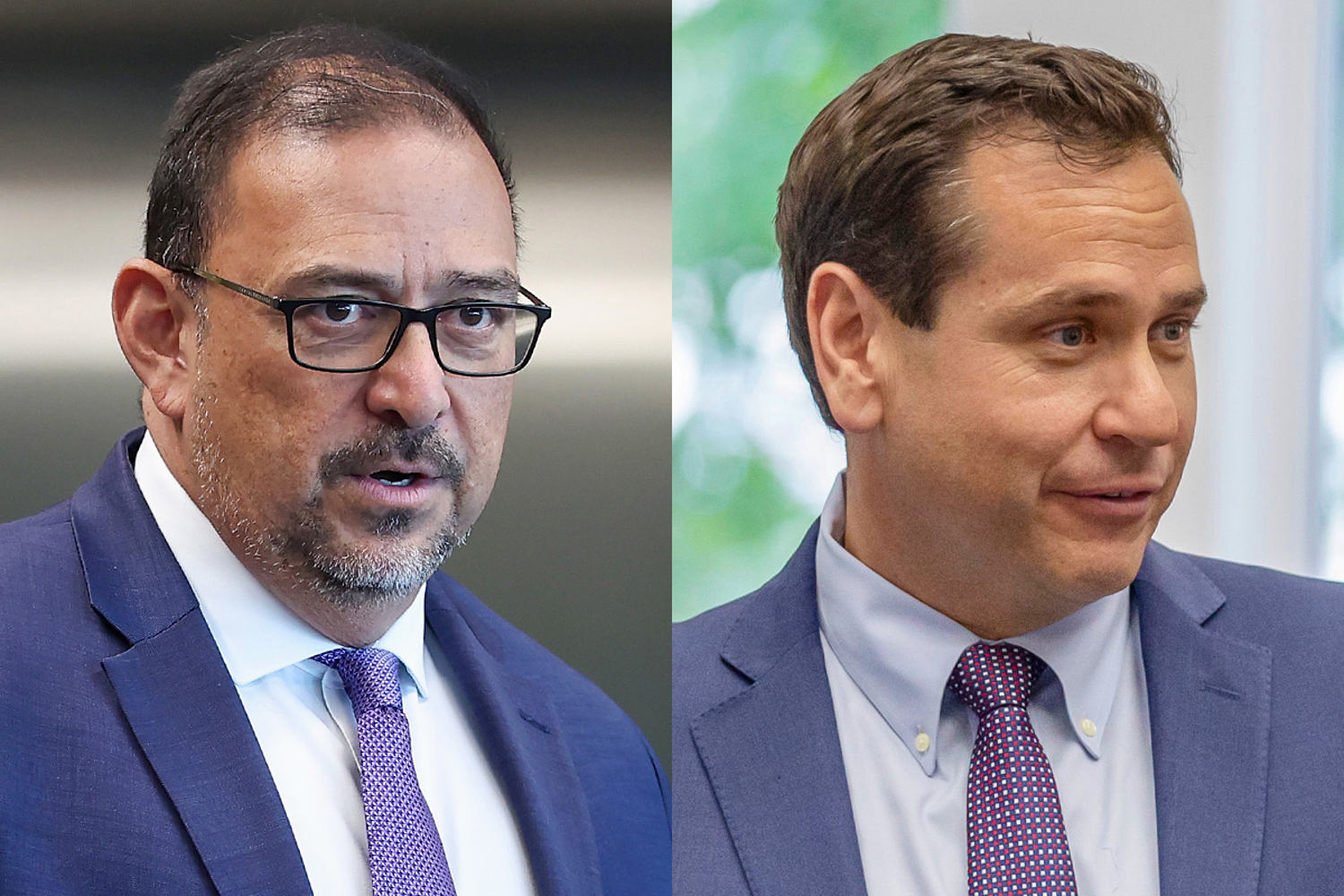
In states like Arizona and Michigan, where Democratic secretaries of state like Adrian Fontes and Jocelyn Benson have served as high-profile defenders of election workers, keeping these seats in Democratic hands prevents a total overhaul of voting infrastructure right before 2028.
Think about the logistics. Upgrading voting machines, training thousands of temporary poll workers, and securing voter registration databases against cyber threats takes years of continuous planning. When an office flips to someone hostile to existing voting systems, the first thing they often do is scrap proven vendor contracts, purge voter rolls aggressively, or dismantle mail-in voting infrastructure.
Stability wins elections. Chaos favors whoever wants to cast doubt on the outcome.
The Money Behind Down-Ballot Election Races
For decades, secretary of state campaigns were sleepy affairs. Candidates raised a few hundred thousand dollars, shook hands at county fairs, and prayed voters remembered their names at the bottom of the ticket.
Those days are dead.
Following the post-2020 push to install partisan loyalists in election administration roles, organizations like the Democratic Association of Secretaries of State (DASS) and major donor networks started treating these races like top-of-the-ticket Senate battles. Millions of dollars poured into TV ads, digital outreach, and field organizing specifically designed to stop voters from leaving the bottom of their ballots blank.
It worked because the messaging shifted. Instead of talking about bureaucratic efficiency or business registration filings—yes, secretaries of state also handle corporate filings—Democrats framed these races around a simple question. Do you trust this person to count your vote honestly?
Voters got the message. Even in cycles where economic anxiety dragged down other candidates on the ticket, voters frequently split their ballots to reject candidates who questioned basic election integrity. Independent and moderate suburban voters, in particular, showed zero appetite for turning their state's election office into a partisan laboratory.
What Most People Miss About Election Administration
If you're trying to understand how these wins ripple outward, stop looking only at November 2028. Look at what happens in the quiet months of 2027.
First, there's voter list maintenance. Federal law under the National Voter Registration Act requires states to keep their voter rolls accurate, removing people who have moved away or passed away. How a state executes that requirement is hugely controversial. Democratic secretaries of state generally favor cross-checking data carefully and using multi-step confirmation notices before removing anyone, often through partnerships like the Electronic Registration Information Center (ERIC). Overly aggressive purges, on the other hand, routinely catch eligible voters in the net—especially young voters, renters, and military families who move frequently.
Second, look at local election worker retention. Since 2020, county clerks and poll workers have faced unprecedented levels of harassment, death threats, and burnout. Experienced administrators have walked away from the job in droves, taking decades of institutional knowledge with them. A supportive secretary of state provides legal backing, physical security grants, and clear guidance to local clerks so they don't feel abandoned when fringe groups flood their offices with frivolous public records requests.
Third, consider litigation positioning. Almost every major voting rule in a battleground state ends up in front of a judge before Election Day. When a partisan group sues to toss out mail ballots arriving on Election Day or restrict drop boxes, the secretary of state is usually the named defendant. Who holds that office determines whether the state vigorously defends voter access in court or quietly caves to the plaintiffs.
The Limits of Winning the Office
Let's not pretend winning the secretary of state's office solves every problem for Democrats heading into 2028. It doesn't.
In several battleground states, Republican-controlled legislatures have spent the last few years stripping powers away from Democratic governors and secretaries of state. Lawmakers have shifted certain rule-making authorities to legislative committees, restricted how private grant money can fund local election offices, and created new criminal penalties for minor administrative mistakes by poll workers.
A secretary of state can't rewrite state statutes by executive fiat. If a legislature passes stricter voter ID laws or shortens early voting windows, the secretary of state has to enforce the law on the books unless a court strikes it down.
County-level pushback is another real hurdle. Even with a Democrat running the state office, rogue county election boards can still try to delay local certification, forcing the secretary of state to go to court to compel them to do their jobs. We've seen that exact playbook tested in recent cycles, and it requires constant legal vigilance to shut down.
How Voters Can Track What Happens Next
Elections don't end when the networks call the race, and accountability shouldn't either. If you live in a battleground state—or honestly, any state—you can see the impact of these races long before 2028 rolls around.
Start by checking your own voter registration status directly through your state's official secretary of state portal, not a third-party website. Make sure your address, party affiliation, and signature on file are up to date, especially if you haven't voted in a local election recently.
Pay attention to your state's administrative rulemaking notices over the next year. Whenever a secretary of state proposes changes to ballot curing deadlines, signature verification standards, or drop box guidelines, there's usually a public comment period. Local voting rights groups track these dockets closely, and public input genuinely shapes how final rules get written.
Finally, if you want to see how the sausage gets made, sign up to be a poll worker for your local county election board in the upcoming municipal primaries. You'll learn more about how elections actually stay secure in one fourteen-hour shift than you ever will watching cable news.