Every election cycle, a handful of multi-millionaires and tech billionaires convince themselves they have cracked the political code. They look at the messy, grueling process of modern fundraising and decide to skip it entirely. Why beg strangers for $3,500 checks when you can just log into your brokerage account and transfer $50 million directly to a campaign Super PAC? It sounds like the ultimate political cheat code. You don't owe favors to special interests, you retain total strategic control, and you possess a massive financial head start.
There's just one problem. It almost never works.
Data from the National Institute on Money in Politics reveals a brutal truth for wealthy self-funded candidates. Over the long haul, only about 11% to 12% of heavily self-financed candidates actually win their general elections. Compare that to the rest of the field, where non-self-funded candidates regularly pull in a success rate north of 50%. Writing your own check looks like a display of strength, but it's usually a symptom of a fatally flawed strategy. Wealthy political outsiders completely misunderstand how money works in a campaign.
The Fatal Illusion of Buying Votes
Money in politics is essential, but it doesn't buy victory. Think of campaign cash as fuel. If you don't have any, your car isn't going anywhere. But if you fill an entire dump truck with premium fuel, it still won't turn into a Formula 1 race car.
When a candidate relies purely on their own bank account, they miss out on the most valuable hidden benefit of traditional fundraising: market validation.
When a traditional candidate cold-calls hundreds of donors or hosts dozens of local events, they aren't just collecting money. They are testing their message. If the message resonates, the money flows. If the message falls flat, the fundraising stalls. This feedback loop is painful, but it's a vital early warning system. If everyday people and local activists refuse to give you money, it usually means they aren't going to give you their votes either.
Self-funders bypass this entire process. They live inside an expensive bubble of their own making. Because their campaign accounts are always flush with cash, they never receive the wake-up call that their platform is unappealing or out of touch. They keep spending millions on television and digital ads, screaming a message into the void that nobody wants to hear.
Why Organic Donors Equal True Power
Consider what happens when a regular person decides to donate $25 or $50 to a campaign. That action is a profound psychological commitment.
Once someone transfers hard-earned money to your political campaign, they become deeply invested in your success. They talk to their neighbors. They sign up to knock on doors. They post about you on social media, wear your campaign t-shirts, and show up to vote on election day.
- 1,000 individual donors means you have 1,000 active, highly motivated salespeople building a grassroots movement on your behalf.
- One $10 million check from a billionaire means you have exactly one voter locked in: the candidate.
You cannot hire people to recreate authentic grassroots energy. Political consultants will happily take millions of dollars to hire paid canvas operations and phone banks, but paid staffers simply do not care as much as genuine volunteers. Voters smell the corporate, top-down nature of a heavily self-funded campaign from a mile away.
High Profile Failures That Prove the Rule
The political graveyard is littered with the ambitions of ultra-wealthy individuals who thought their business success would effortlessly translate to the ballot box.
Take Meg Whitman's historic 2010 run for governor of California. She poured roughly $144 million of her personal fortune into the race, shattering records at the time. She bombarded the airwaves, outspent her opponent by massive margins, and ultimately lost by double digits to Jerry Brown, a career politician who ran a comparatively lean, traditional campaign.
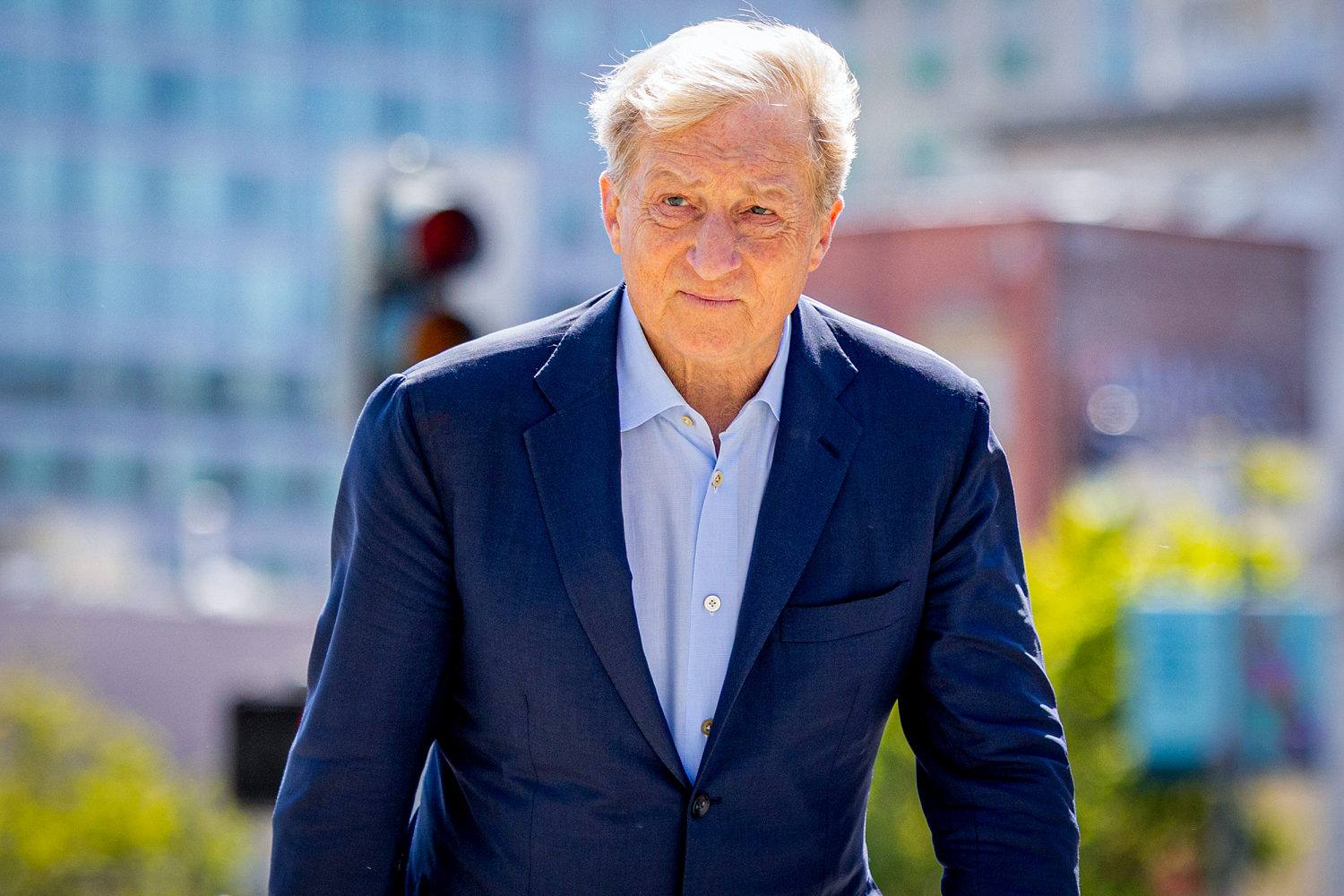
Even in the 2026 California gubernatorial primary cycle, we see figures like billionaire Tom Steyer pumping over $132 million of his own money into the race, trying to break through a crowded field. The sheer volume of television and streaming ads in massive media markets like Los Angeles and the Bay Area eats up 70% to 80% of these budgets instantly. Yet, historical data shows that saturation advertising has rapidly diminishing returns.
When a candidate's primary credential is "I am rich enough to pay for this," voters get skeptical fast. Opponents easily weaponize that wealth, turning the candidate's biggest asset into an existential liability. It allows the opposition to frame the entire race as an attempt to buy public office.
The Exceptions to the Rule
Are there exceptions? Of course.
JB Pritzker broke records in Illinois by spending over $171 million of his own money to win the governorship. In Colorado, Jared Polis used his personal wealth effectively to secure his seat. But if you study these specific anomalies, a clear pattern emerges. These candidates didn't just drop from the sky with a checkbook; they built genuine political coalitions, aligned themselves deeply with their party's core grassroots base, and possessed actual political experience or a strong message that extended far beyond their net worth.
Wealth can augment a great candidate, but it cannot fix a bad one.
Strategic Blueprint for Wealthy Political Outsiders
If you are a high-net-worth individual looking to run for public office, you need to completely change your approach to financing. Stop viewing your personal wealth as your primary engine. Instead, treat it as emergency backup power.
First, commit to raising the first $1 million of your campaign from actual human beings. If you cannot convince a broad base of donors to support you early on, your campaign is dead on arrival anyway. Use your personal wealth exclusively for the unglamorous, foundational parts of the campaign: infrastructure, data analytics, and early staff recruitment.
Second, limit your personal contributions to a fixed percentage of your total budget. Force yourself to play by the same rules of message testing and audience engagement as everyone else. If your message isn't driving grassroots donations by month three, fire your consultants, re-evaluate your platform, and listen to what the electorate is actually telling you. Money can buy airtime, but it can't buy trust. Build the trust first, and the votes will follow.