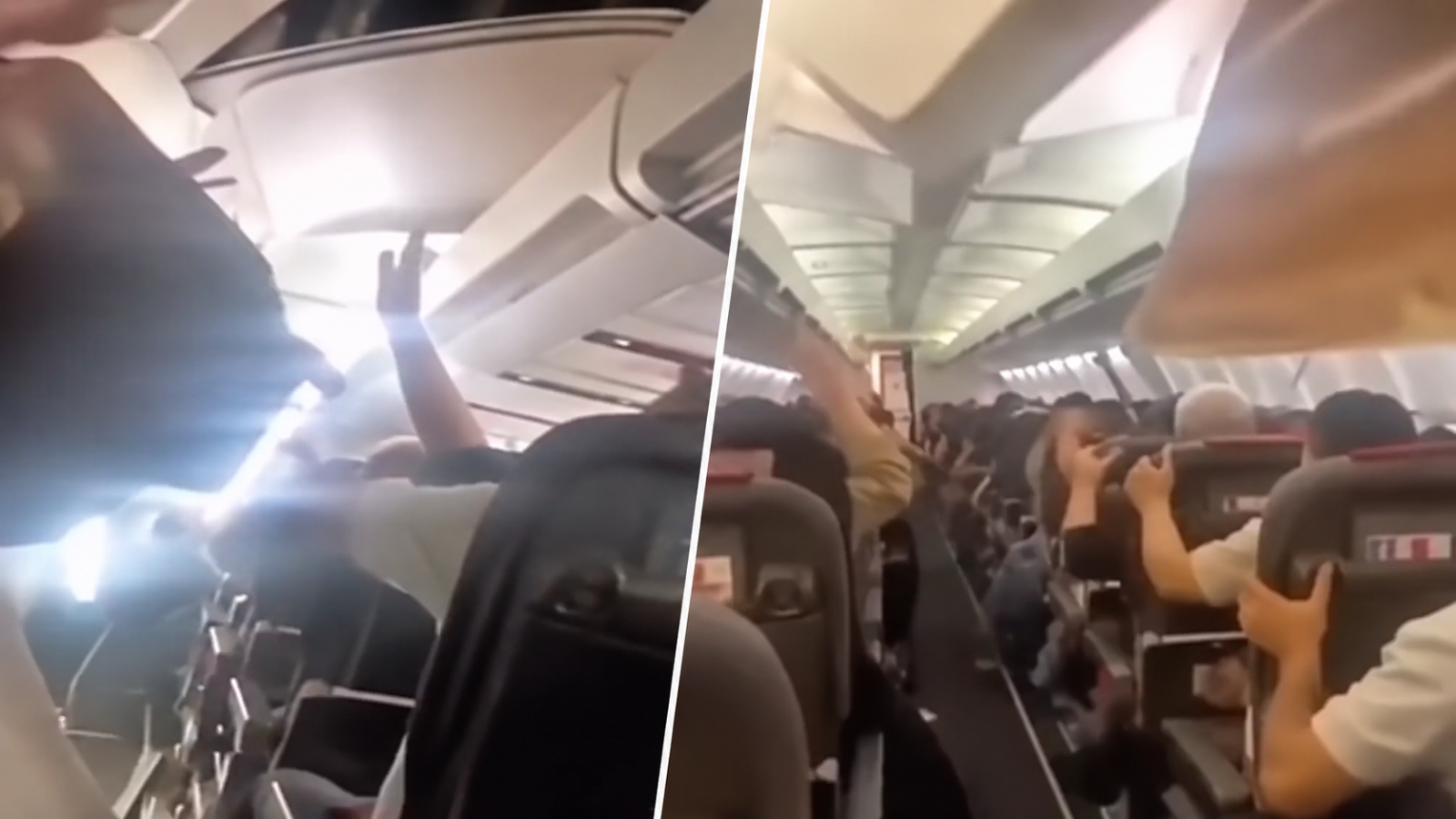
Imagine sitting in a commercial airliner cabin when the roof literally starts peeling away above your head. That nightmare became reality for passengers on board a Sepehran Airlines Boeing 737. Heavy vibrations shook the aircraft, luggage tumbled out of overhead bins, and interior panels buckled under pressure. Social media feeds quickly filled with footage of terrified flyers ducking for cover.
While aviation reports confirmed that everyone walked away safely, the incident shines a harsh light on aging commercial fleets and the compounding pressures facing regional carriers. Let's look past the viral panic and unpack what actually happened during that emergency flight.
The Sequence of Events at Mashhad
The flight departed from Mashhad International Airport in Iran, bound for Kermanshah. Almost immediately after takeoff, things went sideways. Early technical assessments indicated that a tire burst or blew out on the runway, kicking off a chain reaction that resulted in severe engine vibrations.
When an aircraft experiences violent mechanical shaking at high thrust levels, the stress transfers directly into the frame. The pilots did everything right by turning the plane around for an immediate emergency landing back at Mashhad. But as the jet fought to stay stable, the interior architecture failed. Ceiling panels and lining materials gave way, exposing the inner skeleton of the cabin and terrifying the passengers below.
Did the Plane Actually Fall Apart?
A lot of sensational headlines claimed the Boeing 737 was "falling apart mid-flight". We need to separate structural failure from interior detachment.
The main fuselage and the structural roof of the aircraft remained intact. What collapsed were the cabin interior panels—the lightweight drop-down cosmetic liners that hide wiring, insulation, and air ducts. However, minimizing this as "just cosmetic" misses the point. When interior panels rip loose during heavy turbulence or violent mechanical stress, they turn into heavy projectiles. Overhead bins popped open, and personal items rained down onto the rows.
The Broader Maintenance Reality
Incidents like this don't happen in a vacuum. Sepehran Airlines operates an older fleet. For years, commercial aviation in Iran has operated under the heavy shadow of international sanctions. These economic barriers make acquiring factory-certified replacement parts, specialized maintenance tools, and direct manufacturer support exceptionally difficult.
When airlines have to rely on alternative supply chains or keep older airframes flying past typical modernization cycles, the margin for error shrinks. This particular flight wasn't even the carrier's only recent scare at Mashhad airport; earlier structural mishaps involving landing gear had already put local safety regulators on edge.
What This Means for Everyday Air Travelers
Seeing cabin ceilings give way naturally rattles public confidence. Yet, statistics still show that commercial aviation remains remarkably safe compared to other forms of travel. The flight crew's training saved the day here. They managed a severe engine and landing gear disturbance, kept the bird in the air, and brought it down without a single reported injury.
If you fly frequently, incidents like this serve as a stark reminder of why basic safety rules exist. Always keep your seatbelt fastened securely whenever you are seated, even when the fasten-seatbelt sign is turned off. Unsecured baggage flying around a cabin during sudden decompression or violent vibration causes more injuries than structural failures ever do.
Check your airline's safety record and fleet age when booking regional flights in heavily sanctioned or remote regions. Maintenance depth matters just as much as pilot skill.
Boeing 737 cabin ceiling collapse emergency landing in Iran
This footage captures the dramatic mid-flight moments and the interior cabin damage sustained during the emergency return to Mashhad.