The border winds carry a sharp, bitter chill down from the Hindu Kush, but the cold inside the Peshawar checkpoint has nothing to do with altitude. It is the cold of a reckoning.
Sit for an afternoon in a quiet courtyard near the Khyber Pass, and you will hear the low hum of distant sirens mingling with the rustle of dry autumn leaves. People here do not speak of geopolitical strategies in grand, sterile conference rooms. They speak of names whispered in the night, of sudden detonations that shatter teacups, and of an old, fatal gamble that has finally curdled into nightmare.
Reports from international security monitors and recent assessments by analysts—echoed by stark warnings from former Pakistani ambassador Husain Haggani—paint an unambiguous picture. Pakistan stands as the nation most impacted by terrorism globally in 2026. Blood continues to soak its soil, trade routes choke under the weight of heightened security alerts, and communities live in a perpetual state of amber-alert anxiety.
Yet, this tragedy is not an act of weather. It is not an unprovoked storm sent by angry heavens. It is the harvest of seeds planted decades ago, watered with state ambition, and allowed to grow unchecked until their roots cracked the very foundation of the nation.
To understand how a country arrives at this precipice, we must step back into the shadows of the 1980s and 1990s.
Imagine a cold war chessboard. Across the mountains, Soviet tanks rumbled through the valleys of Afghanistan. In response, intelligence strategists in Islamabad and foreign capitals cooked up a dangerous doctrine. They decided that militants could be categorized. There were "good" fighters—those who could cross the Durand Line to bleed foreign occupiers or project strategic depth into a rival neighbor—and there were "bad" fighters who threatened the domestic state.
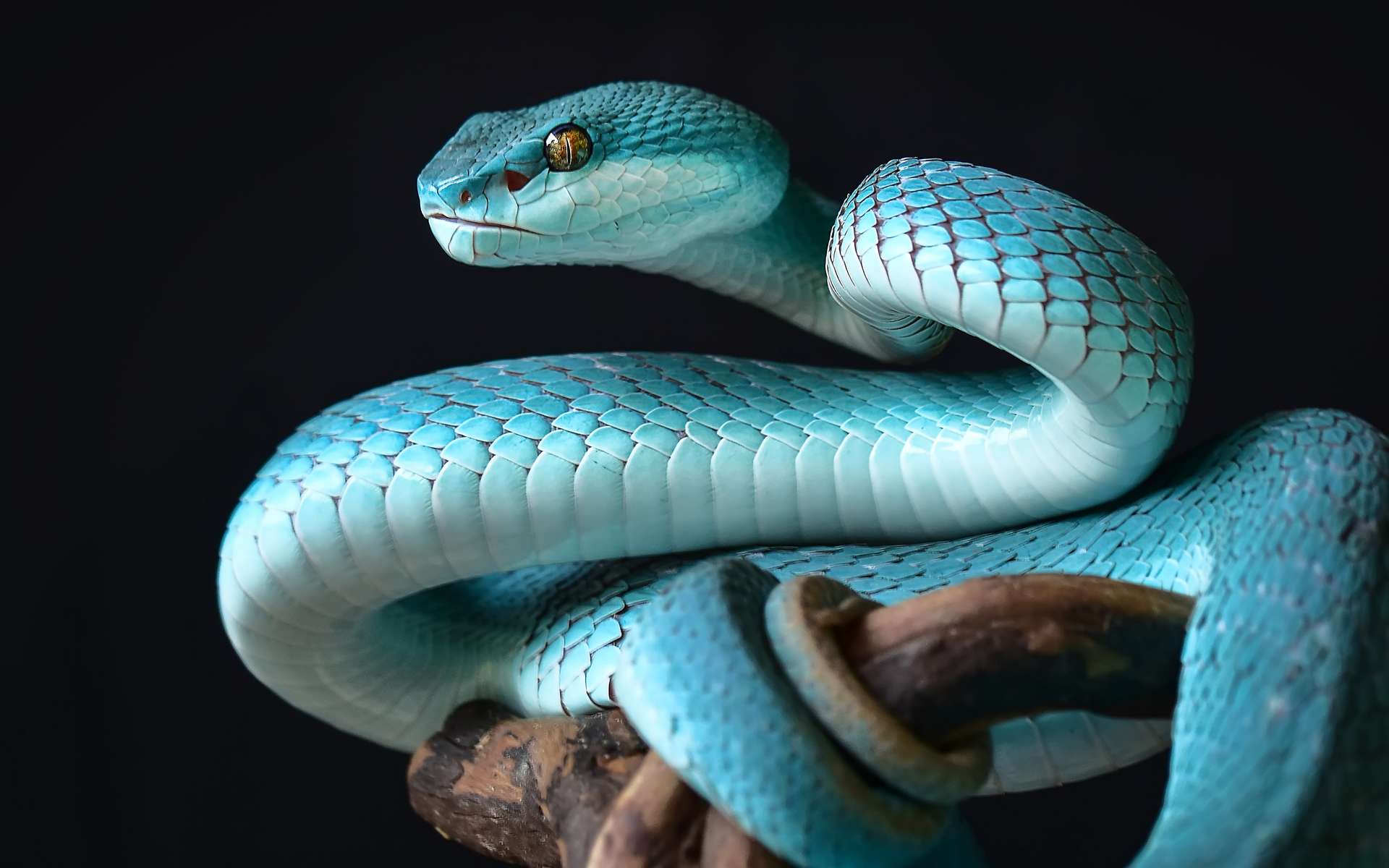
It was an intoxicating illusion. Leaders convinced themselves they could keep venomous serpents in their backyards, feeding them scraps of financial patronage and logistical cover, while securely locking the doors to their own homes.
The strategy had a seductive logic to cynical minds. Why fight conventional wars when asymmetric proxies can do the heavy lifting? Why spend billions on direct confrontation when irregular militias can bleed an adversary by a thousand cuts?
For a time, the architects of this policy felt clever. They watched from high balconies as conflicts raged elsewhere. But snakes do not care about geopolitical blueprints. They do not respect boundary lines drawn on dusty maps by departing empires. They grow. They shed their skins. And eventually, they turn on the hand that feeds them.
Consider what happens when a state outsources its violence. The machinery of militancy develops its own heartbeat, its own economy, and its own ideological momentum.
By the time the illusion shattered, the backyards were overflowing. The domestic wing of the militant apparatus—fused with regional offshoots like the Tehreek-e-Taliban Pakistan—decided that the local government was not pure enough, not compliant enough, and certainly not immune to holy war.
The chickens came home to roost with the force of artillery fire. Schools filled with children became targets. Mosques during Friday prayers turned into charnel houses. Paramilitary check-posts in the rugged frontier provinces began absorbing relentless assaults.
Husain Haggani, drawing from years of diplomatic experience and deep institutional insight, has long diagnosed this pathology. He has pointed out the persistent refusal of successive establishments to abandon the fantasy of good versus bad militants. Whenever a temporary lull occurs, the temptation returns. The old habits whispered in the corridors of power die hard. Leaders keep hoping that a little bit of proxy leverage will solve their immediate security dilemmas, ignoring the systemic rot it causes within their own society.
The cost of this delusion is paid in human currency.
Walk through a hospital ward in Quetta or Peshawar. Listen to the steady, rhythmic beep of heart monitors. Speak to a mother whose son left for university and returned in a shroud. Ask a shopkeeper in a bustling bazaar why he now checks the underside of every parked car for suspicious wires.
This is the invisible tax of state-sponsored militancy. It is paid in stunted economic growth, as foreign investors look at the recurring cycle of bombings and capital flight, turning their wallets elsewhere. It is paid in the erosion of civic trust, where citizens look at the uniform of the state and wonder if it protects them or bargains with their executioners.
Nations, much like individuals, eventually have to look in the mirror and confront their own ghosts.
The hard truth is that terrorism cannot be defeated selectively. You cannot sponsor radicalism abroad while preaching moderation at home. You cannot nurture extremist ideologies as tools of foreign policy without infecting the minds of your own youth. The ideological poison is a universal solvent; it dissolves everything it touches, regardless of whose uniform the victim wears.
As the data for 2026 confirms Pakistan's grim standing at the epicenter of global terror metrics, the establishment faces a stark fork in the road.
One path leads further into denial. It involves blaming external actors, spinning elaborate conspiracy theories to deflect accountability, and hunting for new proxies to replace the old ones. It is a path of endless decay, where the state gradually hollows out from within, consumed by the very monsters it once coddled.
The other path requires a historic, agonizing act of moral courage. It demands a complete abandonment of the backyard menagerie. It means purging the mindset that views militants as assets. It requires dismantling the infrastructure of radicalization, securing the porous borders not just with barbed wire, but with an uncompromising rejection of extremist ideology in all its forms.
The wind howls down from the mountains once more, rattling the iron gates of the checkpoint.
Inside, a young soldier stares out into the gathering dusk, his rifle resting across his knees. He is tired. The country behind him is tired. The collective soul of a nation is weary of burying its best and brightest. The serpents are no longer hidden in the dark corners of the yard. They are striking at the front door.
And the time for illusions has finally run out.