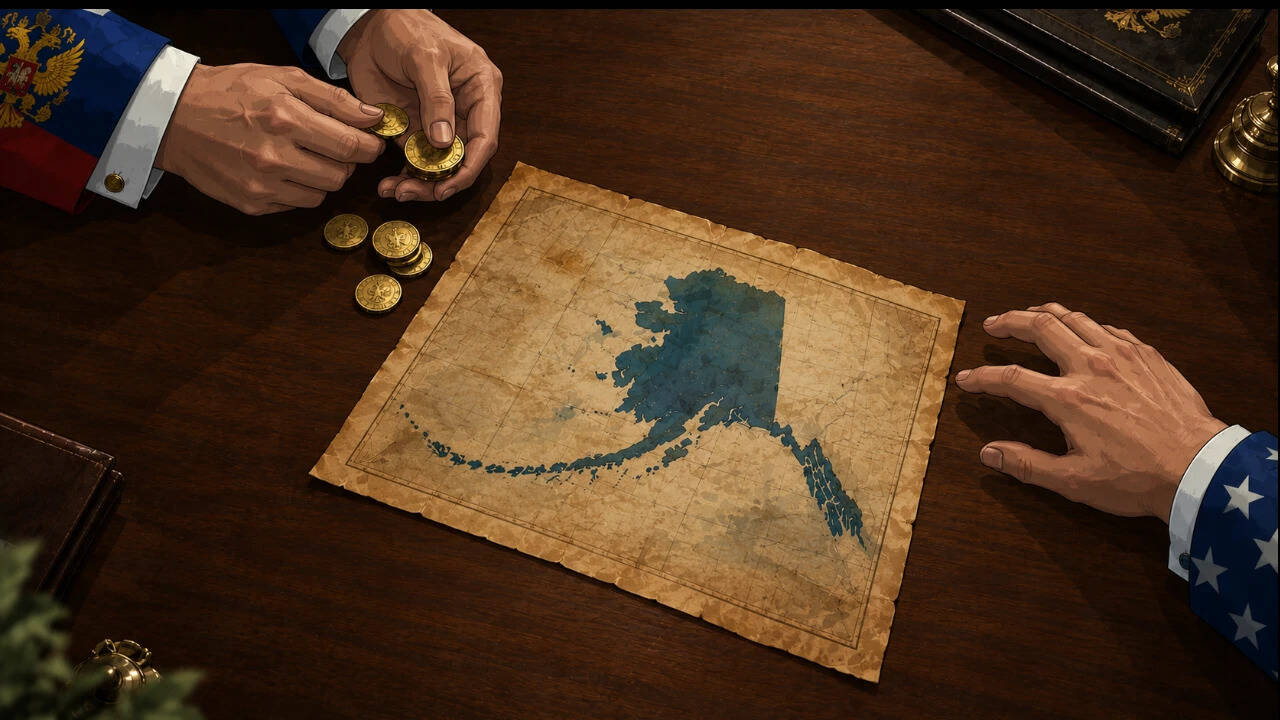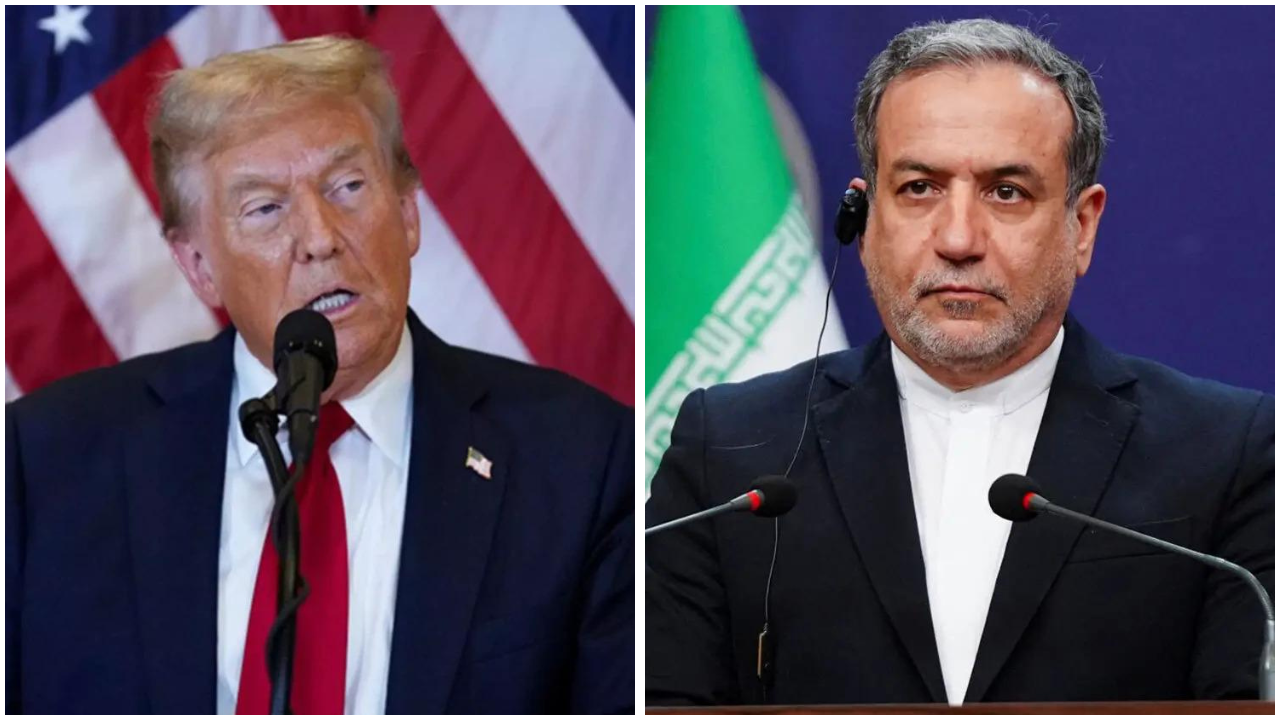
Seven days.
To a commuter sitting in stalled traffic outside Chicago, a bakery owner watching flour prices climb in Cairo, or a factory shift supervisor in southern Japan, seven days is just a week. A paycheck cycle. A school term's worth of packed lunches. Barely enough time to finish a paperback novel before the weekend slips away.
Yet when Iran offers to reopen the Strait of Hormuz in seven days—provided Washington accepts its conditions—seven days becomes a lifetime measured in diesel, air cargo, hospital generator fuel, and nervous whispers across every trading floor on earth.
Let's be honest with ourselves for a second. Headlines like this numb us. We read about geopolitical ultimatums over breakfast, scroll past a map with a red arrow pointing at a sliver of blue water between Iran and Oman, and wonder why an obscure maritime lane thousands of miles away should change what we pay to heat our homes or ship a pallet of parts. Even people who track global affairs closely can feel dizzy trying to separate bluff from brinkmanship when diplomatic demands arrive wrapped in deadlines. I don't pretend to have a crystal ball into every room in Tehran or Washington, and anyone who claims absolute certainty about how a high-stakes standoff will end is selling you a story thicker than crude oil.
Still, we don't need a crystal ball to see what a seven-day clock actually does to human lives.
To understand why this narrow waterway carries so much weight, picture a giant hourglass flipped upside down. At the top sits the Persian Gulf, wide and rich with energy pumped from desert sands. At the bottom lies the open ocean, thirsty for fuel. Between them pinches the Strait of Hormuz, narrowing at its shipping lanes to a couple of miles wide for vessels coming and going. Every drop of oil and liquefied natural gas moving out of the Gulf by sea has to squeeze through that throat. (This hourglass comparison is a metaphor meant to show how a narrow bottleneck concentrates massive volume, not a literal description of the seabed.)
When traffic slows, stops, or runs under the shadow of a seven-day ultimatum, the pressure doesn't stay trapped in the Gulf. It backs up into freight rates, war-risk insurance premiums, refinery schedules, and household budgets thousands of miles away.
A Week on the Bridge of a Waiting Tanker
To see what a seven-day deadline feels like up close, consider a hypothetical vessel—let's call her the MV Al-Fajr, a very large crude carrier riding low in warm salt water just outside the Gulf of Oman. (To be clear, Al-Fajr and its crew are a hypothetical composite built to illustrate real maritime realities, not a specific ship currently in the news.)
Up on the bridge, the air smells faintly of hot coffee, ozone from navigation screens, and salt. Outside, the sun beats down on flat, glassy water that looks peaceful enough to paint. Inside, nobody is painting. The chief mate stares at radar returns and automatic identification pings, watching dozens of other hulls loiter in holding patterns like cars idling before a washed-out bridge.
A crew member's phone buzzes with a fragmented message from home—a delayed wire transfer, a question about when the ship will reach port, a worry about rising fuel costs back inland. Seafarers live in a strange suspended animation during a chokepoint crisis. They aren't firing missiles or drafting diplomatic cables. They are simply waiting on orders, watching the meter tick on hull insurance and charter contracts while knowing that a miscalculation by someone thousands of miles away could turn calm water into a nightmare.
Seven days sounds short when you're sitting on a couch. Out on open water, under a diplomatic clock tied to American concessions, seven days feels like standing on thin ice while two people argue over who owns the pond.
Notice how tight the geography is in that view. Land crowds the channel from both sides, leaving merchant captains little room to maneuver and naval planners little margin for error. When a state ties reopening that passage to a seven-day window and specific political conditions in the United States, it turns an everyday commercial highway into a bargaining chip.
Why Conditions and Clocks Change Everything
Diplomatic offers framed around a strict countdown do two things at once. First, they test nerve. A seven-day window forces capitals to weigh the cost of concession against the cost of prolonged disruption. If Washington rejects Tehran's conditions, the clock runs out and the standoff deepens. If Washington accepts—or negotiates a face-saving compromise before the deadline—the water stays open, at least until the next dispute flares.
Second, markets don't wait for day seven to react.
Commodities traders, shipping insurers, and supply-chain managers price risk in real time. The moment a chokepoint faces closure or conditional reopening, underwriters recalculate premiums for ships transiting the area. Even if physical barrels keep moving—or if tankers hold back waiting for clarity—the mere threat of a seven-day cutoff injects volatility into oil prices, freight rates, and manufacturing schedules.
Think about a mid-sized manufacturer in Ohio or Bavaria that relies on specialty chemicals or plastics refined from Gulf feedstocks. A one-week delay at sea doesn't just add seven days to a calendar. If a vessel misses its berth window, gets rerouted, or sits idle waiting for insurance clearance, a seven-day diplomatic window can easily stretch into a three- or four-week ripple across factories and warehouses.
That's the hidden arithmetic of chokepoints. Small delays at the bottleneck multiply down the line.
History Has a Way of Rhyming
Anyone who has watched Middle East maritime tensions over the past several decades knows this rhythm well. From the "Tanker War" of the 1980s, when mines and anti-ship missiles threatened commercial vessels in the Gulf, to recurring episodes of seized ships, limpet mines, and naval standoffs in later years, the Strait of Hormuz has repeatedly served as both a lifeline and a lever.
During the 1980s conflict between Iran and Iraq, commercial tankers became targets, driving up insurance rates and prompting foreign naval escorts to protect shipping lanes. The lesson from that era wasn't that global trade collapses overnight at the first sign of trouble. The lesson was much subtler and more unnerving: even partial disruption or heightened risk sends shockwaves through energy markets and forces governments into costly military and diplomatic commitments.
Consider what happens next whenever a fresh ultimatum lands on the table:
- Refineries scramble for alternatives. Buyers look toward other producers, release strategic reserves where available, or adjust crude blends, often paying higher prices for prompt delivery.
- Insurers reprice danger. War-risk coverage can spike or become scarce overnight, making some shipowners hesitate before sending multi-million-dollar hulls and cargo into contested waters.
- Diplomacy turns into a pressure cooker. Deadlines compress decision-making time, raising the stakes of every public statement and backchannel signal between Washington, Tehran, and regional capitals.
None of this happens in a vacuum. Every condition attached to reopening the strait carries political weight at home for the leaders involved. For Tehran, setting terms and a seven-day timeline projects leverage and frames the crisis around its own grievances and bargaining goals. For Washington, accepting conditions under a ticking clock risks looking reactive or conceding ground under duress, while refusing risks prolonged economic friction and escalation.
The Human Cost Behind the Barrels
When analysts talk about chokepoints, they love big numbers—barrels per day, percentage shares of global seaborne petroleum, billions of dollars in trade value. Those numbers matter because they measure scale. Yet scale can also hide faces.
Behind every barrel moving toward or away from the Strait of Hormuz is a chain of ordinary people trying to plan their week. There is the truck driver hauling fuel from a coastal terminal to regional gas stations, watching wholesale prices jump without knowing whether next week's loads will cost more or arrive late. There is the small-business owner in a developing economy where higher energy and shipping costs quickly show up on grocery shelves and electricity bills. There is the naval officer or merchant seafarer scanning horizons under orders they didn't write.
When a seven-day offer to reopen the waterway hinges on American acceptance of conditions, the tug-of-war isn't just between two capitals. It's between political will and everyday stability.
You don't need to be an energy economist to feel why that matters. Energy touches almost everything we touch—the food grown and transported to our markets, the goods moved across oceans, the power running our homes and hospitals. When a vital passage is held behind a seven-day conditional door, everyone standing on the other side feels a draft.
Watch how the next seven days unfold—not just in diplomatic statements and cable news panels, but in freight quotes, fuel prices, and the quiet resolve of the people keeping ships and supply chains moving while the clock ticks down.