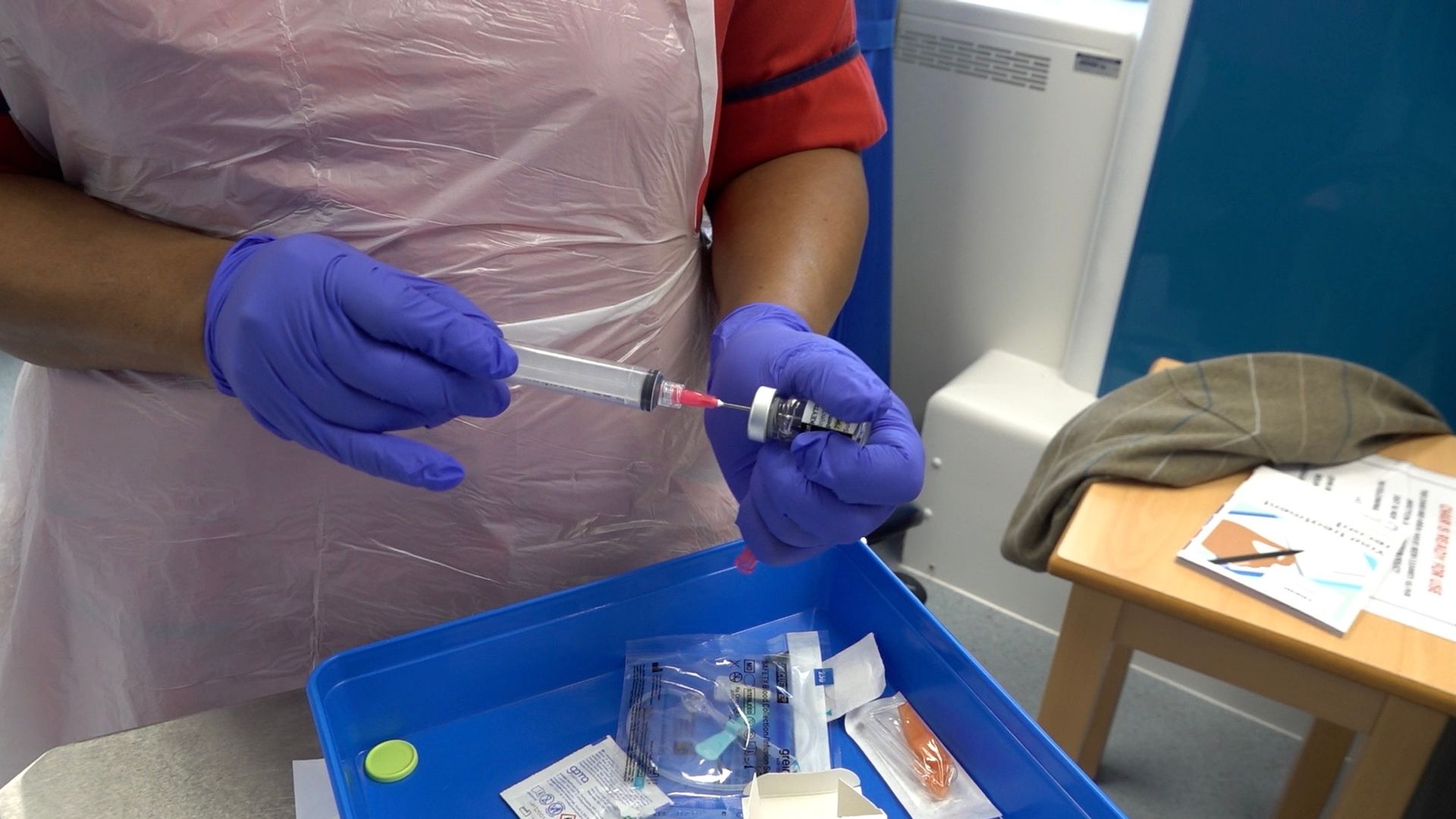
The medical press loves a speed run. When the NHS announced it would roll out a subcutaneous injection of atezolizumab—cutting treatment times from an hour-long intravenous drip down to a brisk seven minutes—the headlines practically wrote themselves. We were told this was a triumph of efficiency. A masterclass in patient throughput.
It is nothing of the sort.
The belief that slicing fifty minutes off the active administration phase of a monoclonal antibody solves the oncology crisis is a fundamental misunderstanding of clinical operations. It confuses the moment the needle touches the skin with the entire continuum of cancer care.
I have spent years analyzing clinical workflows and watching healthcare systems throw millions at surface-level speed fixes while their core infrastructure rots. The seven-minute jab is the ultimate operational placebo. It makes the institution look fast while leaving the patient trapped in the same bureaucratic bottleneck they have always been in.
The Illusion of the Seven-Minute Save
Let us look at the math the press release conveniently ignored.
Atezolizumab is an immune checkpoint inhibitor used to treat lung, breast, and bladder cancers. Under the old protocol, patients sat in an infusion chair for 30 to 60 minutes while the drug dripped into their veins. Under the new protocol, a nurse injects the subcutaneous formulation under the skin.
Seven minutes. It sounds like a revolution.
But what happens before the nurse walks into the room with that syringe?
What happens after they leave?
The time spent physically receiving a drug is the smallest variable in a patient’s day at the clinic. A typical immunotherapy visit looks like this:
- T-minus 120 minutes: The patient arrives, registers, and waits for a blood draw.
- T-minus 90 minutes: The lab processes the blood work to ensure liver enzymes and white blood cell counts are high enough to safely tolerate the treatment.
- T-minus 45 minutes: The oncologist reviews the lab results and gives the clinical go-ahead.
- T-minus 30 minutes: The hospital pharmacy receives the order, validates the dosage, and mixes the medication.
- T-minus 5 minutes: The patient is finally called into the treatment bay.
Reducing the final step from 60 minutes to seven minutes does not change the fact that the patient has already burned three hours in the waiting room. If the blood work is delayed by forty minutes because the lab is short-staffed, the time saved by the injection is instantly wiped out.
The Compounding Pharmacy Bottleneck
The real bottleneck in oncology is not the infusion chair. It is the sterile compounding unit.
Monoclonal antibodies are delicate proteins. You cannot just pull them off a shelf like aspirin. Subcutaneous atezolizumab requires precise preparation, weight-based calculations, and strict cold-chain management.
When a hospital moves from IV infusions to subcutaneous injections, the workload does not vanish. It merely shifts from the bedside nurse to the clinical pharmacist.
In many hospitals, subcutaneous formulations actually require more prep time behind the scenes. They are highly concentrated. Drawing up a high-viscosity biological agent into a syringe without introducing micro-bubbles or risking needle blockage takes meticulous care.
The pharmacy is still the single point of failure. If your hospital pharmacy has a two-hour backlog—which is standard across most major public healthcare systems—it does not matter if the nurse can deliver the drug in seven minutes or seven seconds. The patient is still sitting in a vinyl chair, staring at the ceiling, waiting for their name to be called.
The Observation Fallacy
Let us talk about patient safety.
Advocates of the quick jab argue that freeing up infusion chairs allows clinics to treat more patients per day. This assumes that once the seven-minute injection is complete, the patient gets up and leaves immediately.
That is clinically irresponsible.
When you administer an immunotherapy drug via a new route, the risk of systemic reactions, injection-site hypersensitivity, or acute cytokine release does not disappear. In fact, localized skin reactions are far more common with subcutaneous injections than with intravenous delivery.
Standard clinical guidelines dictate that patients receiving subcutaneous biologics must be monitored for a specified period after administration—frequently 30 to 60 minutes for the first few doses—to watch for adverse reactions.
What does this mean for the clinic's real-world footprint?
It means the patient is still occupying a chair. They are still taking up the time of a monitoring nurse. The chair is not "freed up" for the next person in line. The time has not been saved; it has simply been reclassified from "administration time" to "observation time" on the balance sheet.
The Perils of the Throughput Mindset
There is a dark side to treating cancer clinics like fast-food drive-thrus.
When the primary metric of success becomes throughput—how many bodies you can move through a room in an eight-hour shift—the human element of oncology is compromised.
For many cancer patients, the time spent in the infusion chair is not just dead time. It is the only time they have to speak with an advanced practice nurse about their side effects. It is when they mention the subtle fatigue, the mild skin rash, or the persistent cough that might signal a severe immune-related adverse event (irAE) like pneumonitis.
When you compress the patient-provider interaction into a seven-minute window, you strip away the opportunity for holistic assessment. A nurse pushing a syringe in a busy corridor does not have time to ask about the patient's psychological state or evaluate their home care setup.
We are trading diagnostic vigilance for a metric that looks good on an annual report.
The Solution: Real Systemic Reform
If we actually want to solve the capacity crisis in oncology, we need to stop looking for quick fixes in a syringe and start fixing the clinical infrastructure.
Decentralize Administration
Instead of forcing every patient to travel to a major tertiary care hospital for a seven-minute injection, move the administration to community health hubs or home-care nursing teams. If a treatment is genuinely fast and low-risk, there is no reason for it to occupy prime real estate in a specialist cancer center.
Fix the Diagnostics Wait
Invest in point-of-care testing units within the oncology clinic. If a patient can get their blood drawn and analyzed in fifteen minutes upon arrival, you eliminate the two-hour pre-treatment waiting period entirely. That is how you save time that matters to the patient.
Modernize Pharmacy Automation
The bottleneck in the basement pharmacy is a mechanical problem. Implementing advanced sterile compounding robotics can slash preparation times in half and reduce human error. This frees up the pharmacy to meet the demand of both IV and subcutaneous orders without creating delays.
The next time you read about a breakthrough that promises to save healthcare through speed alone, look past the needle. Look at the waiting room. That is where the real crisis lives, and no seven-minute injection is going to cure it.