The coffee grows cold on the table. Outside, the rain taps a steady, rhythmic pulse against the double-paned glass, a sound that usually brings comfort. Tonight, it brings nothing.
Tonight, the locks are checked twice. Then three times.
Security cameras blink their quiet red eyes in the dark, casting crimson geometric shapes across the living room rug. This is not a fortress. It is a suburban home in Canada. Yet, the person sitting inside—watching the shadows stretch across the hallway—lives with the persistent, crushing weight of a ghost that refuses to stay in the past.
Safety is supposed to be a geographic certainty. You cross an ocean, you board a plane, you land on a new continent, and the invisible contract of the modern nation-state signs your protection in bold ink. You are home. Or so you think.
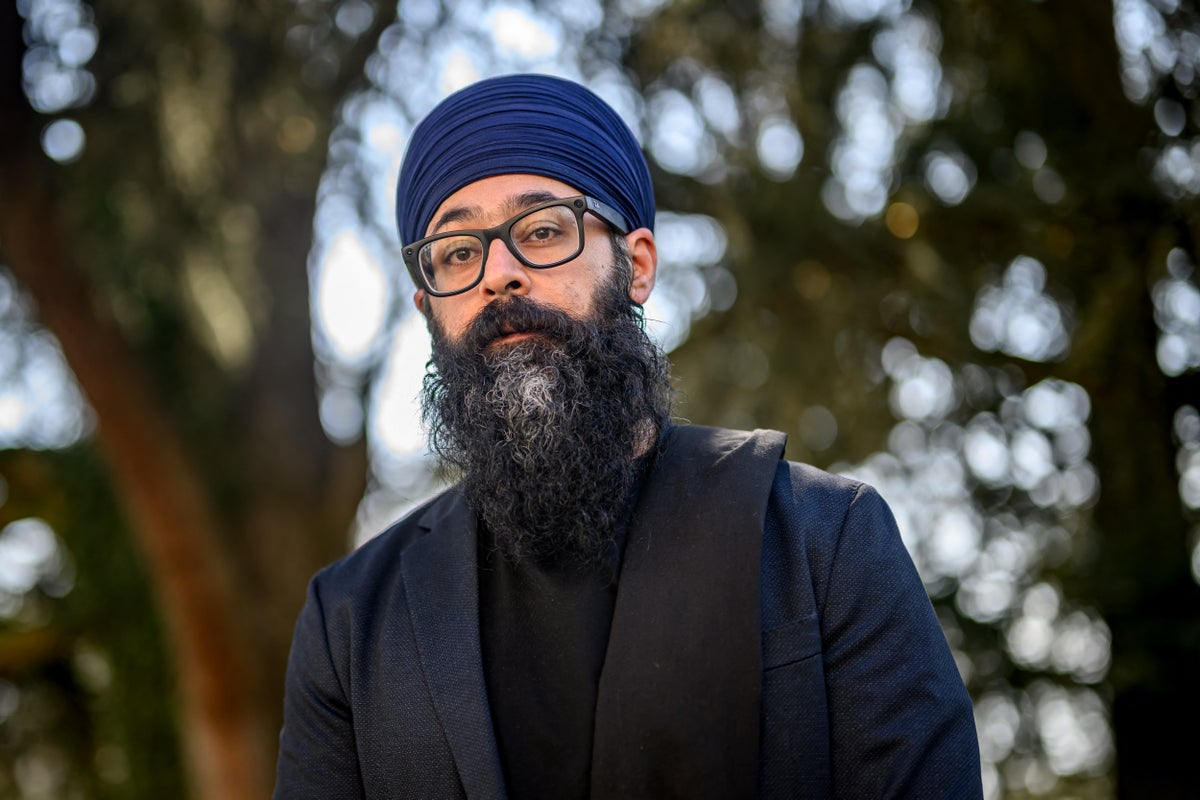
Moninder Singh knows better.
Across the globe, the architecture of intimidation has evolved. Governments no longer need to send an agent in a trench coat to knock on a door in the middle of the night. They can make your life a living friction through proxies, digital surveillance, smear campaigns, and the terrifying realization that borders are porous to power.
United Nations human rights experts recently raised an alarm regarding the threats facing Moninder Singh, a prominent Sikh activist residing in Canada. To reduce this to a dry diplomatic bulletin is to miss the entire human heartbeat of the crisis. This is not merely a bureaucratic disagreement between nations. It is a slow-motion erosion of sovereignty, a test of whether a free country can truly keep its promises to those who seek refuge within its borders.
Imagine speaking up for a community, advocating for human rights, and waking up to find that your name is floating through international intelligence reports not as a citizen exercising free speech, but as a target.
Silence.
It is the currency authoritarian regimes trade in. They want it absolute. They want it global. When an activist like Moninder Singh speaks out, they disrupt that monopoly. They prove that distance does not dilute conviction. And because distance fails to silence them, the forces of suppression must find another way to reach across the map.
Consider the mechanics of transnational repression. It is a modern hydra. When a state wishes to silence a critic abroad, it does not always resort to dramatic, headline-grabbing actions. Often, it begins as a whisper. Harassing family members left behind in the home country. Freezing assets. Deploying state-backed media to paint a portrait of a dissident as a criminal or a radical. By the time the physical threats escalate, the psychological siege has already done half the work.
The UN experts pointed to a chilling reality. When foreign governments target activists on foreign soil, they are sending a message to everyone else. The message is simple. You are never safe. Not here. Not anywhere.
This is where the abstraction of international law crashes violently into the kitchen floor.
Moninder Singh is a name, yes. But behind the name is a father, a neighbor, a person who walks down the same grocery aisles as anyone else in British Columbia, breathing the same air, worrying about the same mundane bills. The difference is that his ordinary Tuesday carries an extraordinary tax. Every public appearance requires a mental risk assessment. Every knock at the door causes a micro-second spike in adrenaline.
We talk about freedom of speech as if it were a static monument carved out of stone. It is not. It is a garden. If you do not pull the weeds of intimidation, if you do not water the soil with accountability, the whole thing withers.
When foreign states reach into Canadian territory to intimidate activists, they are trespassing on something far more valuable than physical land. They are trespassing on the fundamental premise of liberal democracy. They are asking a terrifying question: Is your government strong enough to protect you when a foreign power decides you should not exist?
History offers a stern warning for those who look away. Transnational repression does not start with assassinations or mass crackdowns. It starts with normalization. It starts when we shrug at digital surveillance, when we dismiss threats against activists as fringe diplomatic squabbles, when we decide that trade deals and political expediency matter more than the safety of a single human being walking down a street in Surrey or Toronto.
The Canadian government faces a profound test of resolve. It is easy to issue statements of concern. It is easy to summon ambassadors and express deep dismay behind polished mahogany tables. But safety cannot be measured in diplomatic memos. Safety is felt in the bones. It is felt when a man can walk to his car without scanning the rearview mirror for a license plate that doesn't belong.
The rain continues to fall outside. The digital clock on the microwave ticks toward midnight.
Moninder Singh stays awake, navigating a reality that most of us can only comprehend through fiction, except every word of it is painfully, urgently real. The stakes are invisible until they are undeniable.
And the question hanging in the quiet air of that room is one we must all answer together: What happens to a free society when it forgets how to protect the people who keep its conscience alive?

.png?itok=1mb05mKJ)

