The gravel crunches under a heavy boot, a sound that used to signal the start of a productive day on the Alberta range. Now, that same sound makes a rancher freeze. They look toward the tree line, eyes scanning for a shape that is darker than the shade, a hump of muscle that doesn't belong in a cattle pasture. It is a tension that has moved from the wilderness into the backyard.
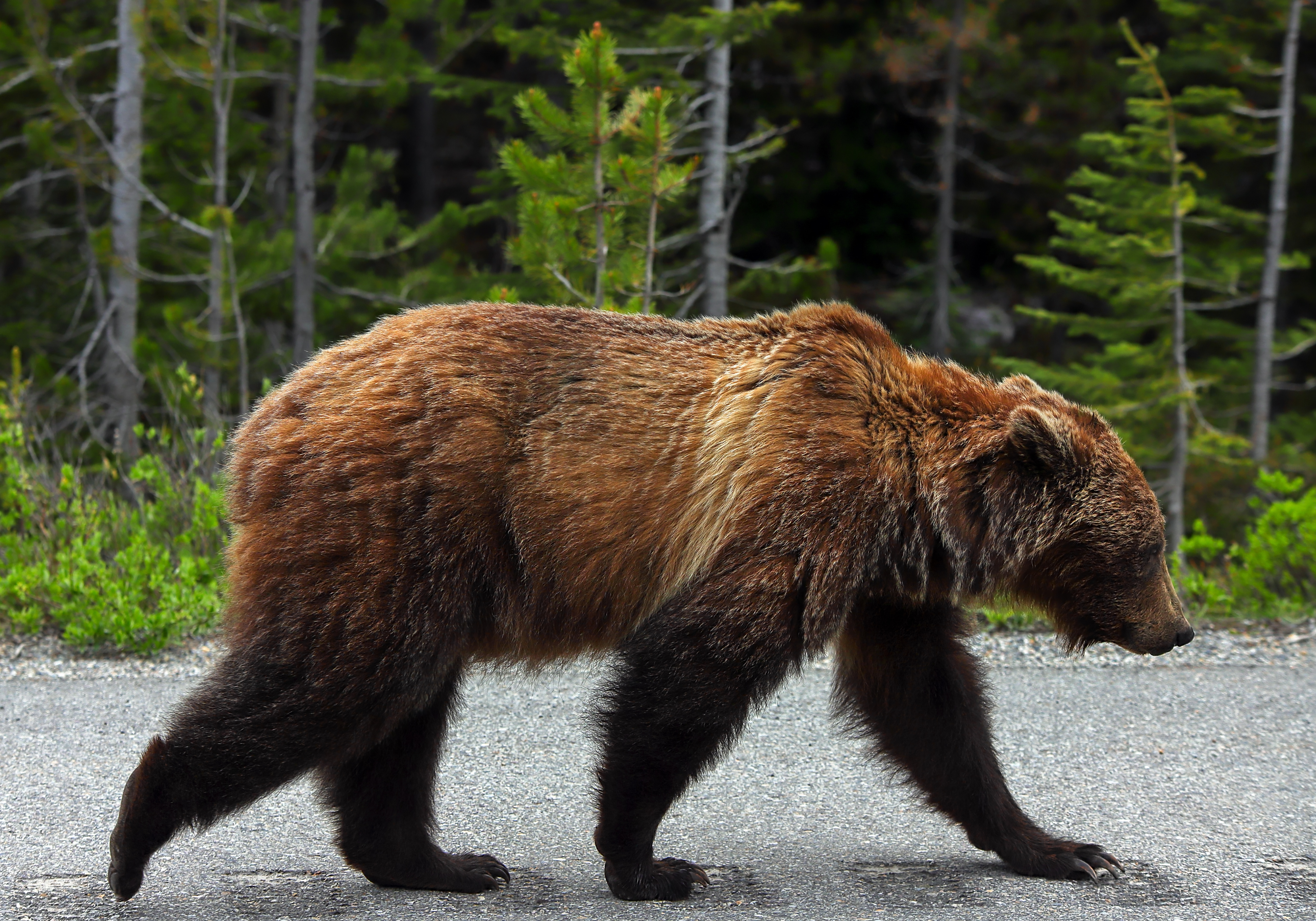
For twenty years, the grizzly bear has been a ghost of the high peaks, protected and distant. But the ghost has returned to the valley floor. It is no longer a rare sighting to be celebrated in a nature documentary; it is a three-hundred-pound reality breaking through a granary door or standing between a parent and the school bus stop. The Rural Municipalities of Alberta (RMA) are now sounding an alarm that has been building for a decade, calling for a return to the grizzly hunt and a total overhaul of how we manage the intersection of tooth, claw, and community.
Consider a hypothetical family near Pincher Creek. Let’s call them the Millers. They aren't trophy hunters or anti-wildlife activists. They are people who live by the rhythm of the seasons. Ten years ago, seeing a grizzly was a once-a-summer event. Today, they see them weekly. The bears aren't just passing through. They are habituated. They have learned that human settlements are buffet lines of easy grain, livestock, and pet food. When the Millers’ children go outside to play, the parents no longer watch from the window with a smile; they stand on the porch with bear spray and a sinking feeling in their chests.
This is the human element that cold policy papers often skip.
The Weight of Success
The grizzly bear was listed as a threatened species in Alberta in 2010. At the time, the population was estimated at roughly 700. It was a move born of necessity, a collective effort to ensure these apex predators didn't vanish from the landscape forever. We stopped the hunt. We protected the habitat. We waited.
The strategy worked. Perhaps it worked too well.
Recent surveys suggest the population has surged, with some estimates nearly doubling the numbers found fifteen years ago. In the Yellowhead region alone, the density of bears has climbed to levels that the land struggles to support without spillover. When a habitat reaches its carrying capacity, the younger, smaller bears are pushed out by the dominant alphas. They move toward the fringes. They move toward us.
The RMA isn't arguing for the eradication of a species. They are arguing for the restoration of a balance that has tipped dangerously out of alignment. Their recent resolution, passed with overwhelming support, urges the provincial government to re-establish a "limited entry" hunt. The logic is simple: if a bear learns to fear humans, it stays in the brush. If it views humans as harmless obstacles between it and a meal, tragedy becomes inevitable.
The Myth of the Gentle Giant
We have a habit of romanticizing what we do not have to live alongside. From a high-rise in Edmonton or a suburban home in Calgary, the grizzly is a symbol of pristine wilderness. It is majestic. It is a testament to conservation. But for the person whose livelihood is literally being eaten, the grizzly is a predator that has lost its natural wariness.
Property damage is soaring. Ranchers report grizzly bears killing calves not out of hunger, but seemingly out of opportunity, leaving the carcasses behind. Farmers find their grain bins peeled open like tin cans. The financial cost is significant, but the psychological cost is higher. There is a specific kind of exhaustion that comes from living in a state of constant vigilance.
The current provincial response system is, to put it bluntly, a patchwork of frustration. When a problem bear is identified, the process for relocation or "removal" is buried under layers of bureaucracy. The RMA argues that the current Wildlife Act is a relic. It was designed for a time of scarcity, not a time of overabundance and frequent conflict. They want "administrative hurdles" cleared so that when a bear becomes a threat, action is immediate.
Fear as a Conservation Tool
It sounds paradoxical to suggest that hunting can be a tool for harmony. Yet, in the logic of the wild, fear is a survival mechanism. For decades, the lack of a hunt has removed the grizzly’s only natural deterrent. Without that pressure, bears are emboldened. They find their way into campgrounds, onto porches, and into the middle of small-town main streets.
A limited, strictly regulated hunt does more than just control numbers. It reinstates a boundary. It creates a generation of bears that associate the scent of man with danger rather than dinner. This isn't about bloodlust; it is about behavioral modification on a species-wide level.
Critics will argue that we haven't given non-lethal methods enough of a chance. They point to electric fencing, bear-proof containers, and education programs. These tools are vital. They are also, in many cases, already in use and proving insufficient against a growing population that is hungry and smart. You can fence a garden, but you cannot fence an entire province.
The Invisible Stakes
What happens if we do nothing? The answer isn't a peaceful co-existence. It is a breakdown of the very conservation ethics we’ve worked to build.
When people feel abandoned by their government, they take matters into their own hands. If a rancher feels that the law values a bear’s life more than their child’s safety or their family’s business, the "shoot, shovel, and shut up" mentality returns. That is the worst-case scenario for grizzly recovery. It leads to unmanaged, unrecorded killings that provide no data and no safety.
By bringing the hunt back into a legal, transparent framework, the province regains control. They get data. They get boots on the ground. They get a management strategy that reflects the reality of 2026, not 2010.
A Different Kind of Compassion
We often mistake "hands-off" management for kindness. We think that by leaving the bears alone, we are doing them a favor. But there is no kindness in a bear being hit by a truck on a busy highway because it wandered too far from the mountains. There is no kindness in a bear being destroyed by a conservation officer because it finally attacked a human after weeks of "minor" encounters that went unaddressed.
True stewardship requires the courage to intervene. It requires acknowledging that the landscape has changed. Alberta is not the empty wilderness it was a century ago. It is a shared space.
The RMA’s push is a plea for the human element to be weighed equally with the environmental one. They are asking for the right to feel safe in their own yards. They are asking for a policy that recognizes that a "threatened" status should not be a permanent shield for a population that is now thriving and expanding.
The sun sets over the foothills, casting long, distorted shadows across the hayfields. Somewhere in the brush, a sow and two cubs are moving. They are beautiful. They are powerful. They are also closer to the farmhouse than they were last night.
The question isn't whether we want grizzlies in Alberta. We do. The question is whether we are willing to manage them with enough rigor to ensure that the next time a rancher hears gravel crunching in the dark, they don't have to wonder if it's the last thing they’ll ever hear.
Nature is not a museum. It is a living, breathing, and sometimes violent negotiation. It is time we started negotiating again.