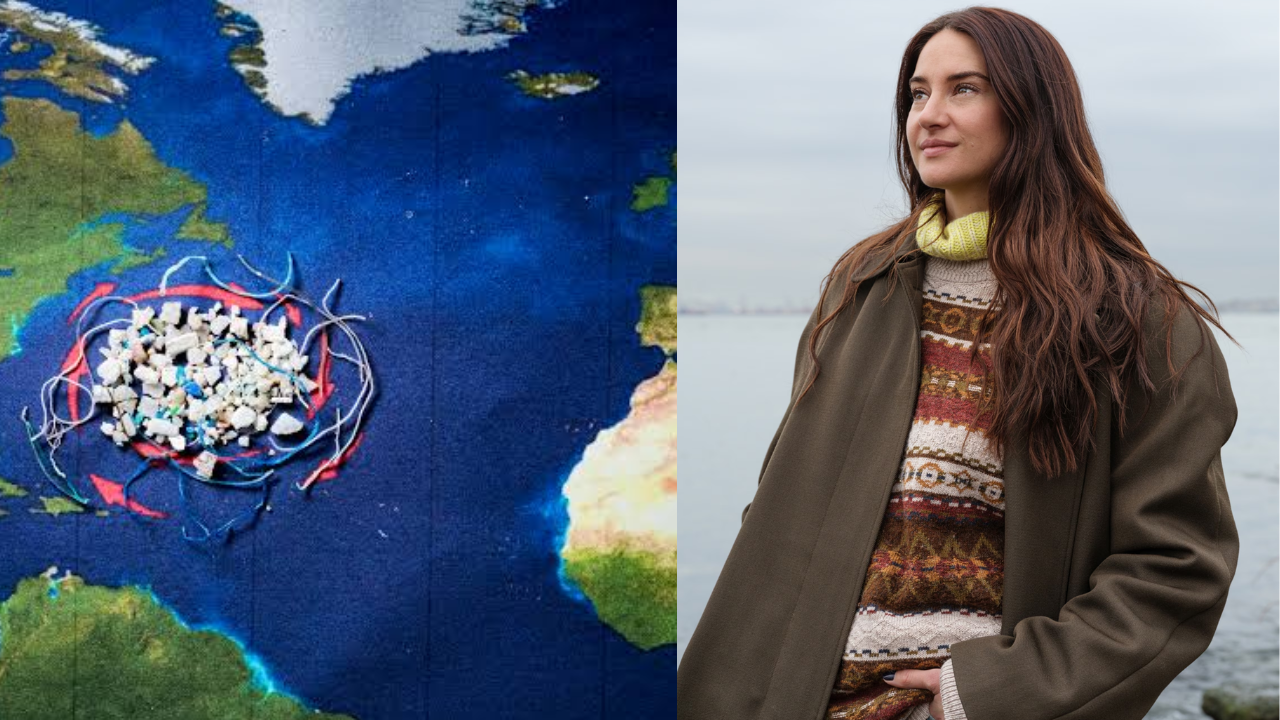
You picture a pristine ocean when you think of the open sea. Blue water stretching endlessly, maybe a dolphin breaching, absolute wilderness. Reality is messier. When actress and activist Shailene Woodley boarded a Greenpeace vessel heading deep into the Atlantic, she didn't find untouched paradise. She found a synthetic soup.
The destination was the Sargasso Sea. It's a strange, isolated region defined not by land boundaries, but by circulating ocean currents known as gyres. These rotating currents trap floating debris, turning a remote marine ecosystem into a catch-all basin for global waste. Woodley wasn't there for a photo opportunity. She worked as an assistant researcher, hauling nets and cataloging the invisible pollution choking the water.
What Happens When the Ocean Eats Plastic
We talk about plastic pollution like it is a trash bag floating on the surface. That is the easy part to spot. The real crisis is what happens after the sun and waves break that plastic down. It shatters into microplastics—tiny fragments smaller than a pencil eraser.
During expeditions like the one Woodley joined with researchers from the University of Florida, scientific trawls scoop up shocking numbers. In single net samples pulled from areas miles away from any coastline, scientists counted well over a thousand individual pieces of microplastic.
These aren't just sitting there. Sargasso is famous for its dense mats of floating Sargassum seaweed. This seaweed acts as a nursery for baby turtles, fish, and eels. It is meant to be a sanctuary. Instead, it shares space with colorful confetti-like fragments of degraded bottles, nylon fishing gear, and packaging material. Marine life eats the plastic. The plastic absorbs heavy metals and toxic chemicals from the surrounding water. Then, the cycle moves up the food chain.
Why the Sargasso Sea Matters to Everyone
You might live thousands of miles inland and think oceanic gyres have zero bearing on your daily routine. You are wrong.
The ocean runs the planetary machine. The Sargasso Sea is unique because it has no shores. It is bounded entirely by ocean currents: the Gulf Stream to the west, the North Atlantic Current to the north, the Canary Current to the east, and the North Equatorial Current to the south. Because of this circular trap, whatever enters the North Atlantic eventually finds its way here.
When microplastics accumulate in these ecosystems, they alter the biological pump that draws carbon down from the atmosphere. Tiny organisms called zooplankton consume microplastics instead of their natural food sources. When they eat plastic, they eat less algae. When they eat less algae, less carbon gets sequestered into the deep ocean. Pollution in a remote sea quietly disrupts global climate stability.
Moving Beyond Performative Activism
Celebrity involvement in environmental causes usually draws cynicism. People assume it is a quick way to grab headlines and move on. Woodley pushes back against that narrative by actually doing the grunt work. Hauling manta trawls, sorting microscopic debris in cramped ship laboratories, and sleeping in tight quarters on the Greenpeace ship Esperanza requires real stamina.
The value of high-profile participation isn't the star power itself. It is the spotlight it forces onto overlooked environmental treaties. Expeditions like this one serve a tactical purpose: gathering hard data to pressure the United Nations into passing binding global ocean treaties. Without concrete samples from places like the Sargasso, international policy debates stay abstract. With the data, politicians can no longer pretend the high seas are too vast to fail.
What You Can Do Right Now
Fixing an ocean gyre feels impossible. You cannot go out there with a pool net and clean up the North Atlantic. Change has to happen upstream, long before plastic ever reaches a coastal current.
Cut down on single-use synthetic textiles. Every time you wash clothes made of polyester, nylon, or acrylic, thousands of microfibers shed down your drain, bypass water treatment plants, and head straight for the sea. Switch to natural fibers like cotton, linen, hemp, and wool when you can. Install an external microfiber filter on your washing machine if you already own synthetic garments.
Support rigorous marine protection policies. Pay attention to international biodiversity pacts. Real conservation isn't about skipping a plastic straw at a restaurant. It is about restructuring industrial manufacturing and holding corporations accountable for the lifecycle of their materials. Stop waiting for someone else to clean up the mess.