Sheikh Hasina wants to fly back to Dhaka on December 16, 2026, knowing full well a death sentence hangs over her head. Honestly, that alone should make anyone tracking South Asian politics nervous.
She fled to India in August 2024 after student-led protests toppled her 15-year rule. Since then, she has watched her Awami League get banned, seen a court sentence her to death in absentia in November 2025, and watched Tarique Rahman's Bangladesh Nationalist Party win the February 2026 general election. Now her camp is pushing for a return on Victory Day—the anniversary of Bangladesh's 1971 independence—on a state aircraft.
If you look closely at Sheikh Hasina's plan for return to Bangladesh, it doesn't look like a calm homecoming. It looks like a powder keg.
Why Sheikh Hasina's Plan for Return to Bangladesh Hits a Legal Wall
Hasina's spokesperson, Syed Mozammel Ali, asked Dhaka to arrange a flight from Delhi to Dhaka because a Bangladeshi plane carried her into exile in August 2024. To her supporters, that's a matter of constitutional dignity and personal fate. To officials in Dhaka, it's absurd.
In November 2025, Bangladesh's International Crimes Tribunal convicted Hasina in absentia on charges tied to the deadly 2024 crackdown, where the United Nations estimates up to 1,400 people were killed. Chief prosecutor Aminul Islam called it "ridiculous" for a convicted fugitive to ask the state to organize her arrival. Senior minister Humaiun Kobir put it even more bluntly: any return would happen through extradition, in handcuffs, under strict surveillance.
Here is the catch nobody in her camp has an easy answer for:
- She missed the deadline to appeal her conviction, leaving very narrow legal room if she lands.
- Dhaka wants formal extradition from New Delhi, while India has said it is examining the request and engaging with the new government.
- A voluntary flight requested by a banned party's ousted leader clashes head-on with an active arrest and execution order.
I've watched political comebacks in South Asia before, and grand symbolic dates rarely calm angry crowds on the ground. Usually, they give rival factions an excuse to test each other's strength.
Street Clashes Are Already Heating Up Before December 16
You don't have to guess whether tensions are rising. They're already playing out on the streets.
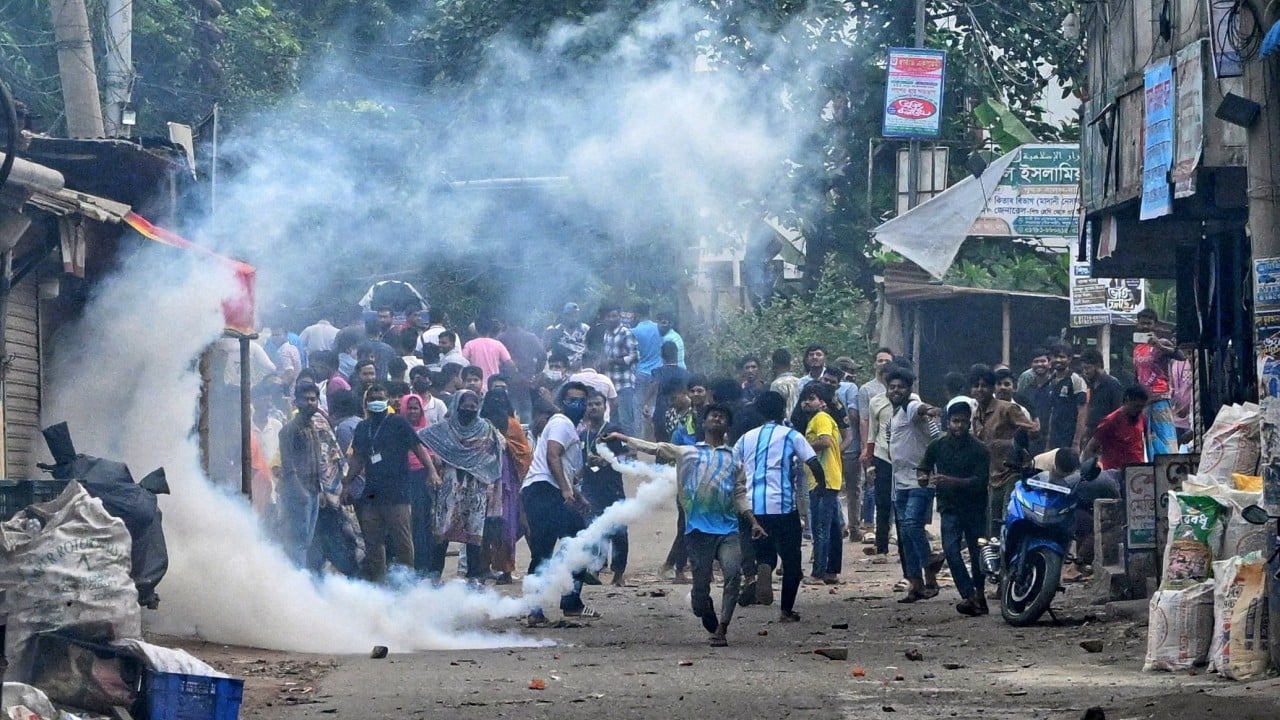
In November 2026, clashes and arson attacks flared across multiple areas, including Gopalganj—Hasina's ancestral district—along with Dhaka, Sylhet, Rajshahi, and Chittagong. Reports point to petrol bombs, attacks on officials' homes, and dozens of arrests in the capital within a single day.
Why does a single planned trip trigger so much heat? Because both sides read the stakes as total survival.
Awami League activists who have spent months lying low or facing arrests see Hasina's pledge as a rallying cry. Meanwhile, BNP officials and groups that fought against her rule view any organized push from her camp as an attempt to destabilize a fragile post-uprising order. Border Guard Bangladesh has already stayed on alert along the porous land border with India to stop unauthorized crossings.
What People Get Wrong About the Post-Hasina Political Map
Plenty of outside observers still treat Bangladeshi politics as a simple tug-of-war between Hasina's Awami League and the BNP. That framing is outdated.
After Muhammad Yunus led an interim administration following the 2024 uprising, the February 2026 election reshaped parliament across roughly 127.7 million registered voters. Tarique Rahman's BNP took power, while Bangladesh Jamaat-e-Islami returned to the political arena as the main opposition. Younger voters—often described as a Gen Z-driven force—also pushed issues like jobs, corruption, and institutional reform to the center of public life.
That means Hasina isn't walking back into the political system she dominated for fifteen years. Even her own supporters face a transformed state apparatus, a banned party label, and deep public anger over the 2024 killings.
At the same time, writing off her loyalists completely would be a mistake. Millions of people once voted for her party, and pockets of fierce loyalty still exist in strongholds like Gopalganj. A movement doesn't vanish overnight just because its leaders are in exile or hiding.
The India Factor Complicates Every Move
New Delhi sits in an uncomfortable spot. India hosted Hasina after August 2024, which strained public sentiment in parts of Bangladesh while keeping bilateral ties delicate.
If India blocks her departure or pushes for quiet arrangements, Dhaka's hardliners may still suspect interference. If she boards a plane from Delhi without a clear bilateral understanding, diplomatic friction between two neighbors that share deep trade, river, and security ties could spike fast.
Neither capital has announced a firm travel plan or clear arrival protocol. Until India and Bangladesh clarify how extradition and border security will work, talk of a December 16 arrival remains high-stakes brinkmanship.
Practical Steps for Tracking the Situation Safely and Accurately
If you're following events in Bangladesh for business, travel, research, or family reasons, rely on verified reporting rather than social media rumors:
- Check live travel and security advisories from official foreign ministries and airline operators before booking flights or moving around Dhaka and regional hubs.
- Verify protest reports across multiple outlets such as Reuters, BBC News, and The Guardian, especially during holidays and planned protest calls.
- Avoid flashpoints and large gatherings in districts seeing active clashes or security sweeps, and keep extra buffer time for road closures and border checks.
- Watch official statements from Dhaka and New Delhi on extradition talks and aviation permissions to see whether December 16 is an actual flight plan or a political pressure tactic.


