Equity markets have spent months chasing a mirage in the global maritime sector, bidding up maritime equities to valuations unseen since the commodity supercycle of the late 2000s. Behind the ticker symbols and the cheerful quarterly dividend announcements lies a starkly different reality of structural imbalance, geopolitical friction, and an oncoming supply cliff that Wall Street models consistently refuse to price accurately.
The primary catalyst for this historic equity run is not organic economic expansion, but rather artificial geographic distortion. When security risks forced carriers to abandon the Suez Canal and detour around the Cape of Good Hope, maritime geography was instantly rewritten. Longer routes absorb vessel capacity, driving up freight rates and inflating spot earnings for dry bulk and tanker operators. Day rates for Capesize bulkers surged past forty thousand dollars, and secondhand vessel valuations hit eighteen-year highs. Investors looked at these windfall cash flows and assumed a permanent structural shift. They were wrong.
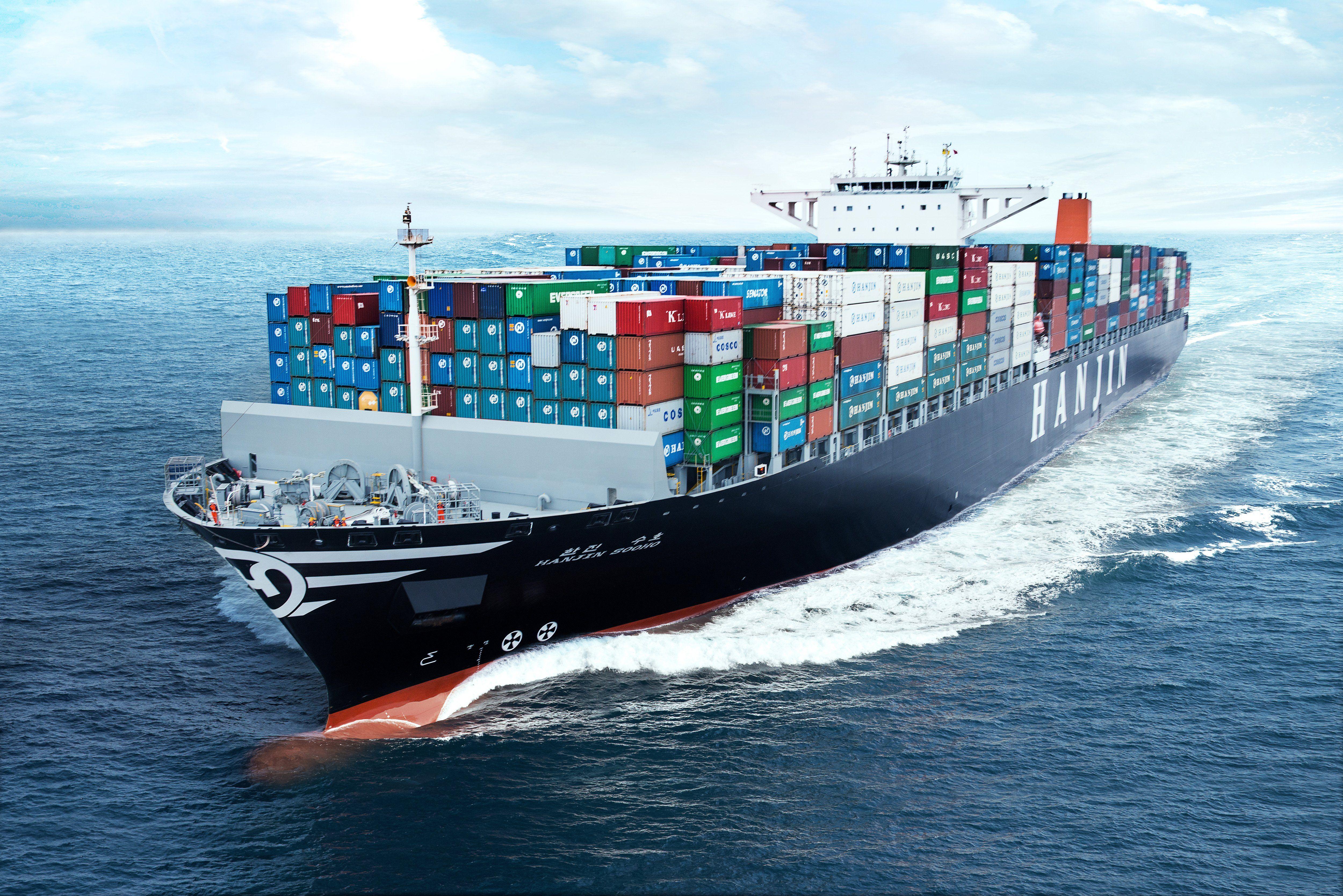
Beneath the surface metrics, maritime sub-sectors are experiencing entirely divergent realities. While dry bulk enjoys a temporary cushion from Chinese raw material demand and structural bauxite trade out of Guinea, the container segment is hurtling toward a massive correction. The orderbook-to-fleet ratio for boxships is approaching forty percent. An armada of newbuild tonnage, funded by pandemic-era windfalls, is steadily sliding down shipyard slips.
Consider a hypothetical mid-sized container carrier operating transpacific loops. When transit times stretch due to security diversions, the immediate math looks brilliant because more ships are required to move the same amount of cargo. Yet, once those massive newbuild orders hit the water en masse, net fleet growth will vastly outpace any realistic projections for cargo demand. When diversion inefficiencies normalize, the market will find itself drowning in superfluous iron.
Financial analysts cheering for maritime equities frequently ignore the impending balance sheet reckoning driven by capital expenditures. Major lines pocketed historic billions during the pandemic years, using that liquidity to clean up balance sheets and place speculative orders for dual-fuel, low-emission vessels. These capital commitments guarantee that operational costs will remain elevated long after spot freight rates pull back.
Asset longevity creates another layer of systemic risk. Historically, when freight markets softened, operators rushed to scrap older, inefficient tonnage to force supply contraction and stabilize pricing. Today, carriers are holding onto vintage ships because their cash reserves insulate them from immediate bankruptcy pressure. The recycling yards are empty. Without scrapping, supply reduction mechanisms fail entirely during a downturn.
Regulatory mandates add yet another unpredictable variable to the income statements of publicly traded shipping firms. Compliance frameworks aimed at carbon intensity reduction require operational compromises, including mandatory slow steaming. While reduced speeds artificially suppress active fleet capacity, they also increase fuel consumption inefficiencies per voyage depending on bunker pricing volatility.
Trade policy introduces further volatility. Shifting tariff regimes and regional manufacturing shifts mean that traditional ton-mile calculations can invert overnight. When importing nations alter sourcing corridors to mitigate geopolitical exposure, maritime transit routes shift unpredictably. An equity valuation built on long-haul stability collapses the moment a trade agreement gets rewritten or a chokepoint reopens.
The current equity surge offers a clear window for institutional profit-taking disguised as an ongoing structural renaissance. Retail participants entering the sector based on trailing dividend yields are buying at the absolute peak of a supply-chain disruption cycle.
Maritime transport remains the physical backbone of global commerce, but a functional economic asset does not automatically equate to a sound equity investment. When the current capacity overhang catches up with freight rate realities, the correction will be swift, punishing, and entirely unforgiving to those who confused a temporary geographic detour with permanent economic growth.